WASHINGTON (AP) — A disruption in reimbursements for disaster relief costs, delays in cybersecurity response and training, and the risk of missed paychecks for Transportation Security Administration personnel are potential ramifications of a looming funding lapse at the Department of Homeland Security (DHS), according to officials who testified before the House panel on Wednesday.
Congress has currently approved funding for the majority of the federal government, but only passed a short-term funding extension for DHS that expires this Friday. Tensions have heightened following the tragic killings of citizens in Minneapolis, prompting Democrats to demand immigration enforcement reforms as a prerequisite for further funding for the department.
Bipartisan discussions are underway, though they face challenges due to differing priorities. A White House official expressed optimism, sharing that constructive talks are ongoing to ensure government operations remain funded and effective.
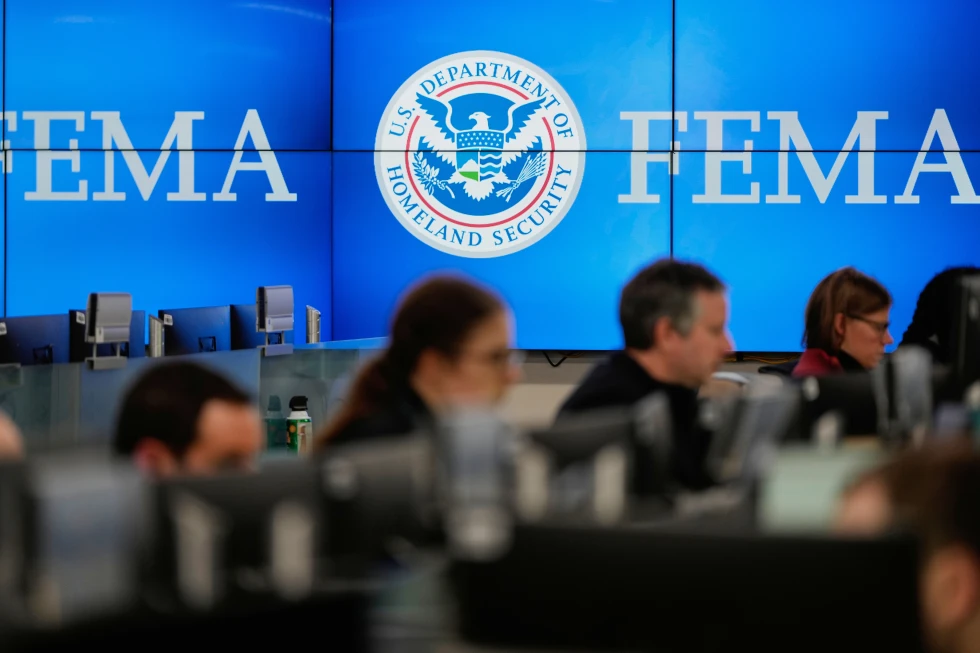
Republicans argue that a shutdown would not impact critical operations like ICE but would adversely affect the TSA, Secret Service, Coast Guard, and Federal Emergency Management Agency. During the hearing, officials from these agencies highlighted the adverse effects a shutdown could have on personnel and overall morale.
Congressional leaders are working to find common ground on funding, with Rep. Henry Cuellar emphasizing the need for laws that align effective immigration enforcement with respect for human life. He acknowledged that progress was being made before the recent incidents disrupted conversations.
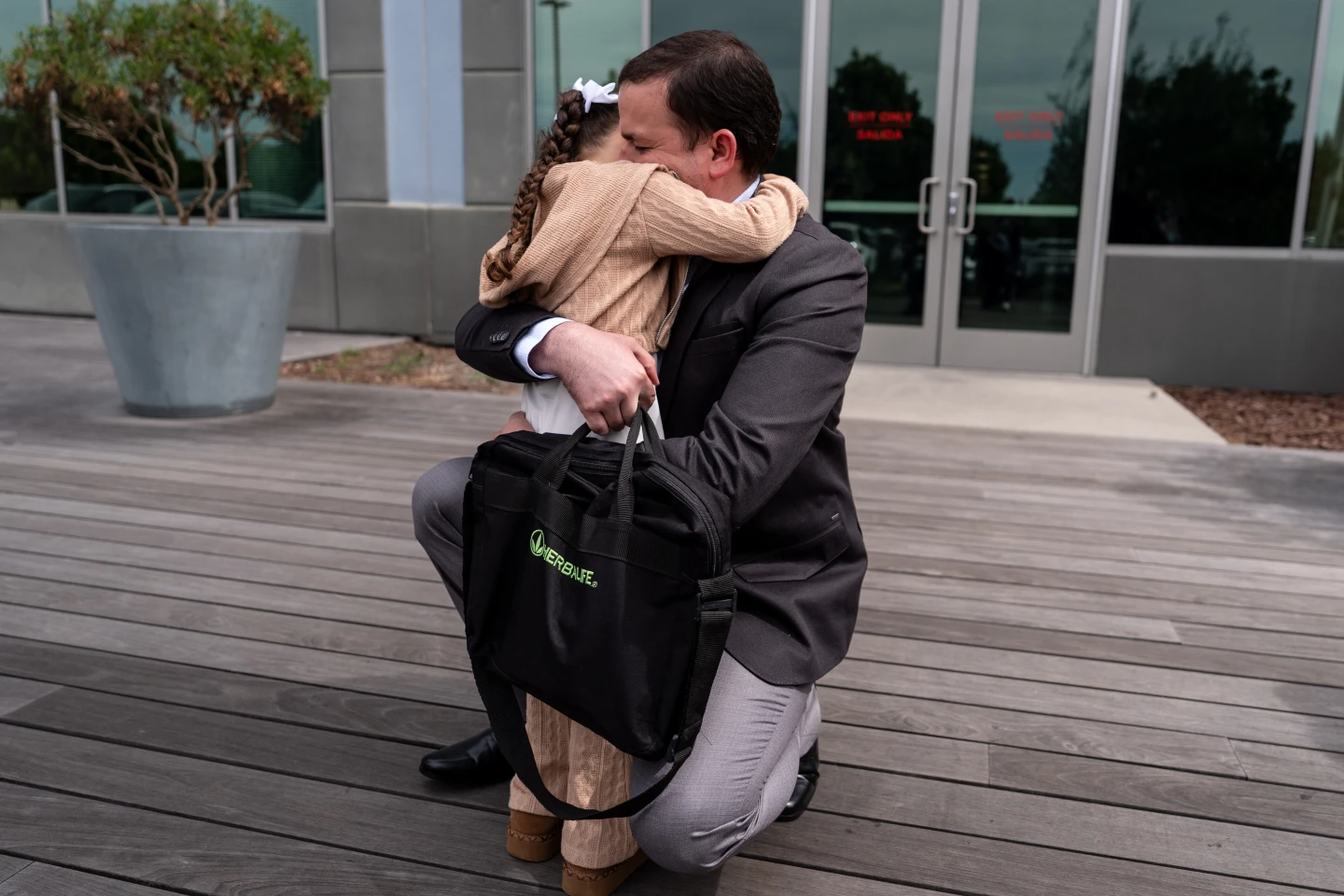
A significant number of DHS employees would continue working during a shutdown; however, they would do so without compensation, with many still recovering from the previous lengthy shutdown last fall.
Experts warn that cybersecurity operations would also likely suffer, hampering timely guidance and support for partners fighting against cyber threats. As stated by Madhu Gottumukkala, the acting director of cybersecurity, When the government shuts down, cyber threats do not.
In closing, the funding crisis presents not only immediate threats to federal employees and their families but also long-term implications for public safety and emergency preparedness that could impact communities nationwide.