In brief
The U.S. State Department has issued cease and desist orders to many public libraries across the nation, halting their ability to process passport applications. This unexpected move impacts approximately 1,400 libraries, disrupting a service essential for many families, especially in rural areas. Congress members are urging a reconsideration of the policy, which they believe will significantly affect access to passport services as demand surges.
NORWICH, Conn. (AP) — The U.S. State Department has ordered public libraries nationwide to stop processing passport applications, disrupting a service that has become integral to many communities. The decisions were made in late fall, affecting not-for-profit libraries, which were informed they would no longer participate in the Passport Acceptance Facility program.
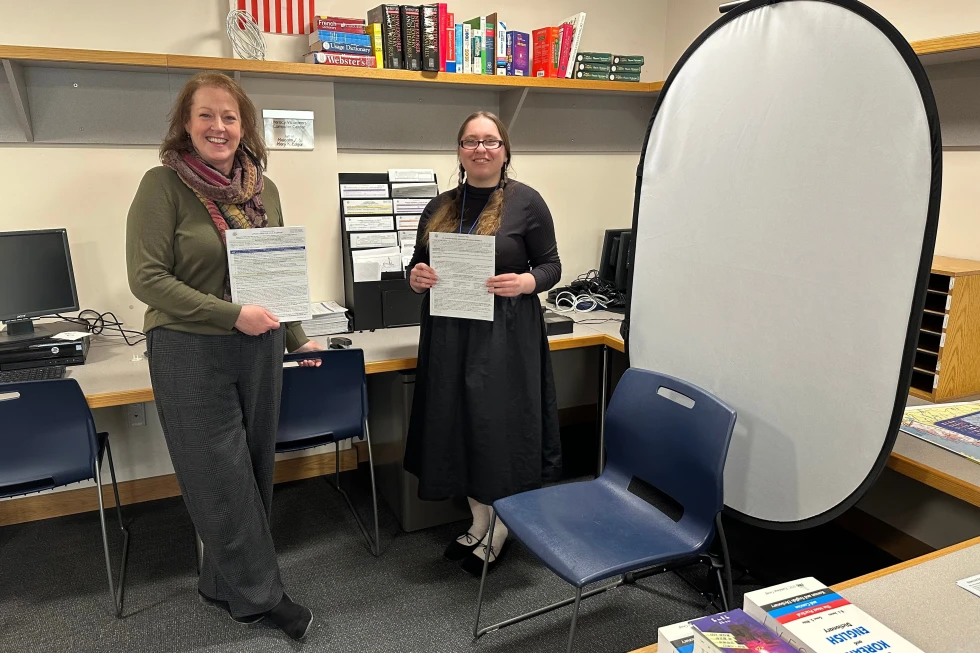
Cathleen Special, the executive director of the Otis Library in Norwich, Connecticut—where passport services were rendered for 18 years—expressed dismay at the service's cessation. Our community was so used to us offering this, she remarked, highlighting the demand for passport services that continues to emerge.
A spokesperson for the State Department explained that the prohibition arises from federal laws that restrict non-governmental organizations from collecting and retaining fees associated with passport applications. Notably, government-run libraries are exempt from this directive.
Congress is responding to the State Department's action, with bipartisan letters sent to Secretary of State Marco Rubio urging for a temporary extension of the program while seeking a permanent solution. The letter emphasized that libraries are often the most accessible facilities for obtaining passports, especially for working families and those in rural settings.
As estimated by the American Library Association, the change could potentially impact around 1,400 libraries across the country, approximately 15% of the public libraries, which may jeopardize financial sustenance for some as passport processing fees contribute to their budgets.
Legislators have raised concerns over the difficulty this change poses for many citizens who already face barriers when accessing government services. In rural areas, like Perry County, Pennsylvania, only one library offered passport services, which will now leave residents with fewer options and increased travel burdens to far-off processing sites.
The State Department claims that most citizens live within a reasonable distance of a passport processing center, yet community leaders argue this doesn’t account for varied local access and specific needs. Alternatives are now being sought in response to this significant reduction in community services.