In brief
South Africa faces a brutal wave of anti‑migrant demonstrations as the government sets a June 30 deadline for undocumented migrants to leave. In Durban, women like Esnat Joseph’ve fled homes after men armed with machetes demanded they depart, and thousands—mostly from Malawi—have gathered in a field seeking repatriation. While activists cite unemployment and resource scarcity as motives, the protests risk reigniting past xenophobic violence. The government warns of a crackdown, but its operations, including bulldozing informal shops, illustrate a high‑stakes showdown over citizenship and safety. The crisis captures a nation grappling with its identity and the rights of millions without official status.
No longer a quiet corridor for migrants, Durban’s streets have become the stage for a deadly demand to leave by the end of June.
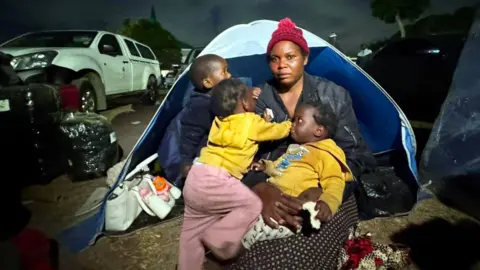
On the threshold of a 30‑June deadline, a group of 10 men armed with machetes and whips stormed the home of Esnat Joseph, a 36‑year‑old Malawian who had been working as a domestic servant and had given birth to triplets years ago. The men told her: “You must leave. We do not want you people here any longer.” As a result, she fled into an open field where up to 7,000 foreign nationals—predominantly Malawians—are assembling with their belongings and hopeful petitions to the Malawian embassy for repatriation buses.
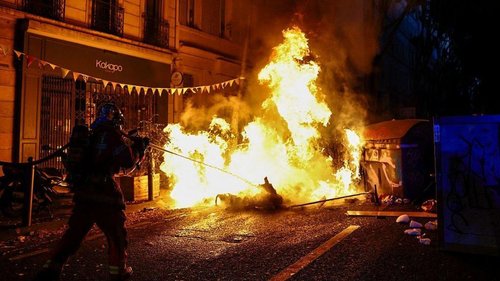
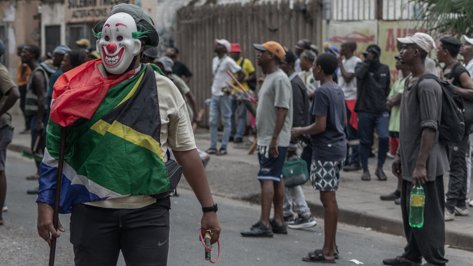
In the streets of Durban, protesters, led by the group March & March along with ActionSA, chant Mabahambe (“They must go”) while carrying sticks, demanding that all undocumented migrants depart peacefully, citing the country’s high youth unemployment and widening inequality. The government’s Operation New Broom is already demolishing informal shops in Johannesburg, targeting areas deemed “hot spots” for illegal migrants.
Opposition to the march’s tactics is mixed. While MK, a major political party, denounces violence and urges calm, the majority of protesters press for stringent enforcement. President Cyril Ramaphosa has warned that the nation must not scapegoat vulnerable people and has announced that new measures will carry jail terms for employers exploiting undocumented workers.
For many of the migrants, the political climate is palpable fear. A Burundian woman with four children, confiding in the BBC, said she “is very afraid for her life” and that children are insulted even at schools. U.S.‑style calls for secure borders and anti‑xenophobia campaigns clash with stories of long‑standing, legitimate legal status claims—like that of a Burundian recognized refugee—highlighting the moral dilemma of forced repatriation.
Locally, protests continue to expand. The field in Durban was high‑energy when buses arrived that Sunday; as passengers boarded, chants spanned from “Siyahamba” (“We’re leaving”) to protests demanding that South Africa satisfy its own citizens first. While the new legal vacuum looms, the rush to evacuate risks a pattern of violence that once killed 62 people in 2008 and has re‑emerged every five years since.
As the 30‑June cut‑off approaches, the country faces a question that stretches beyond borders: can the South African leadership accommodate a modern, diverse society while re‑applying strict immigration laws? The answer is yet to be determined, but the sight of grenades of fear on every corner tells a story of an unsettled future.