In brief
South Africa is under pressure as protest groups set a June 30 deadline for undocumented migrants to leave. Thousands of refugees, especially from Malawi, gather in Durban while being threatened by armed men. The government’s new migration plan and "Operation New Broom"—describing demolition of informal shops—has intensified fears of persecution. President Ramaphosa warns against scapegoating the vulnerable, while politicians and activist groups argue for stricter enforcement. The situation risks reigniting the country’s violent xenophobic history.
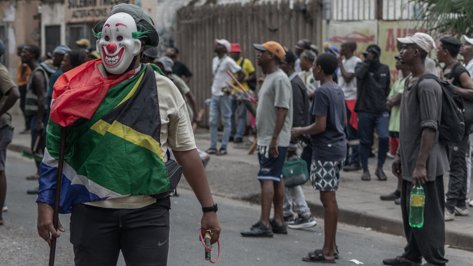
South Africa is confronting an escalating crisis of migration and xenophobia, as anti‑migrant groups have set a June 30 deadline for undocumented foreigners to leave the country.
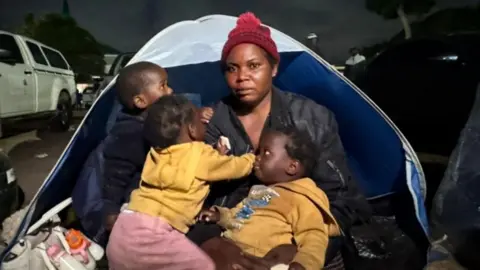
The deadline, announced by the protest movement March and March and other opposition parties, has prompted a surge of fear among migrants. 7,000 people, largely Malawian, have gathered in an open field near Durban’s informal settlement, where aid groups hand out blankets and food while families wait for repatriation buses.
The voices of migrants dominate the story. 36‑year‑old Esnat Joseph, of Malawi, recounts an attack by a gang of armed South Africans who threatened to drive her family out of their home, while her husband was left wounded. Other stories include a Burundian mother who, despite holding refugee status, feels chased away and a Ghanaian man who was harassed by protesters who demanded he leave South Africa.
Tensions rise further because many migrants lack clear legal status; most have lost passports or feared re‑entry to their home countries. The South African government, under President Ramaphosa, has responded with a five‑point migration strategy. This includes refusing asylum claims from those who have transited through safe states, setting quotas for naturalisation and extending digital IDs to non‑citizens. It also re‑emphasises the crackdown on low‑pay employers who hire undocumented workers.
The new crackdown is being executed through Operation New Broom, which has already seen bulldozers demolishing informal corrugated‑iron shops in Johannesburg. 40,000 migrants were arrested this year for violating the Immigration Act, according to the ministerial task team.
Still, the movement’s messages of “They must leave” and “We must not be a refuge for failed states” echo in the streets, echoing the country’s history of xenophobic violence in 2008, 2015, 2016 and 2019. Politicians like Herman Mashaba and activists from the Movement for Justice claim that the migrants are the root cause of South Africa’s economic woes, though human‑rights advocates counter that blaming migration is a political lie.
Meanwhile, migrant families feel a real sense of danger. A Malawian beauty therapist in Cape Town described a scary Uber ride where the driver demanded she reveal her papers. A mother in Johannesburg who ran a hair salon yesterday told the BBC she was closing her business because of threats.
In the final months of the deadline, some migrants that had been sent home are slowly boarding buses, but tension remains high as remaining refugees look to escape. Protest chants “Siyahamba”—we’re leaving—ring out across Durban, while the government declares that “no one can be a target of xenophobia” in the coming weeks.
The rising urgency for migrants, combined with political pressure ahead of the national local elections, makes it clear South Africa’s debate over migration will continue to dominate headlines for months to come.