In brief
Albatrosses in South Africa are threatened by fishing practices that lead to high rates of bycatch. Conservationists like BirdLife South Africa are implementing bird-scaring lines to protect these seabirds while also engaging local communities, including disabled workers, to aid in these efforts. Their success could set the standard for global measures aimed at preserving albatross populations.
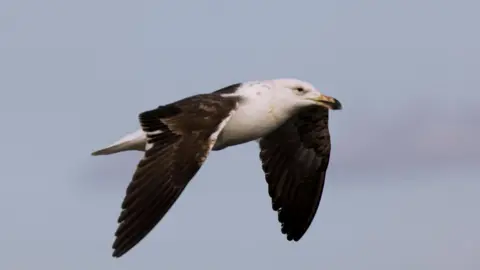
On a small boat in the Atlantic, about 27 nautical miles from South Africa's Cape Point, bird watchers call out the names of seabirds, including the endangered black-browed albatross. This tour, operated by Cape Town Pelagics, aims to spot these rare birds which are increasingly hard to find on the mainland.
As they approach a fishing trawler, dozens of seabirds emerge, drawn by the fishermen's discarded fish heads and guts. However, this behavior comes with deadly risks; albatrosses, attracted to the fishing lines set out by boats, often get caught and drowned.
Tim Appleton, a conservationist, describes the methods that inadvertently lead to the deaths of these birds. The commercial practice of long-line fishing, using lines that can stretch up to 100 kilometers with thousands of baited hooks, poses serious threats. Many seabirds die as they get entangled in these lines, representing a growing concern for their population, with 15 of the 22 albatross species globally threatened by fishing activity.
Andrea Angel, from BirdLife South Africa, has been leading efforts to mitigate these dangers through the Albatross Task Force, which has dramatically reduced deaths by implementing bird-scaring devices on fishing vessels. These 'Tori lines'—named after a Japanese fisherman who aimed to protect seabirds—consist of colorful plastic streamers that flutter in the wind, deterring birds from the hazardous areas.
The initiative also supports local communities, partnering with an association of disabled workers, providing them a productive role in creating these bird-scaring lines. This not only fosters a sense of accomplishment among local people, but also contributes towards the conservation of South Africa’s fragile marine ecosystem.
Since 2004, the Albatross Task Force has achieved a remarkable reduction in seabird fatalities, and hopes to replicate this success globally. As the narrative unfolds, the focus is shifting to sustainable fishing practices that can coexist harmoniously with wildlife preservation.