Reporter Michael Graczyk has watched almost 500 executions in Texas, a career that still reverberates in his mind. While he has seen needles pop out before reinsertion—consequences of difficult IV placements—he has never witnessed an inmate survive the lethal injection procedure.
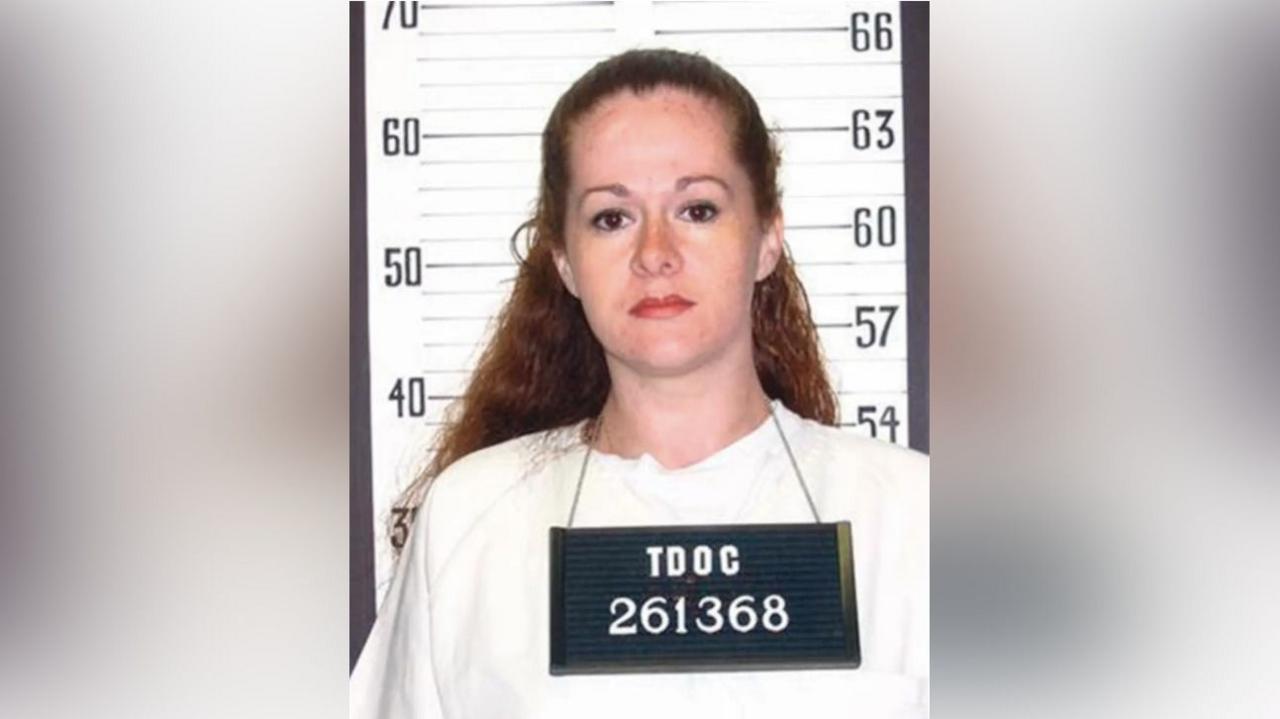
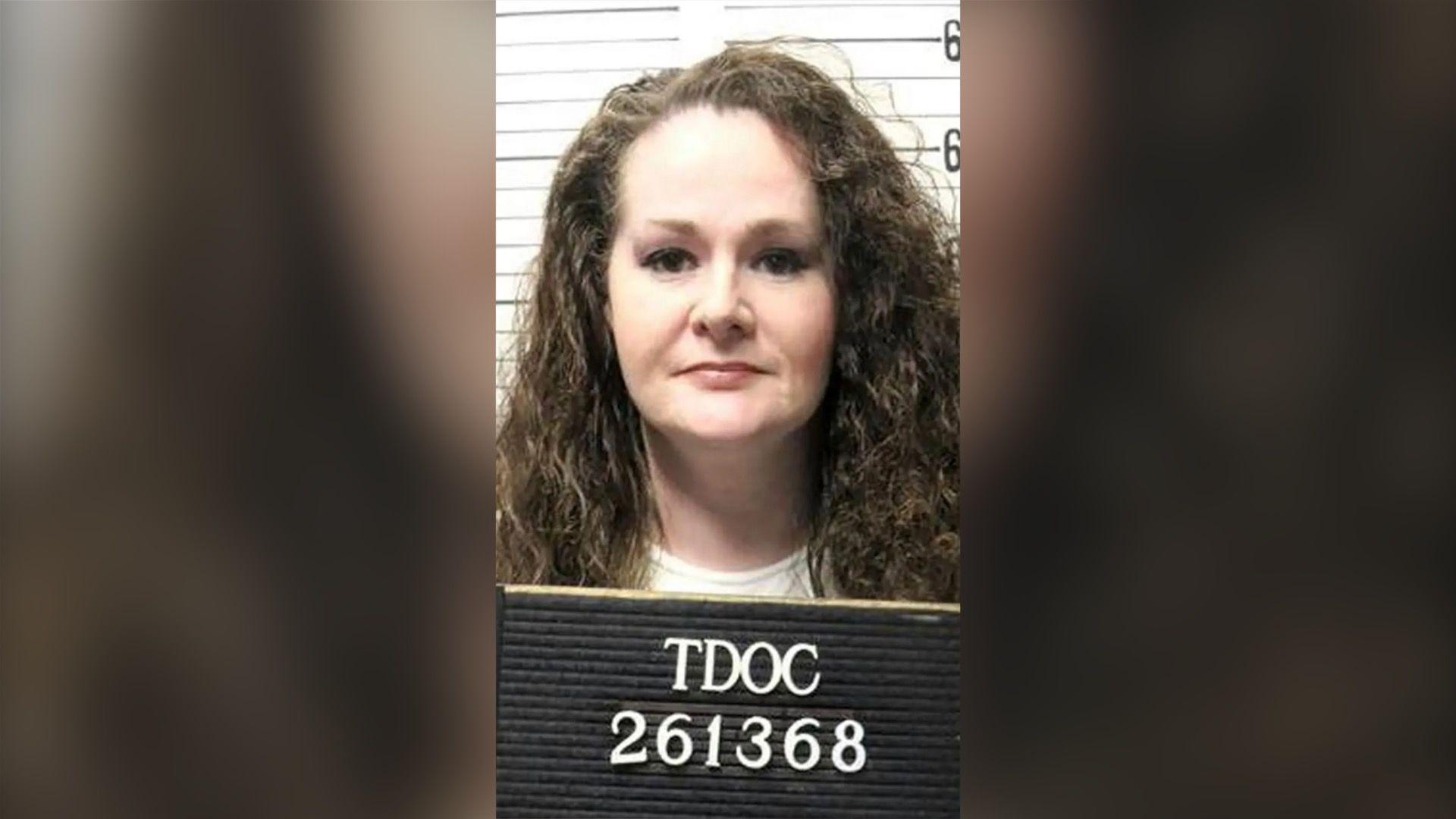
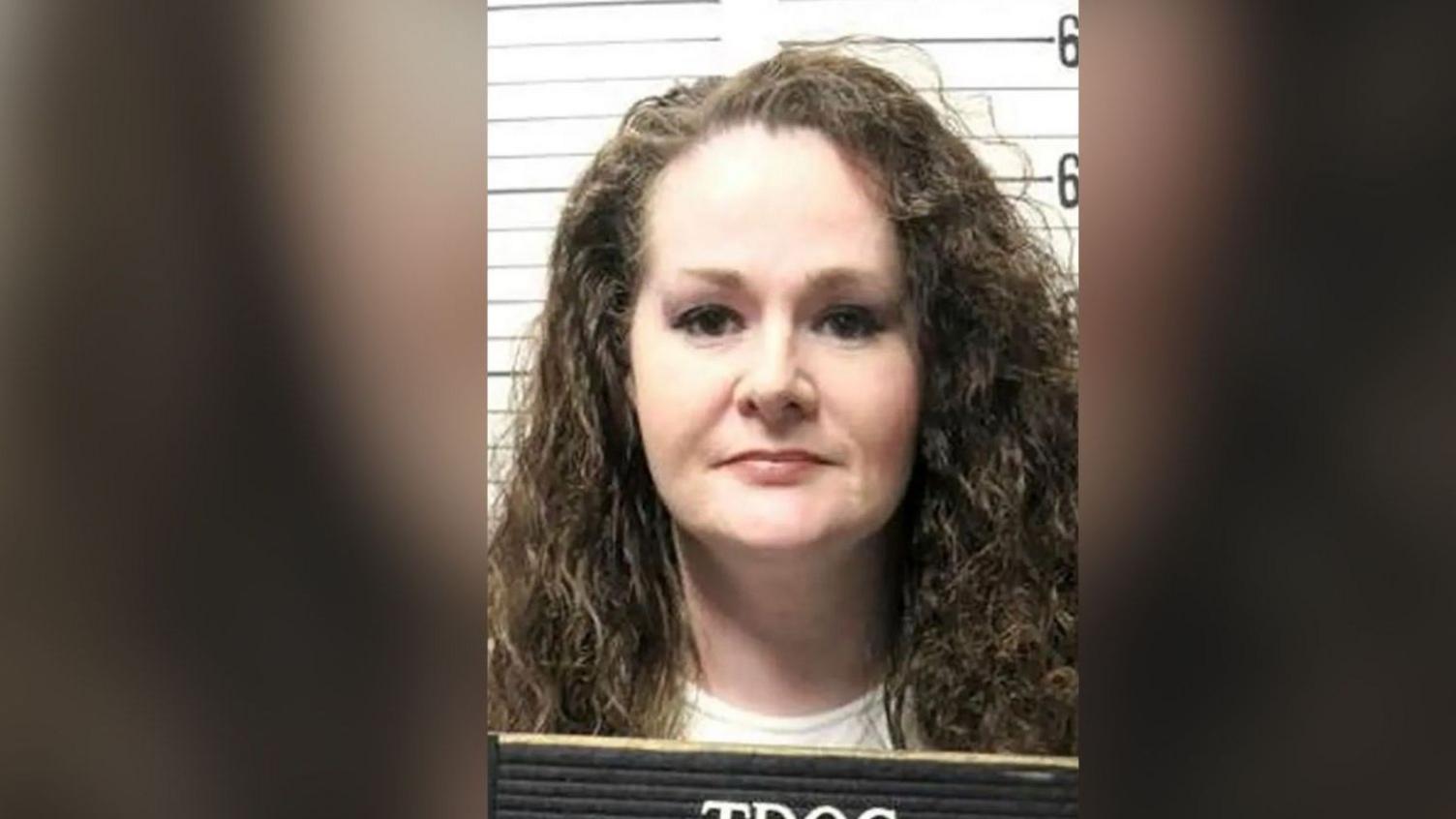
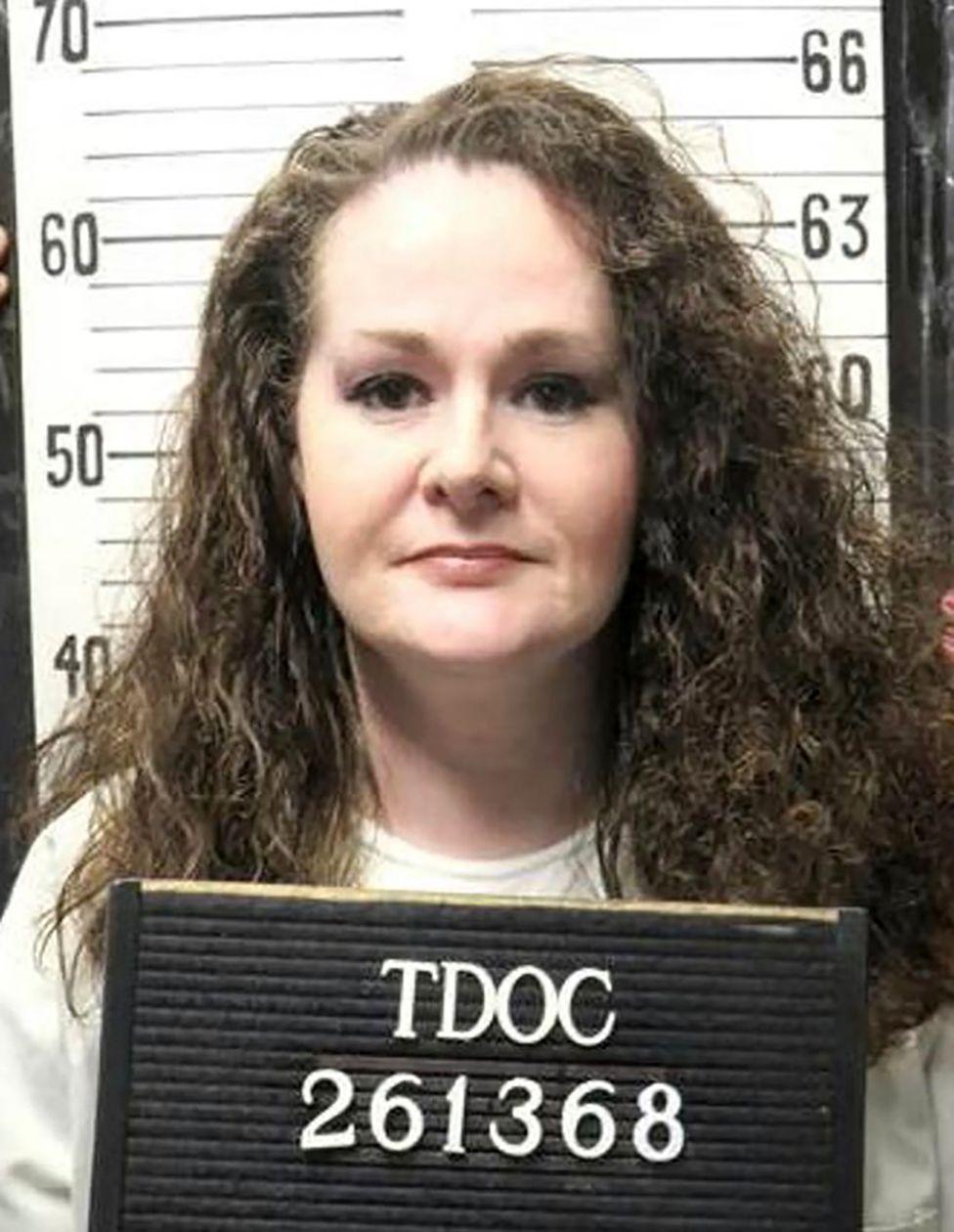
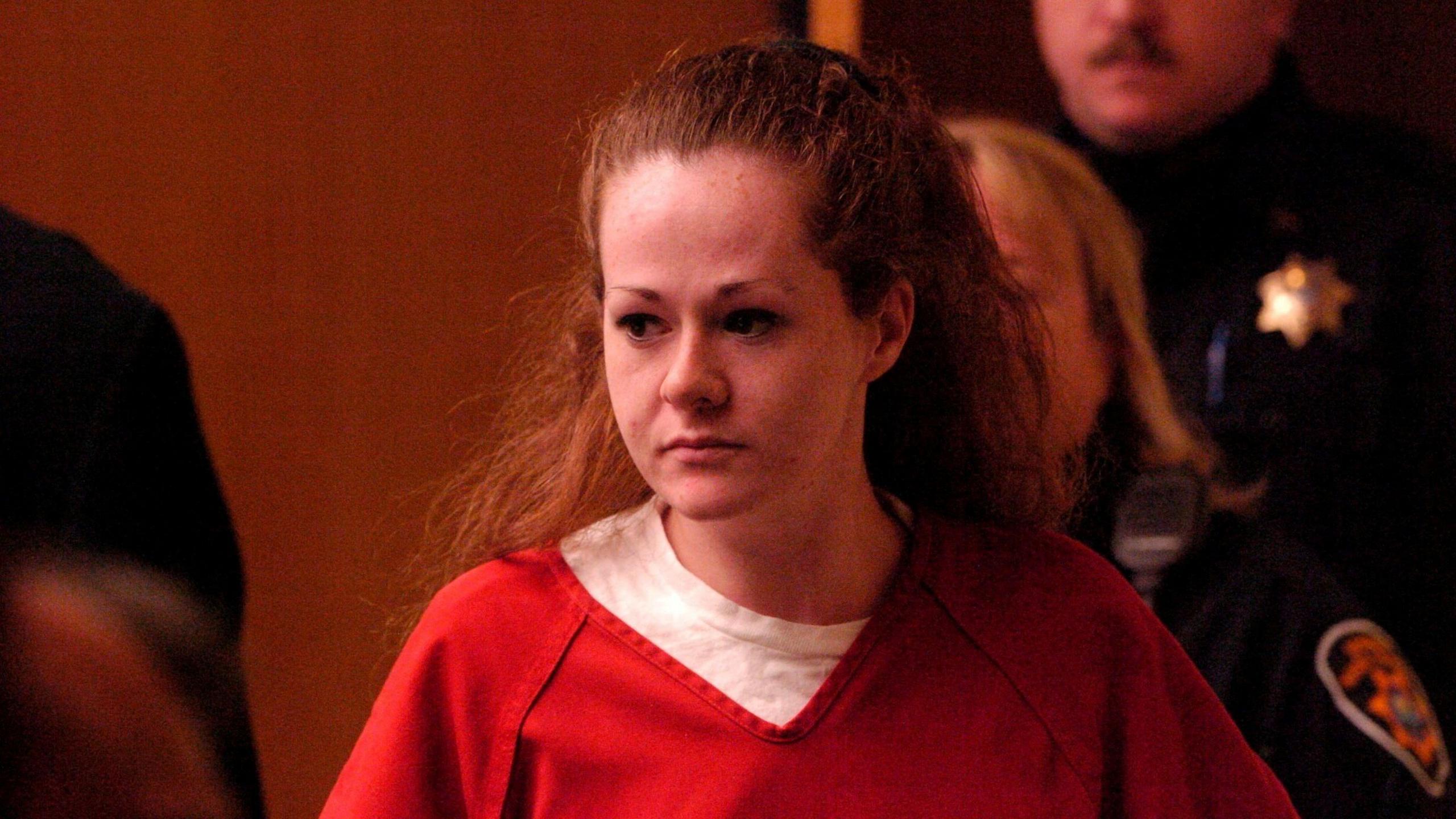
That was the case this week in Tennessee when 50‑year‑old inmate Christa Pike remained breathing and snoring after two separate doses of pentobarbital, the barbiturate used in the state’s lethal‑injection system.
Graczyk, now 76, admitted he had not been surprised by the anomaly. “It seems to me it was just a matter of time,” he said to the BBC.
The Tennessee protocol calls for a second set of pentobarbital syringes if the first dose is ineffective, but the state does not specify what to do if an inmate is still alive after the second. Governor Bill Lee immediately halted executions and ordered an independent review of the procedures.
Botched executions have drawn scrutiny for over a decade, fueled by drug shortages and alternative methods such as firing squads. According to the Death Penalty Information Center, there have been 64 botched executions since 1982, 51 of them involving lethal injections.
Pike has been transported to a hospital where she receives life‑saving care. Her victim was 19‑year‑old Colleen Slemmer, a Florida native whose life was slaughtered by Pike and her boyfriend.
Graczyk has always felt a heavy responsibility to remember victims, a sentiment he says is often drowned out by the focus on the inmate. “It’s easy to forget the families who lost their loved ones,” he said.
He recalled a 1998 execution of Jonathan Nobles in Texas, who sang “Silent Night” as his final words before the drugs took hold, a memory that lingers in his mind even on Christmas choir nights.
The incident raises urgent questions about the safety and legality of lethal injections, a killing method tried in 27 U.S. states. The fallout from Pike’s survival is reshaping the debate over capital punishment across the United States.