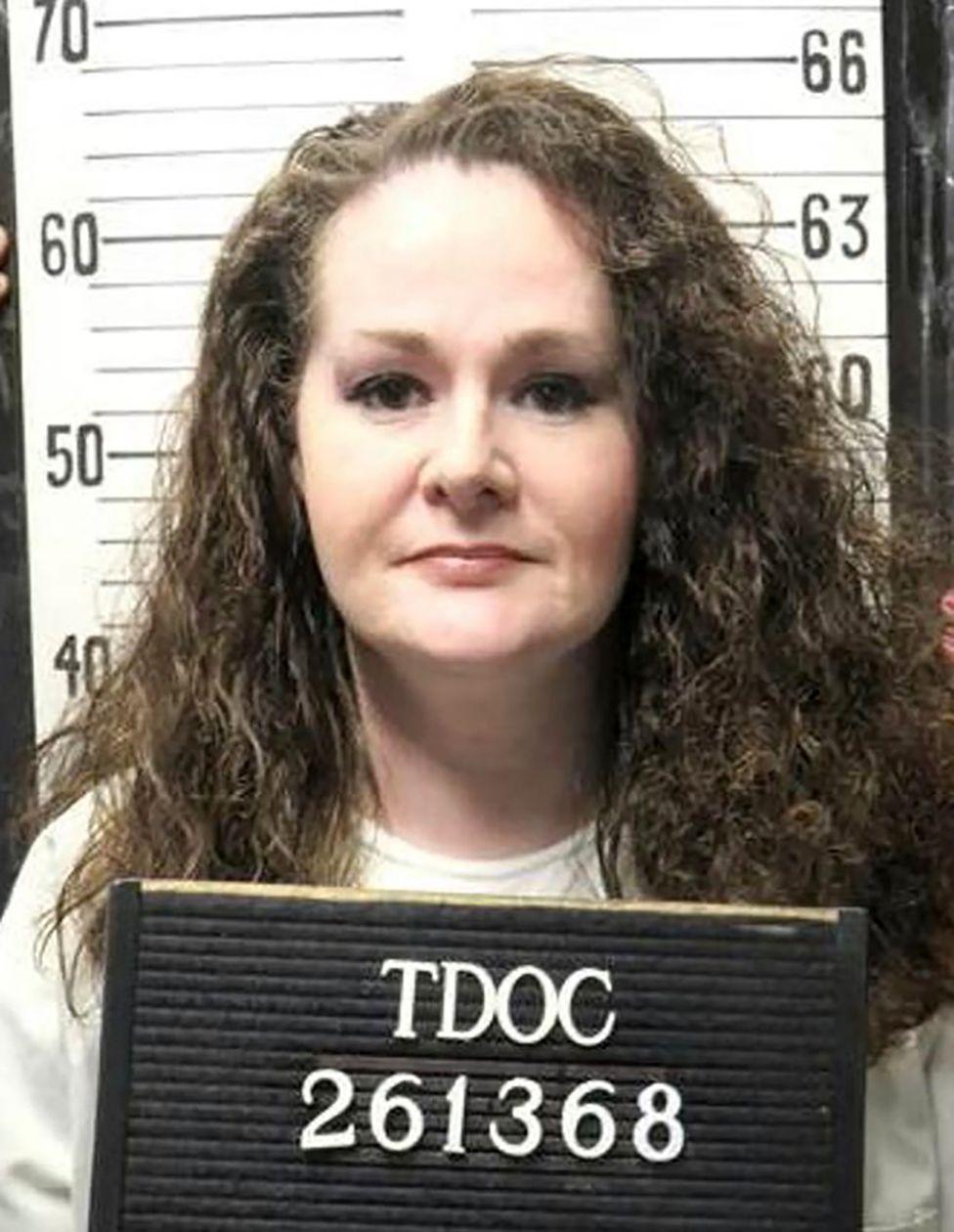
A Failed Execution
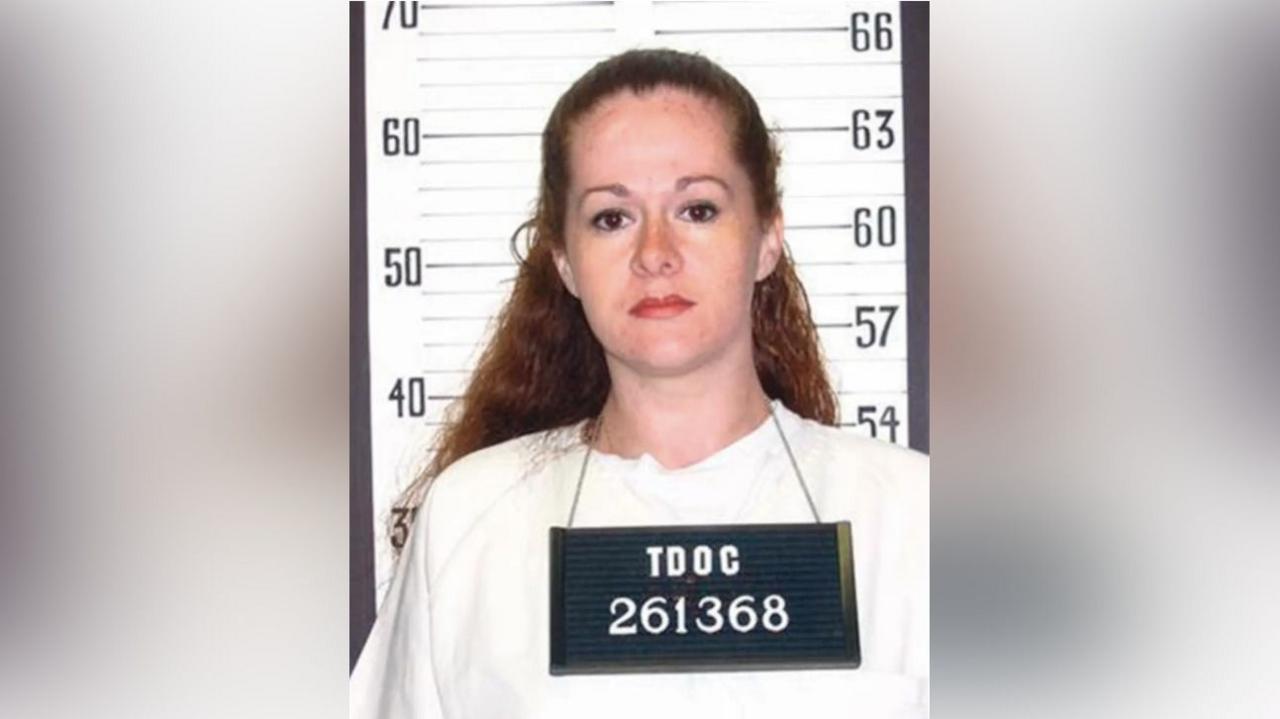
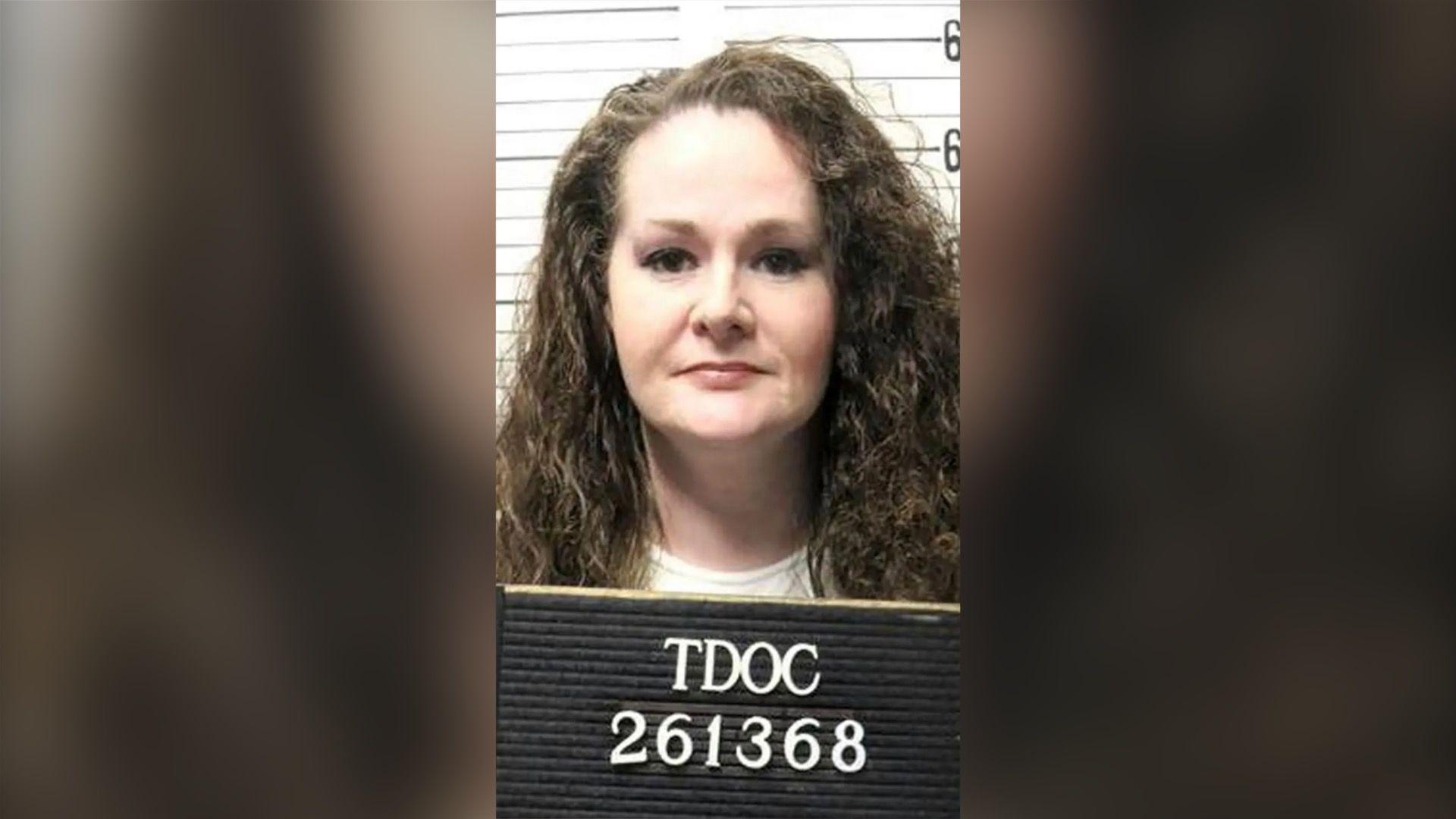
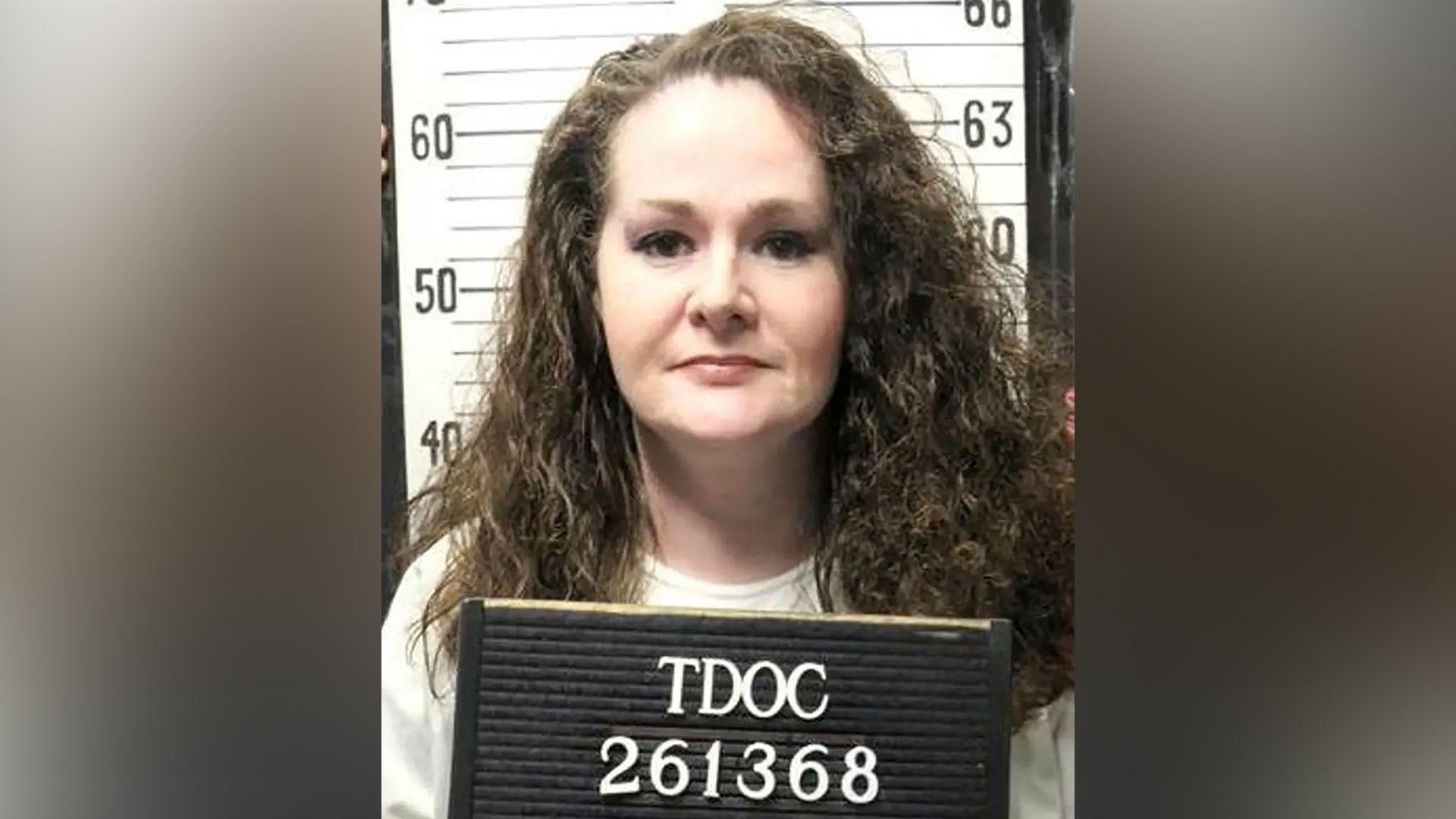
The Tennessee Department of Correction carried out a scheduled execution of convicted murderer Christa Pike on Wednesday. The inmate received two doses of the drug pentobarbital, yet her heart kept beating and she was reported to still be snoring, indicating the injections were ineffective.
State Response
In reaction, Governor Bill Lee halted all executions for the remainder of the year and approved an independent review of the state’s lethal‑injection protocol. The department defended its procedures, noting that the protocol allows no additional steps beyond the two injections used. However, the protocol does not define a course of action if an inmate survives a second dose.
Legal and Historical Context
Pike’s case is not the first misstep in Tennessee’s execution history. In May, inmate Tony Carruthers suffered a postponed execution after staff could not locate a vein. Nationally, over a third of U.S. executions in 2022 were botched. Historically, the Supreme Court has allowed a second attempt, citing that it does not violate double jeopardy or the Eighth Amendment—an argument prosecutors may invoke if a second execution is pursued.
The Drug in Question
Pentobarbital, a potent sedative, has been used in lethal injections but has drawn scrutiny for potential pain and suffering. The Biden administration banned its use in federal executions, though states such as Tennessee retain the right to use the drug.
Current Status
Pike was transferred to an off‑site medical facility and is reportedly receiving life‑saving treatment. Her legal team has requested updates on her prognosis, while medical experts warn of possible brain injury due to delayed resuscitation. No decision has yet been made regarding a second injection attempt.