In brief
Noelia Castillo, a 25-year-old woman who suffered from a severe injury and had previously attempted suicide, was granted euthanasia rights after a lengthy battle with her father. Her death has raised questions about state support and institutional failures in patient care, with various groups commenting on the legal obstacles and the need for better healthcare provisions.
Warning: This story contains references to sexual assault and suicide
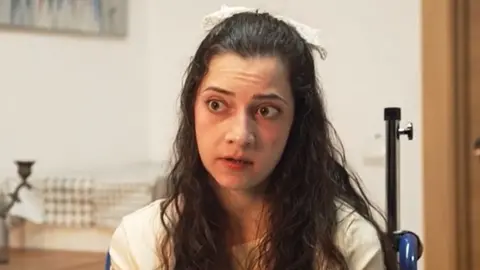
The death by euthanasia of a 25-year-old Spanish woman after a protracted legal battle with her father has triggered debate about the role of the state in caring for her and why it took so long to implement her wish to end her life.
Noelia Castillo, who had been left paraplegic due to injuries suffered when she tried to take her own life in 2022, died on Thursday evening at a Barcelona hospital.
The Catalan regional government had granted her the right to assisted dying in 2024; however, the process was suspended at the last moment after legal objections raised by her father, backed by the campaign group Christian Lawyers.
The case has garnered significant attention in Spain, with Christian Lawyers attempting to block her death until the last possible moment. After an 18-month legal battle, the European Court of Human Rights ruled in Castillo's favor, confirming her death late on Thursday.
Castillo endured a troubled childhood marked by time in care homes, exacerbated by her father's alcoholism and experiences of sexual assault. In an interview prior to her passing, she articulated her desire to end her suffering, stating: I want to go in peace now and stop suffering.
Her mother attended the clinic with her, although she disagreed with the decision, while a friend was prevented from entering the facility to dissuade her from euthanasia.
Various social and political entities have responded to Castillo's case, with the opposition conservative People's Party emphasizing systemic failures in her care. In a statement reflecting on the institutional failings, Castillo's story was described as a consequence of unmet needs that led her toward euthanasia, highlighting a critical discussion on how society provides care for its most vulnerable.
Spain's euthanasia laws allow for assistance in dying under specific conditions, primarily for individuals suffering from incurable illnesses or severe, chronic disabilities. Critics argue that Castillo's journey should prompt a reevaluation of the healthcare system to prevent similar tragedies in the future.