In brief
The UK government’s decision to put the loss‑making British Steel plant under state control has drawn sharp rebuke from China, which says the move infringes on Jingye Group’s legal rights and undermines confidence in UK investments. Beijing’s commerce ministry warned that the nationalisation was a breach of the 1986 Bilateral Investment Treaty and could lead to Chinese firms seeking protection for their assets. Britain, meanwhile, argues the move is needed to safeguard hundreds of jobs and preserve a crucial domestic steel capacity that the country currently lacks. Amid the political shift with a new prime minister coming to power, the dispute risks straining UK‑China ties at a time when economic cooperation is still vital.
China hits out at British Steel nationalisation
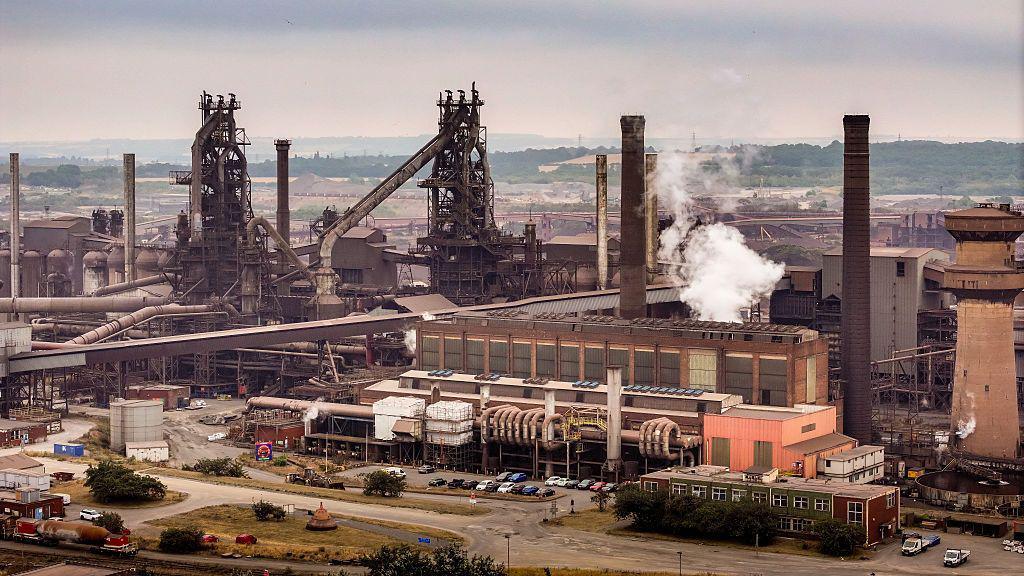
The UK government’s move to bring the loss‑making British Steel plant under public ownership has drawn strong condemnation from China, which says the decision inflicts significant damage on its investor Jingye Group and breaches the 1986 Bilateral Investment Treaty.
London’s government justified the nationalisation by arguing it protects jobs and preserves a “vital national capability”, noting that the plant’s operations in Scunthorpe were seized last year while Jingye still held ownership, limiting the government’s ability to steer future strategies.
The commerce ministry called the move a serious infringement on Jingye’s legitimate rights and warned that it would severely undermine the confidence of Chinese companies invested in the UK, adding that Beijing would monitor developments closely and support Chinese firms to protect their rights.
With Andy Burnham expected to assume office on Monday, the dispute arrives at a pivotal moment for UK‑China relations, as the incoming prime minister will need to weigh economic benefits against the new administration’s industrial policy priorities.
The nationalisation came after Parliament passed legislation allowing the government to take over industries where a public‑interest test is met. The government has pledged to cover the plant’s running costs for the immediate future but it is unlikely to keep the business running long‑term given its daily subsidy of over £1 million.
British Steel employs around 2,700 people in Scunthorpe and supports thousands more along its supply chain. Its shutdown would leave the UK—currently the only G7 member without a domestic steel‑making capability—reliant on imports from the EU, US, China and India.
The plant produces steel types not yet made elsewhere in the UK, including materials required by Network Rail and the building sector. While the government’s long‑term strategy favours electric‑arc furnaces (EAFs), it is reluctant to lose output at Scunthorpe until viable alternatives materialise.
Chinese officials said the firm was losing £700,000 a day and seeks compensation, though Jingye has yet to issue a formal response. The government will appoint an independent valuer in autumn to assess any due compensation, which could be nil.
The British steelworks came under state ownership again in 1988 before being privatised by then‑Prime Minister Margaret Thatcher. The 2026 nationalisation marks the first return to public control in decades, igniting concerns over foreign investment protection and bilateral diplomatic ties.