Shein's Hong Kong IPO Opens with Sharply Falling Shares
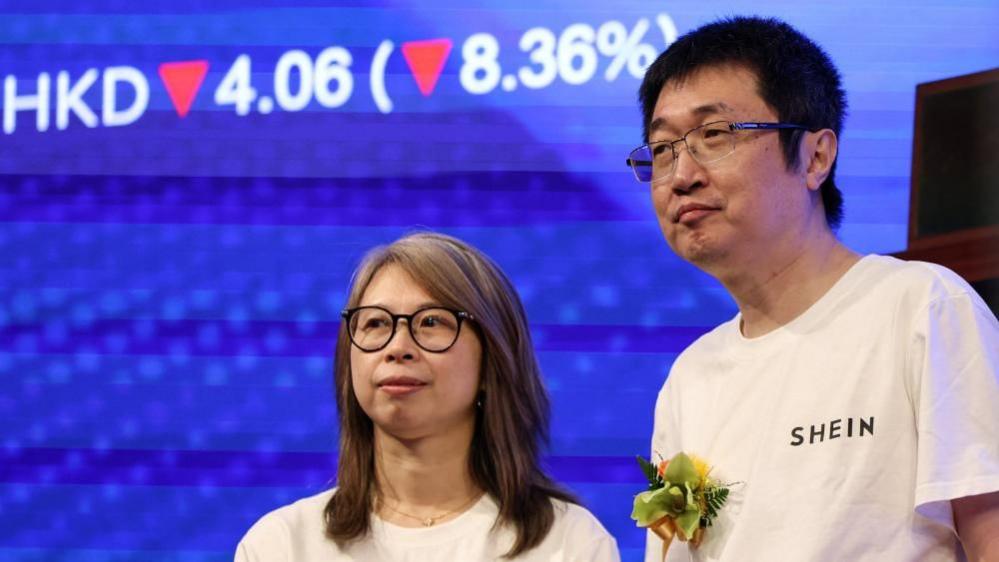
Fast‑fashion giant Shein, which had long sought a public listing in the United States and the United Kingdom, finally hit the Hong Kong stock exchange on Tuesday, only to see its shares tumble by 8.7% in the first trading session.
The company priced each share at HK$48.56, raising HK$13.6 billion (US$1.7 billion) and achieving a valuation of US$26.3 billion. However, at the close of the market, shares were trading at HK$44.4, a drop that reflects investor caution over Shein’s business model and external pressures.
Shein’s valuation has fallen sharply from the near US$100 billion it was once expected to reach when it first announced plans to list in the West. The downturn comes amid ongoing concerns about the company’s labour‑practice record, its environmental footprint and, increasingly, the costs associated with stiff competition and tariff exposure.
“The market is not convinced that Shein’s growth can make a comeback,” said Charu Chanana, chief investment strategist at Saxo. “Higher costs, regulatory scrutiny and competition threaten to erode what has been a razor‑thin margin.”
On a bright note, CFO Leigh Gui highlighted the company’s global reach. He noted that “Shein’s model of selling large numbers of small orders with rapid payment options now reaches about 160 markets worldwide.” A spokesperson said the company processed more than a billion orders from 273 million customers in the year to the end of March 2026.
Shein’s shift from the US and the UK to Hong Kong after a long stone‑wall of political and regulatory opposition underscores the company’s need to navigate a different landscape. After a failed US IPO and a planned listing in London that faced similar opposition, Hong Kong quickly became the only realistic path for the brand, despite the city’s own regulatory framework.
Industry analysts point out that the listing marks the largest new share sale in Hong Kong this year and serves as a test of investor appetite for fast‑fashion as a sector. Competing brands such as Asos, Boohoo and Temu have also seen their shares dip under scrutiny from regulators and heavy competition.
Moreover, the company’s business model faces new challenges from trade tensions and import‑duties triggered by recent policy changes. In the US, the de‑minimis rule that allowed low‑value packages to enter duty‑free has been struck down, raising import charges for packages worth less than US$800. Similar tariffs have been imposed in the EU and from geopolitical events such as the recent conflict in Iran, all affecting supply chains and costs.
Shein’s founder Xu Yangtian, who had remained largely behind the scenes, made a public appearance at a business conference in February, reaffirming ties to Beijing and pledging investment in China’s clothing industry. This move signals an effort to reinforce a domestic base while grappling with international pressures.
The debacle in the stocks trade signals a deeper issue: the fast‑fashion model under scrutiny for low prices that may not be sustainable long term. Investors anticipate that without a significant shift in business strategy – perhaps through a focus on sustainability, differentiation and a tighter cost structure – Shein will continue to face headwinds from regulators and competitors.
As the company navigates its maiden public trading day, the market will look for concrete signs that Shein can maintain margins and adapt to changing global trade rules while upholding a supply chain that supports rapid, low‑cost fashion.