In brief
Throughout the United States, small groups are actively working to combat loneliness by fostering social connections. With membership in civic organizations and clubs declining, these grassroots movements are tackling social disconnection by rebuilding community ties. From Baltimore's collaborative neighborhood farming initiatives to Ohio's community gatherings, these efforts represent a critical response to the epidemic of loneliness highlighted by health experts. Former Surgeon General Vivek Murthy emphasizes the need for community-driven projects aimed at creating personal connections to mitigate the negative impacts of social isolation.
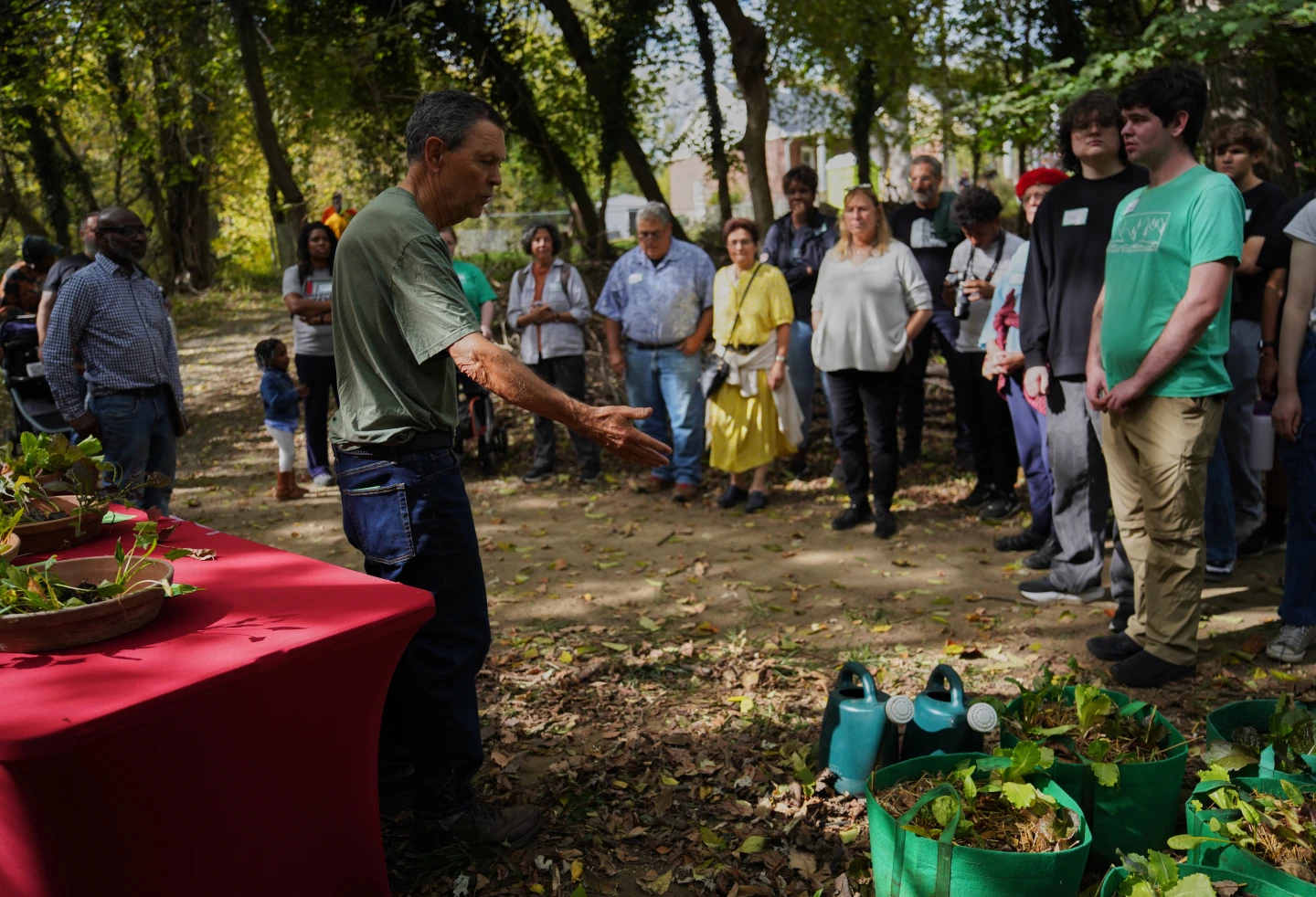
Across the country, small groups are working to rebuild social connection amid rising loneliness in their own modest ways. It sounds simple — building relationships. But they’re up against powerful cultural forces. By many measures, Americans are socially disconnected at historic levels. They’re joining civic groups, clubs, and unions at lower rates than in generations. Recent polling shows that membership rates in religious congregations are around the lowest in nearly a century. Americans have fewer close friends than they used to, trust each other less, and are hanging out less in shared public places like coffee shops and parks. About one in six adults feels lonely all or most of the time, the same for about one in four young adults. No one has a simple solution. But these small groups, regardless of their diverse missions and makeups, are recognizing that social disconnection is a significant part of the problems they’re trying to address, and reconnection is part of the solution. In Baltimore, local initiatives are trying to foster a culture of giving and mutual support, while in Kentucky, cooperative models are helping small farmers strengthen rural communities. In Akron, Ohio, community leaders are focusing on affordable housing and social gatherings, which some residents say have helped revive neighborhood traditions like Halloween trick-or-treating. Former Surgeon General Vivek Murthy has reported on an 'epidemic of loneliness and isolation' that poses various health risks, echoing a call for a movement centered around connection. Local groups across the nation are working to ease this isolation. In Pittsburgh, social resilience and trauma-informed development efforts include soup meals shared among residents after community training sessions. In summary, these grassroots efforts exemplify a nationwide push towards creating a more connected society, highlighting that healing can happen one relationship at a time.