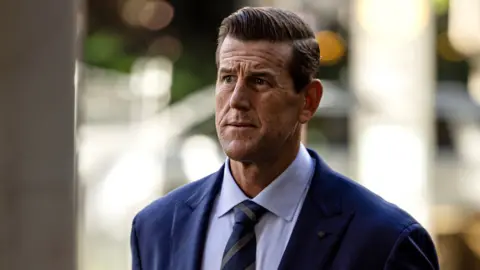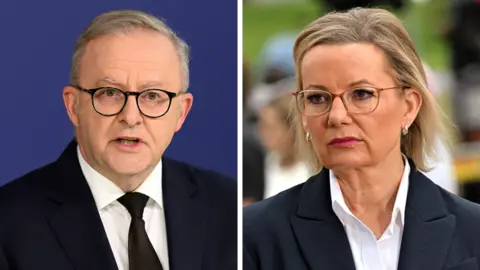
Thursday had been earmarked for Australians to mourn the victims of last month's Bondi shootings. Those who had lost loved ones in the antisemitic attacks wanted it to be a chance to remember the dead, and spread light and kindness in their honour. Instead, it was a day dominated by a political row resulting in the collapse of the opposition coalition.
Veteran political commentator Malcolm Farr reflected on the unfortunate timing of political actions surrounding the tragedy, labeling it as self-indulgent during a critical moment for mourning. The political fallout, driven by reforms linked to the tragic event, threatens to damage the electoral prospects of both the Prime Minister and opposition leaders.
The shooting took place during an event commemorating the Jewish festival of Hanukkah, resulting in the deaths of 15 individuals, including a child. In the days following the attack, Australian political figures were seen at the scene, with some pointing fingers rather than offering supportive solutions, echoing sentiments expressed by local residents about the politicization of tragedy.
As political tensions rose, Prime Minister Albanese faced accusations from the Jewish community regarding his prior dismissal of concerns over rising antisemitism, particularly linked to recent events surrounding the Israel-Gaza conflict. The fallout from the shooting has unveiled a divided Australia, with growing frustration among citizens regarding their leaders' behavior in times of tragedy.
The political crisis has shaken the stability of the coalition government, with disputes over proposed hate speech laws and further inquiries into the causes of violence. This political landscape reveals a broader societal schism in Australia, one that reflects increasing polarization and skepticism towards political representation.