In brief
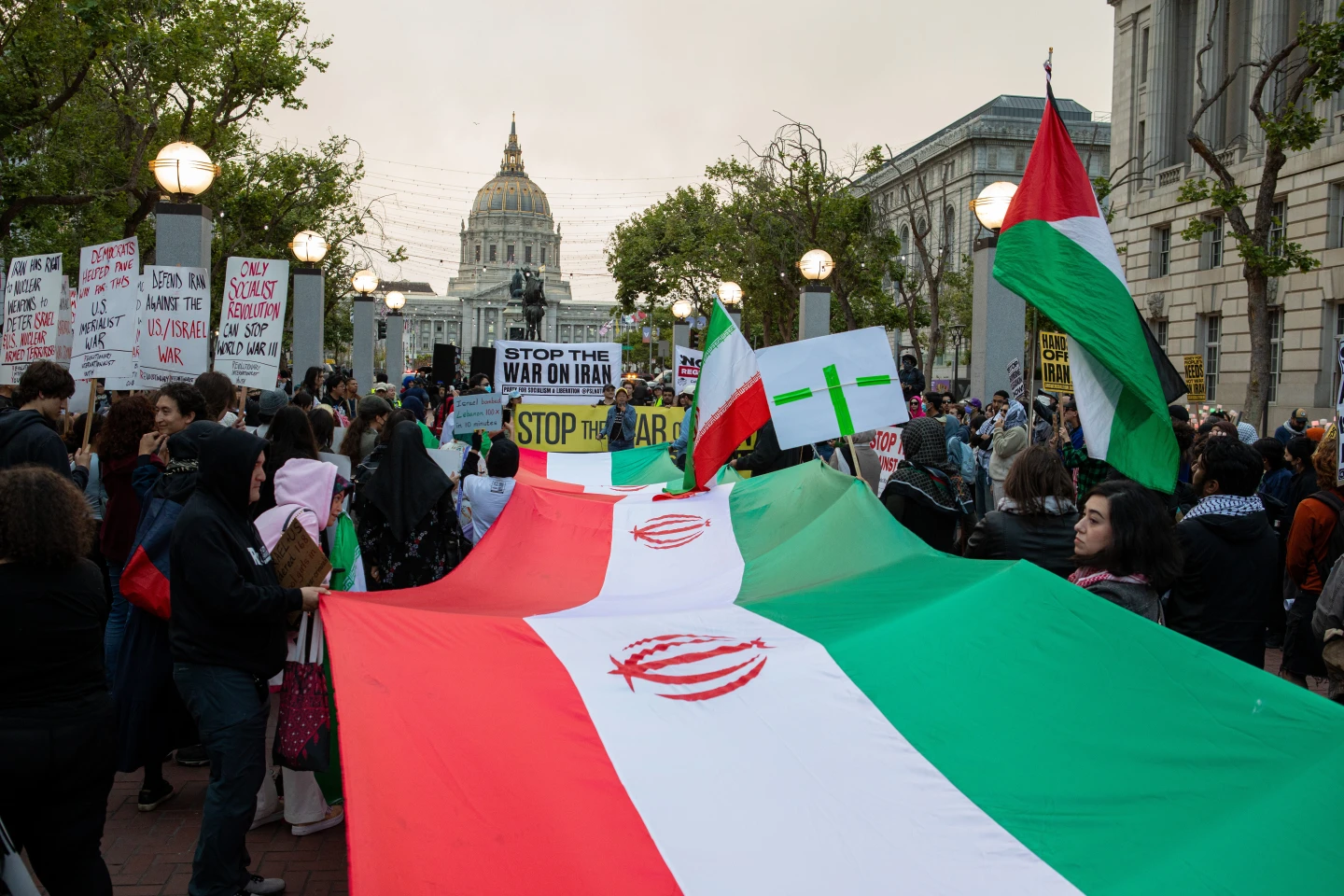
Zainab Haider, an Iranian-American, drives home worried about her family in Iran as President Trump's ultimatum looms over the nation. Amidst escalating tensions, she and thousands of others protested across major U.S. cities, seeking to end the conflict while grappling with fears for relatives back home. Many express mixed emotions as they navigate complex societal and familial loyalties amidst the threat of war.
Zainab Haider was making the drive home after work with her two young children Tuesday, contemplating the threats made by President Donald Trump against Iran. As uncertainty looms, fears for loved ones back in Iran deepen, especially when considering Trump's ultimatum.
For many Iranian-Americans, the threat of violence against their homeland has created an unbearable tension. In protest, Zainab and others gathered in city centers like Austin, Los Angeles, and Chicago, expressing their desire for peace while fearing for the lives of their relatives overseas.
Recent discussions about the potential conflict have left families anxious and divided. Those who continue to support U.S. military actions struggle with the moral implications, as they understand the cost could be civilian lives.
Sheila Amir, another Iranian-American, echoed this sentiment, sharing her distress over being unable to confirm the safety of relatives amid a deteriorating situation marked by internet blackouts across Iran. This anxiety extends further, as the threat of increased military aggression from the U.S. could endanger her own family members in the military.
The protests reflect a broader struggle within the Iranian-American community, where shared worries about family members back home conflict with the realities of political dynamics. For many, mobilizing in protest is seen as a means to exert pressure against Trump's dangerous rhetoric towards Iran.
As conversations continue around the narrative of war, the need for dialogue, understanding, and ultimately peace has never been more critical for both Iranian-Americans and their families still living in Iran.