In brief
In the face of escalating Islamophobia, Australia's Muslim community gathered in Lakemba for Iftar, marking the end of Ramadan with a hopeful spirit. Despite recent incidents, including a dramatic rise in threats following geopolitical tensions, community leaders emphasize the importance of unity and resilience while calling for greater understanding and support from the government.
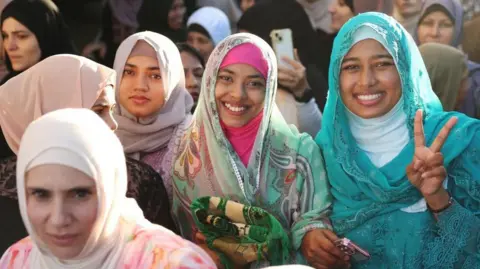
As sunset approached in the south-western Sydney suburb of Lakemba last week, the street outside the Imam Ali bin Abi Taleb Mosque filled with thousands of people ready to break their fast during a community Iftar, which marks the end of the daily fasting in Ramadan. Trestle tables were filled with families sharing food and prayers while a police surveillance trailer nearby reflected the heightened state of alert among the community due to rising Islamophobia.Gamel Kheir, secretary of the Lebanese Muslim Association, emphasized the necessity of these gatherings, stating, If ever there was a need for communities to come together and break bread, I would say this year is more important than ever. Despite the joy of the celebration, the mosque had requested additional police presence following threats, while Islamophobic incidents averaged 18 per week.The recent spike in Islamophobic attacks, reportedly increasing by 636% since October 7, 2023, is linked to ongoing geopolitical tensions but follows a tragic pattern of violence, including antisemitic incidents soaring as well. This duality has left both communities in Australia grappling with fear and a sense of abandonment.Lakemba, known as Sydney's Islamic heartland with around 61% of its population being Muslim, has been a cultural hub for over five decades. However, community leaders express concern over normalized racism and the political climate that seems to empower such discourse. Kheir criticized politicians enabling this behavior for short-term gain, leaving the Muslim community feeling isolated and vulnerable.Despite these challenges, Kheir remains hopeful, stating, The fair go for all was the motto for Australia... Sadly, I believe Australia is going down the path of most Western countries where you're having this identity crisis.The triumph of community over adversity was on full display during Eid, as families came together to support one another, demonstrating resilience amidst the wave of hostility. Many Muslim Australians continue to emphasize their belonging and contributions to the country, advocating for a society that celebrates its diversity rather than allows fear to divide its people.