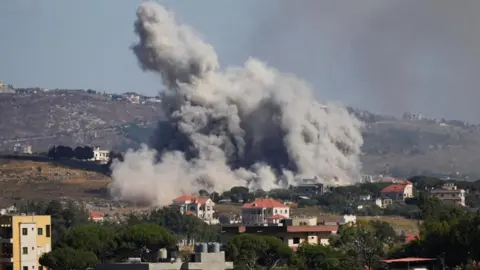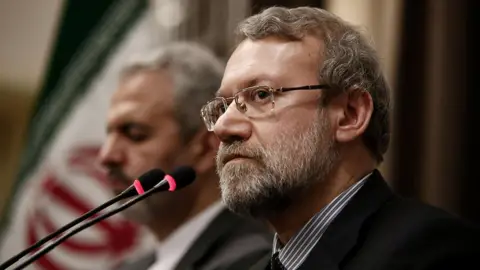
The Israeli airstrike that took the life of Ali Larijani has severed one of the most experienced and strategic policymakers of the Islamic Republic at a critical juncture. Not a military general, but rather a crucial figure behind Iran's strategic decisions, Larijani was the secretary of the Supreme National Security Council, a core element in Iran's war and diplomatic efforts. His significant role had been underscored after the assassination of Supreme Leader Ali Khamenei, where he indicated Iran’s readiness for a lengthy conflict.
The recent killing of Larijani, officially confirmed, comes amidst a troubling trend of eliminating key Iranian officials, suggesting a targeted effort to destabilize Iran's leadership structure during wartime. Despite his hardliner image, internally he was seen as a pragmatic figure who favored calculated policy decisions over mere rhetoric. His death poses immediate questions about Iran's current crises - a prolonged war, domestic protests against the government, and stalled nuclear negotiations with the West.
Without Larijani at the helm, unresolved regional tensions and domestic unrest are expected to escalate, leaving his anticipated successor to navigate a precarious and fragmented political landscape. Observers anticipate a shift toward military autonomy given Larijani’s strategic focus on conflict expansion and a consolidated military stance in running the country's affairs, likely resulting in harsher domestic repression and volatile regional strategies.
The implications of his death extend beyond one individual; they exacerbate an ongoing crisis within Iranian leadership, influencing both the war's direction and the overall stability of the state.
The recent killing of Larijani, officially confirmed, comes amidst a troubling trend of eliminating key Iranian officials, suggesting a targeted effort to destabilize Iran's leadership structure during wartime. Despite his hardliner image, internally he was seen as a pragmatic figure who favored calculated policy decisions over mere rhetoric. His death poses immediate questions about Iran's current crises - a prolonged war, domestic protests against the government, and stalled nuclear negotiations with the West.
Without Larijani at the helm, unresolved regional tensions and domestic unrest are expected to escalate, leaving his anticipated successor to navigate a precarious and fragmented political landscape. Observers anticipate a shift toward military autonomy given Larijani’s strategic focus on conflict expansion and a consolidated military stance in running the country's affairs, likely resulting in harsher domestic repression and volatile regional strategies.
The implications of his death extend beyond one individual; they exacerbate an ongoing crisis within Iranian leadership, influencing both the war's direction and the overall stability of the state.