In brief
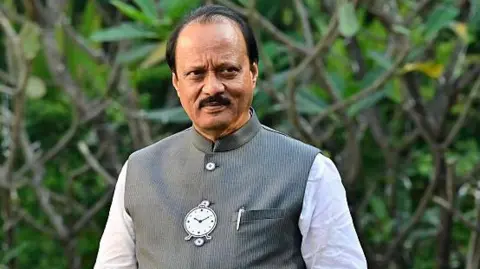
Ajit Pawar, deputy chief minister of Maharashtra, tragically died in a plane crash alongside four others. His death creates a political vacuum in the state's intricate landscape, raising questions about the future leadership of the Nationalist Congress Party amid ongoing family rivalries and alliances.
The sudden death of an influential leader has left a political vacuum in India's richest state. Ajit Pawar, the deputy chief minister of Maharashtra, died on Wednesday in a plane crash along with four others. Maharashtra's political landscape is notoriously complex - a web of shifting alliances, regional loyalties, and rivalries. And for decades, Ajit Pawar navigated it with a mixture of pragmatism and shrewdness, swiftly rising through the ranks.Yet, beneath the public triumphs, his journey was also deeply personal: a struggle to emerge out of the formidable shadow of his uncle Sharad Pawar - the founder of the Nationalist Congress Party (NCP) and a dominant figure in Indian politics. Born in 1959, Ajit Pawar entered politics in the 1980s under his uncle’s mentorship, particularly focusing on the Pawar family stronghold of Baramati, a rural area in western Maharashtra where sugar cooperatives, banks, and local institutions helped secure both economic influence and political loyalty.From an early age, Ajit Pawar was seen as the uncle's visible heir, yet he was determined to forge his own path. While Sharad Pawar represented old-school authority, known for his coalition-building skills, Ajit focused on regional power and control.As Ajit Pawar's authority grew, so did his frustrations with being seen as merely a lieutenant. His public break with Sharad Pawar in 2019, when he aligned with the BJP, signaled a contentious turning point. Although briefly successful, the union ended quickly, instilling a permanent rift within the family.In 2023, Ajit Pawar definitively broke away from his uncle's NCP and formed a governing coalition with the BJP, claiming the deputy chief minister’s role and the NCP's name and symbol. With his death, speculation regarding potential reconciliation or consolidation within the NCP has ceased. Ajit Pawar's supporters celebrated his assertive political maneuvers, while critics viewed his actions as opportunistic.Now, questions linger over the political future of Maharashtra as Ajit Pawar’s legacy, marked by personal ambition against familial ties, paves the way for a new chapter in the state’s politics.