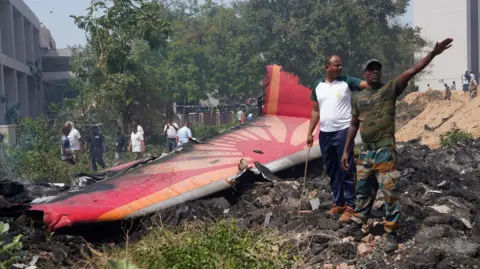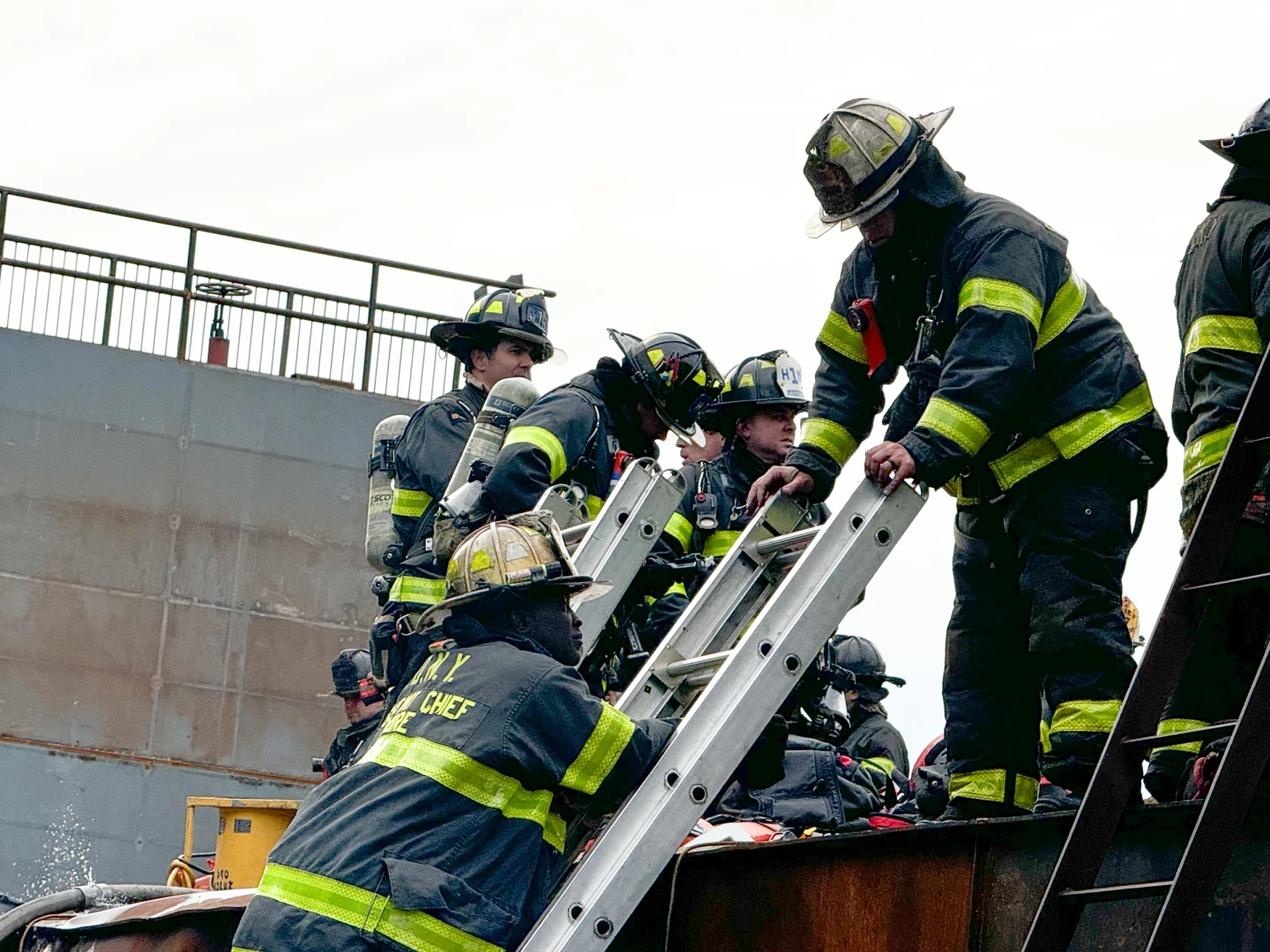
PORTLAND, Maine — The National Transportation Safety Board (NTSB) has launched an investigation at Bangor International Airport, where a business jet crashed during takeoff, resulting in the death of all six individuals on board.
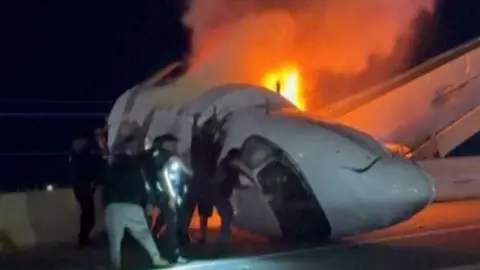
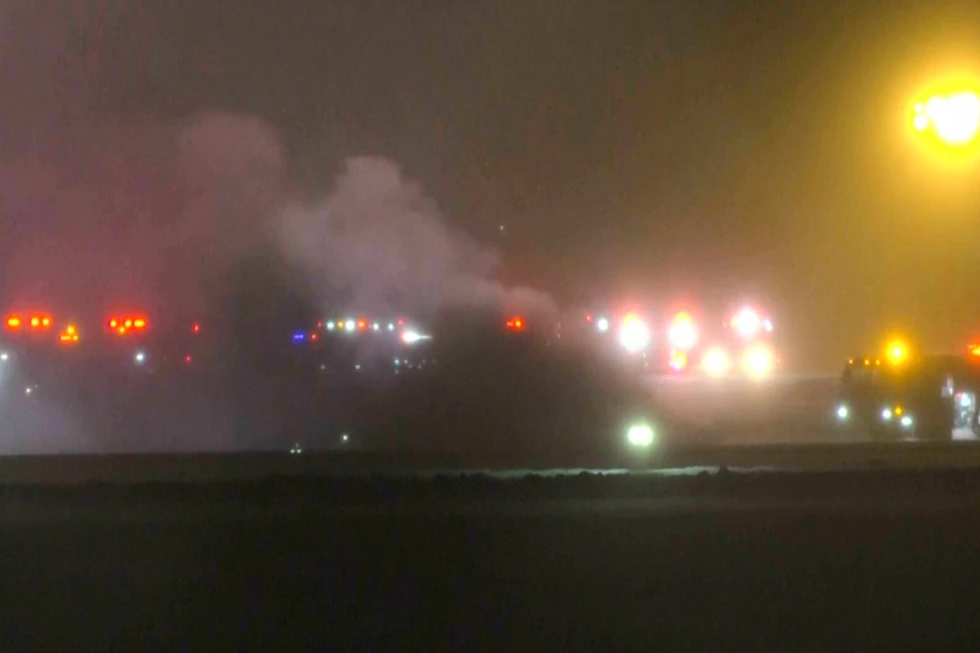
The Bombardier Challenger 600, which was bound for Paris, flipped over and caught fire shortly after takeoff at approximately 7:45 PM on Sunday. This incident coincided with a significant winter storm affecting the region. Investigators are currently looking into whether the winter weather or ice formation on the wings may have played a role in the crash.
Experts suggest that the NTSB will likely examine weather conditions and the potential for ice accumulation, a known issue for this aircraft model. The Federal Aviation Administration (FAA) confirmed that the plane crashed under unspecified circumstances as it took off, ending upside down and engulfed in flames.
Identities of Victims Confirmed
The Office of the Chief Medical Examiner in Maine is working to confirm the identities of the deceased. Among the victims was Shawna Collins, 53, a beloved employee of Lakewood Church in Houston, Texas, known for managing customer service and organizing major events.
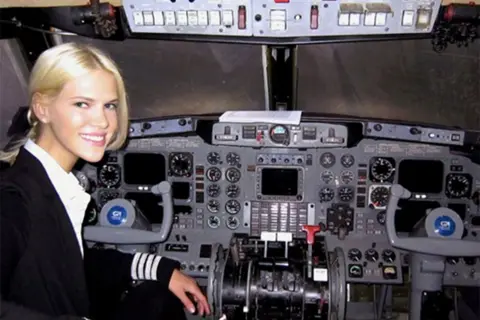
Collins was actively involved in planning her daughter’s upcoming wedding and had worked on events for high-profile clients. Also among the deceased is pilot Jacob Hosmer, 47, who was identified by family members and recognized for his experience as a licensed flight instructor.
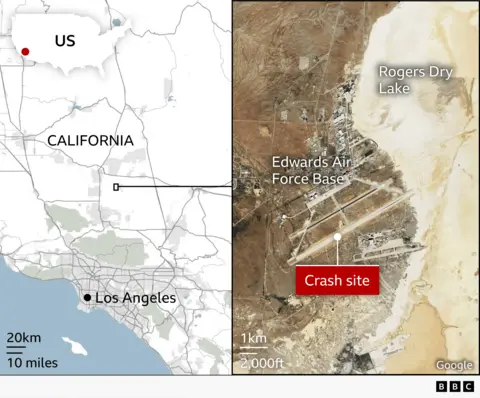
Bangor International Airport is a key refueling stop for transatlantic flights, being among the nearest U.S. airports to Europe, which underscores the significance of this tragic event.
Historical Context of Aircraft Icing Issues
The Challenger 600 model has faced scrutiny in the past for icing problems during takeoff, leading to previous accidents. Investigators emphasize the importance of de-icing measures, especially given the icy conditions reported at the time of the crash.
The NTSB is expected to release a preliminary report within a month, though a comprehensive final report might take over a year.