In brief
The Federal Aviation Administration (FAA) announced new guidelines requiring radar use to maintain safe distances between helicopters and airplanes at major airports, following a deadly midair collision in Washington, D.C. This decision comes amid concerns that previous visual separation guidelines were insufficient. Officials revealed that incidents of near misses demonstrate the need for enhanced safety measures to protect the traveling public.
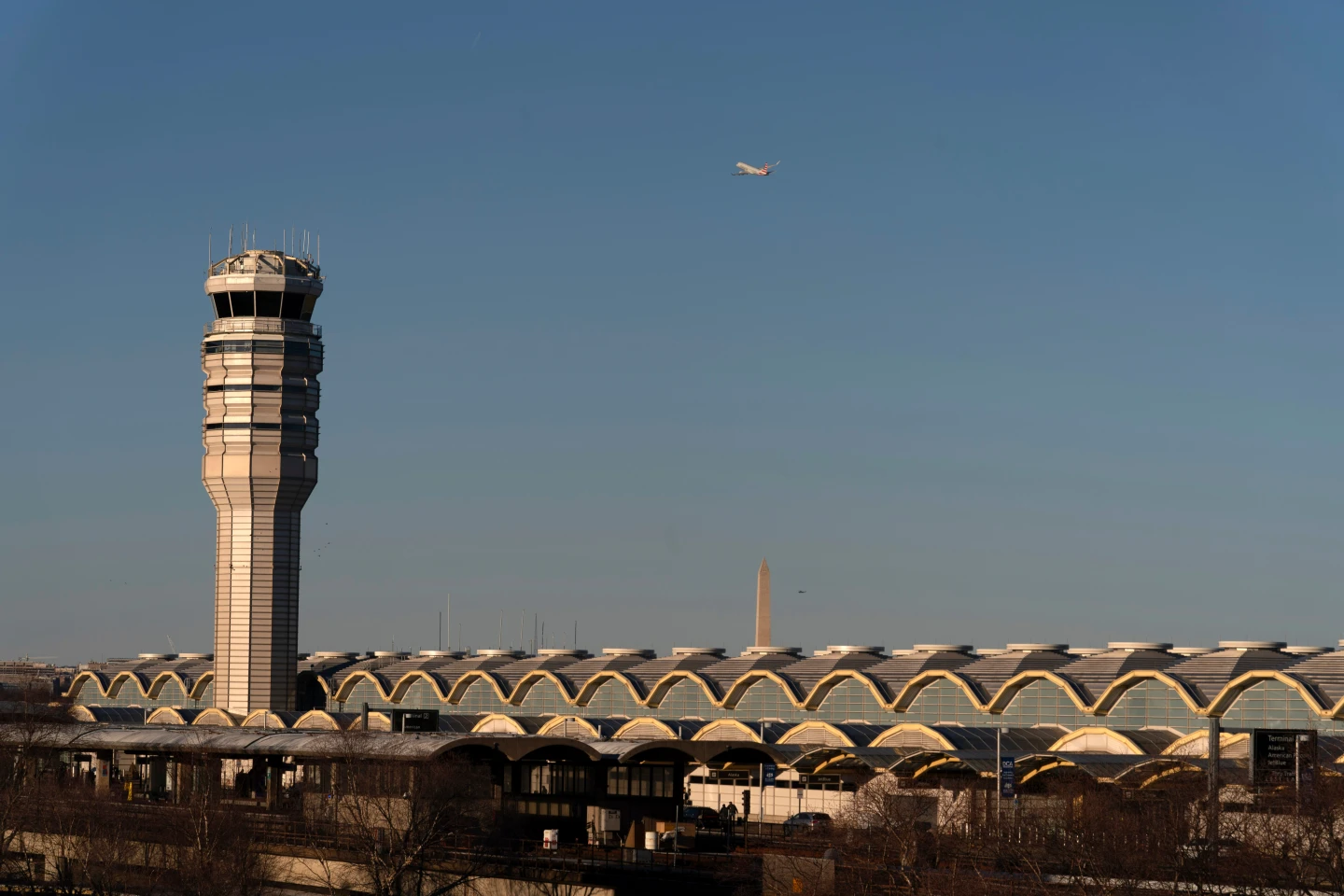
In an effort to enhance aviation safety, the Federal Aviation Administration (FAA) announced on Wednesday that air traffic controllers will now utilize radar, instead of solely relying on visual checks, to ensure that helicopters maintain a safe distance from arriving and departing airplanes. This initiative follows the tragic midair collision that occurred last January near Washington, D.C., resulting in the loss of 67 lives, marking it as the deadliest plane crash on U.S. soil since 2001.
The FAA has recognized that recent near-miss incidents indicate that the previous guidelines, which mandated pilots to rely on visual separation, are inadequate for busy airports. Consequently, air traffic controllers are now obligated to maintain specific lateral or vertical distances between helicopters and airplanes at over 150 of the busiest airports across the nation, supplementing existing restrictions already in place at Ronald Reagan Washington National Airport (DCA).
FAA Administrator Bryan Bedford highlighted the proactive steps being taken to mitigate risks, stating, Today, we are proactively mitigating risks before they affect the traveling public. The FAA's review was initiated after the January collision, with findings showing an overreliance on pilot visual assessments contributing to safety hazards.
Specific near-miss incidents were mentioned, such as a police helicopter needing to change its course to avoid an American Airlines flight landing in Texas, and another close encounter involving a helicopter near Hollywood Burbank Airport in California.
Investigators of the January crash concluded that the controllers had overly depended on visual separation requests from pilots, which likely contributed to the tragedy, as many victims included young figure skaters and their families returning from a training camp.