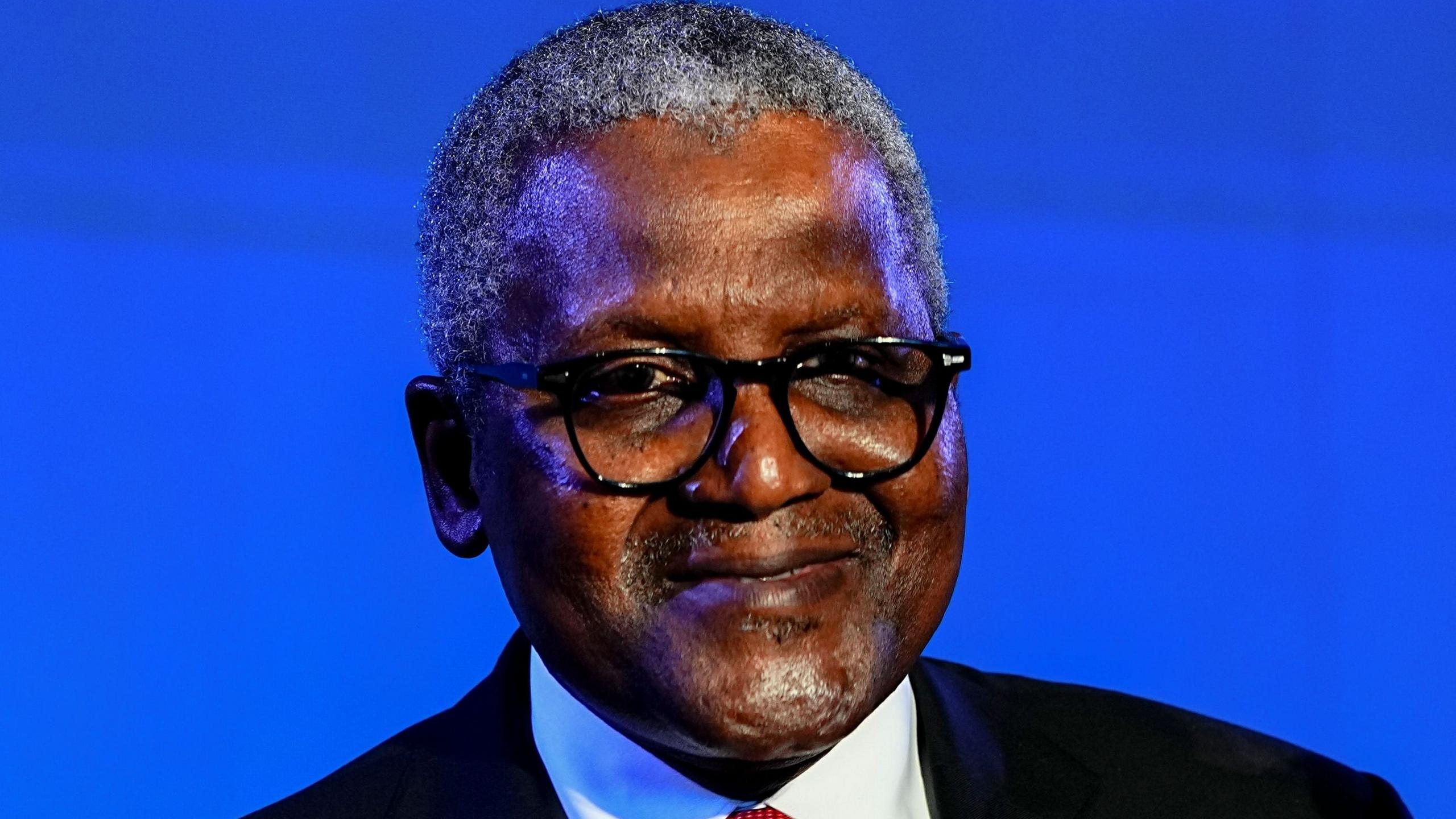

Nigerian billionaire Aliko Dangote and Kenya’s President William Ruto are set to break ground on a $16bn (£12bn) oil refinery in Lamu, on Kenya’s northern coast.
Upon completion, the refinery is expected to process 700,000 barrels of crude oil a day, making it East Africa’s largest industrial project by capacity.
Despite the projected economic boom, some landowners in the area staged demonstrations demanding higher compensation for the land earmarked for the project.
Dangote dismissed the protests as “games played by local marketers and international players,” insisting that construction would go ahead and be completed by 2030 as planned.
The Lamu refinery is Kenya’s largest infrastructure initiative since independence, surpassing the $5.1bn Standard Gauge Railway.
During a BBC interview, Dangote emphasised that the company had only taken the portion of land it required from what the government had made available, and criticised protesters for questioning a development that would benefit the nation.
He projected that, when fully operational, the refinery would create 60,000 jobs, not only directly but also indirectly for ancillary services, saying, “If we bring robots, the people will benefit.”
Critics have questioned the decision to locate the refinery in a non‑oil‑producing country and suggested alternatives such as Tanzania or Uganda, which are moving towards oil exports via the East African Crude Oil Pipeline.
Kenya’s Energy and Petroleum Minister Opiyo Wandayi answered that the refinery’s location does not preclude using oil from the region, noting that “refineries get crude oil from the market, and the market is open.”
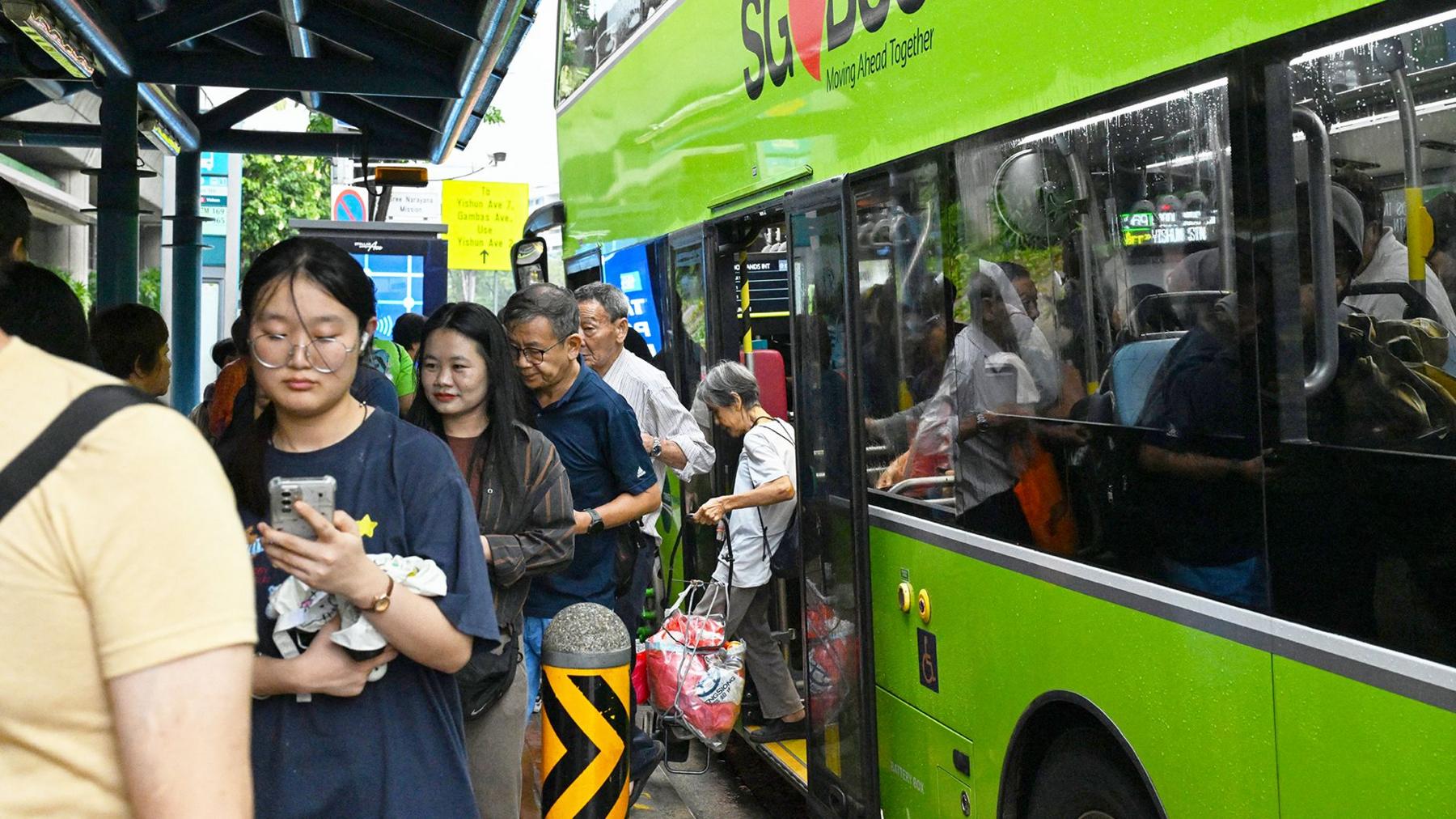
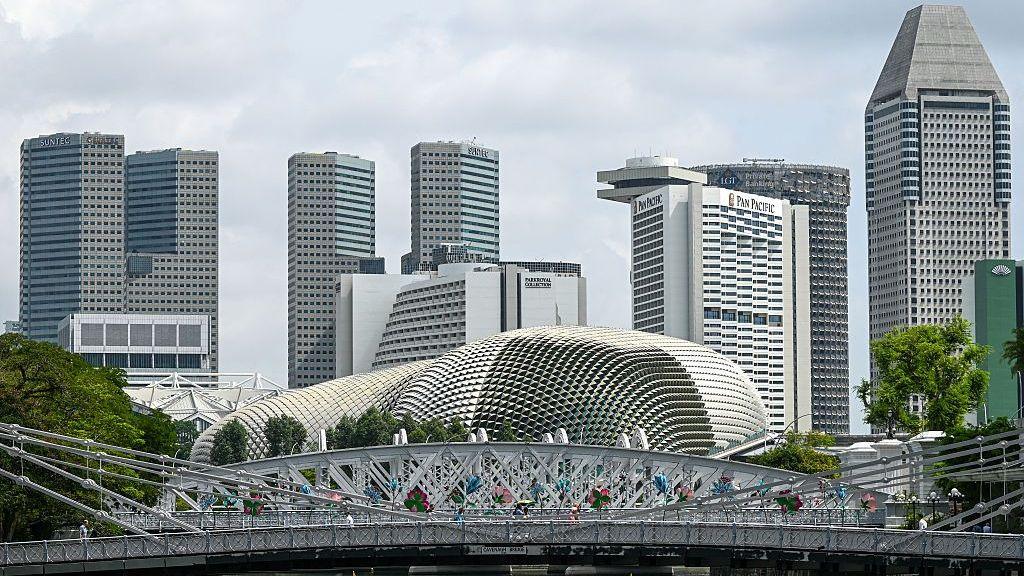
Dangote compared Kenya’s situation to Singapore, which has no domestic oil but hosts multiple refineries, saying, “Singapore doesn’t produce a single drop of oil, yet they have a lot of refineries.”
The refinery will also feature a 1,000‑megawatt power plant to supply clean electricity to the facility and surrounding industries, addressing a key constraint to industrialisation in mineral‑rich African nations.
Dangote’s broader investment portfolio includes about $50bn worth of projects, aiming to build 10,000 megawatts of power capacity across Africa by 2030, potentially doubling that figure if demand rises.
Construction of the Lamu refinery is slated to begin on 1 November, with a related Nigerian refinery processing the same 700,000 barrels a day, and an intention to double that capacity following a recent share flotation that raised up to $2.1bn.