In brief
Scott Bessent has warned that the United States will launch the biggest economic offensive ever against Iran, describing it as an "economic D‑Day" that would sever every financial lifeline sustaining Tehran. This statement follows a history of U.S. sanctions and threats, including former President Trump's harsh rhetoric and President Biden’s attempts to revive the 2015 nuclear deal. Iran has responded by threatening to shut down oil exports and warning ships facing the Strait of Hormuz about unauthorized passage. The new threat reflects an uptick in U.S. pressure amid ongoing tensions in the Middle East.
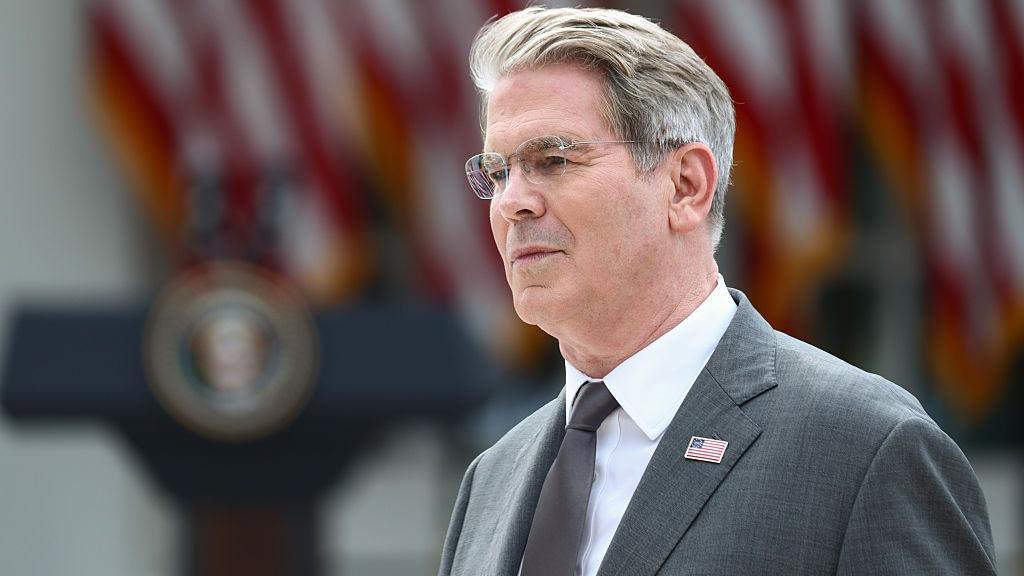
US Treasury Secretary Scott Bessent announced that the United States will launch the largest economic offensive ever against Iran, calling it an "economic D‑Day." He declared that all economic ties with Tehran would be severed and any country that finances Iran would also be isolated.
Bessent’s remarks came after a series of Iranian threats, including a warning that oil exports would be halted if the war with Israel and the United States continues. Iran has also claimed it will block shipping through the Strait of Hormuz without permission, further straining regional trade.
The statement was released as part of an opinion piece in the Financial Times, in which Bessent outlined his goal of cutting every economic lifeline that sustains the Iranian regime. He did not specify the exact measures but expects to detail them in a US press conference scheduled for 13:00 local time on Monday.
Historically, the United States has threatened Iran over the years. In April 2018, then-President Donald Trump said that if Iran failed to agree a resolution, a "whole civilisation will die tonight." The policy shifted after successful diplomatic efforts and the United Nations mediated peace discussions.
The United States currently enforces a range of sanctions on Iran, revisiting the 2015 nuclear agreement it ratified in 2015 but reversed in 2018. During this administration, several foreign banks and firms were hit with fresh sanctions targeting transactions with Tehran.
The escalation in rhetoric and sanctions signals a hardening of U.S. policy and a potential tightening of international pressure on Tehran, as the global community watches the developments on the Strait of Hormuz and other critical trade routes.