In brief
Singapore's government has announced a wage hike for ministers, with Prime Minister Lawrence Wong’s pay rising to S$3.6 m a year. Wong, the highest‑paid world leader, plans to donate the increase over five years. The move aims to attract talent and reduce corruption, but critics worry it comes amid rising unemployment and cost of living. The updated salary structure also includes performance‑based bonuses tied to national targets.
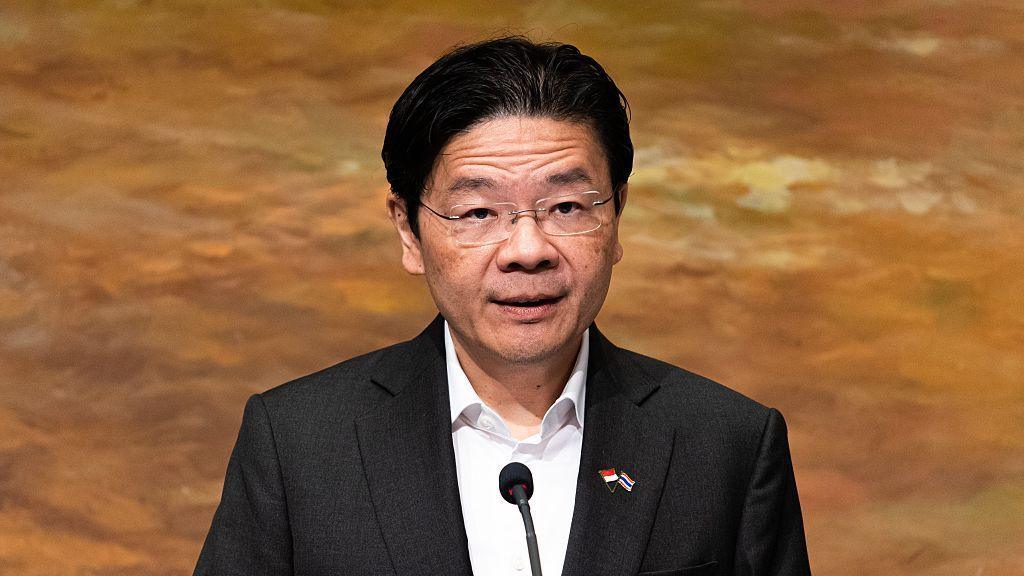
Singapore’s government today announced that the annual salary of its ministers and other senior officials will be increased, including Prime Minister Lawrence Wong, who has the highest paid political leader in the world.
Wong will receive a pay increase of 1.4 million Singapore dollars, equivalent to about US$1.1 million (£818,000). He has stated that he will donate the entire raise to charities over the next five years.
The pay hike is part of a broader strategy to attract superior talent to public office and to reinforce Singapore’s reputation for low corruption, which the authorities say high salaries discourage.
Despite these intentions, the decision has drawn criticism from citizens who are concerned about job security, the rising cost of living and the gap between ministerial pay and median wages. The median monthly income in Singapore is S$5,775.
Already, Wong is far above other global leaders, with his current annual salary of S$2.2 m set to jump 60% to S$3.6 m. The next highest paid is Hong Kong chief executive John Lee at US$719,000, followed by Switzerland’s president Guy Parmelin at US$606,000. In contrast, U.S. President Donald Trump earns US$400,000 and U.K. Prime Minister Rishi Sunak (mis‑named here as Andy Burnham) earns £230,000.
Wong defended the raise, citing difficulty in persuading business leaders and senior civil servants to join politics. He said the government “does not make the financial hurdle unnecessarily high” but hopes that the upgrade will result in a stronger national team.
Under the new pay scheme, the base package for a minister will rise from about S$1.1 m to S$1.2 m, and performance‑based bonuses will lift it to roughly S$1.35 m over the term. Part of the bonus depends on meeting national targets for unemployment, income growth and GDP growth.
The issue of high ministerial salaries has historically been a contentious topic for Singapore’s ruling People’s Action Party. In 2011 the party’s lowest voting share was tied to discontent over pay and immigration policies, prompting a salary cut the following year.
Voters expressed frustration that ministers earn far more than the median citizen. While the government cites Singapore’s high ranking on Transparency International’s Corruption Perceptions Index as evidence that the system works, the disparity remains unsettling for many citizens.
In the days since the announcement, online comments have ranged from accusations that the raise is “tone‑deaf” amid retrenchments and inflation to praise that it will bring the “best of the best” into government.