In brief
After a turbulent period of cross-border military strikes, both countries have acknowledged the ceasefire, while caution remains over reported violations.
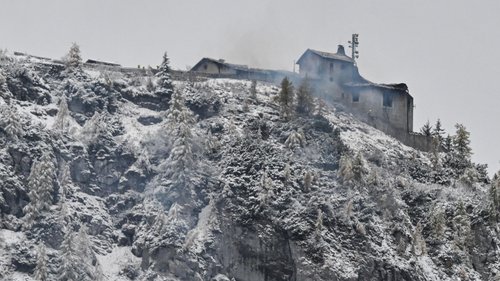
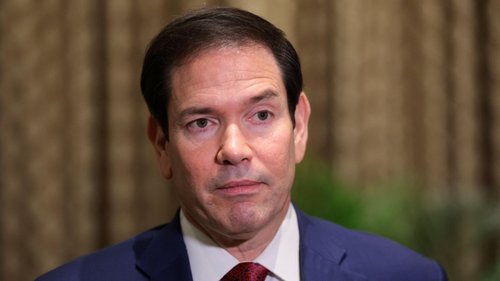
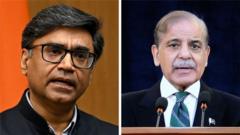
The ceasefire between India and Pakistan seems to be holding steady overnight, despite mutual accusations of violations shortly after the agreement was reached. This comes after a series of violent military confrontations that predated the US-brokered truce, marking a significant escalation in tensions that had not been seen for decades. US President Donald Trump praised the leaders of both nations for their decision to agree to the ceasefire, highlighting the potential loss of life that could have occurred without such a resolution. Following the announcement, however, explosions were reported in Indian-administered Kashmir, raising concerns about the effectiveness of the truce. The recent military escalations were triggered when India responded to a deadly militant attack in Pahalgam by targeting locations in Pakistan and Pakistan-administered Kashmir. The Pakistani government has denied any involvement in the attacks. The ceasefire was announced by Trump on his media platform, with the involvement of approximately thirty countries in the diplomatic efforts leading to the agreement, confirmed by Pakistan's foreign minister.In the hours that followed, residents in major Kashmiri cities like Srinagar and Jammu reported sounds of explosions, raising suspicions about compliance with the ceasefire terms. Indian officials accused Pakistan of repeated breaches while Pakistani officials urged their forces to show restraint in the face of Indian actions. Kashmir remains a contentious region claimed entirely by both nations but only partially administered since the two countries split during their independence from colonial rule in 1947. The ongoing conflict over Kashmir has resulted in two wars and is a recurrent point of military confrontation. India's External Affairs Minister, S. Jaishankar, affirmed the ceasefire while reiterating India's firm stance against terrorism. Meanwhile, Pakistan's Prime Minister Shehbaz Sharif emphasized that the ceasefire was meant to benefit everyone involved. US Secretary of State Marco Rubio indicated that both countries had agreed to initiate discussions on a range of issues in a neutral environment, following talks held with US officials. UN Secretary General Antonio Guterres welcomed the ceasefire, while UK Prime Minister Keir Starmer expressed hope for its durability. In the backdrop, recent violence was ignited by the tragic killing of 26 tourists in Pahalgam, a chilling event that has ramifications for ongoing peace efforts. Casualty reports from both sides have highlighted the human cost, with rising numbers of deaths linked to the recent escalations. As both nations seek to stabilize the situation, the question remains whether this ceasefire can indeed lead to lasting peace.