In brief
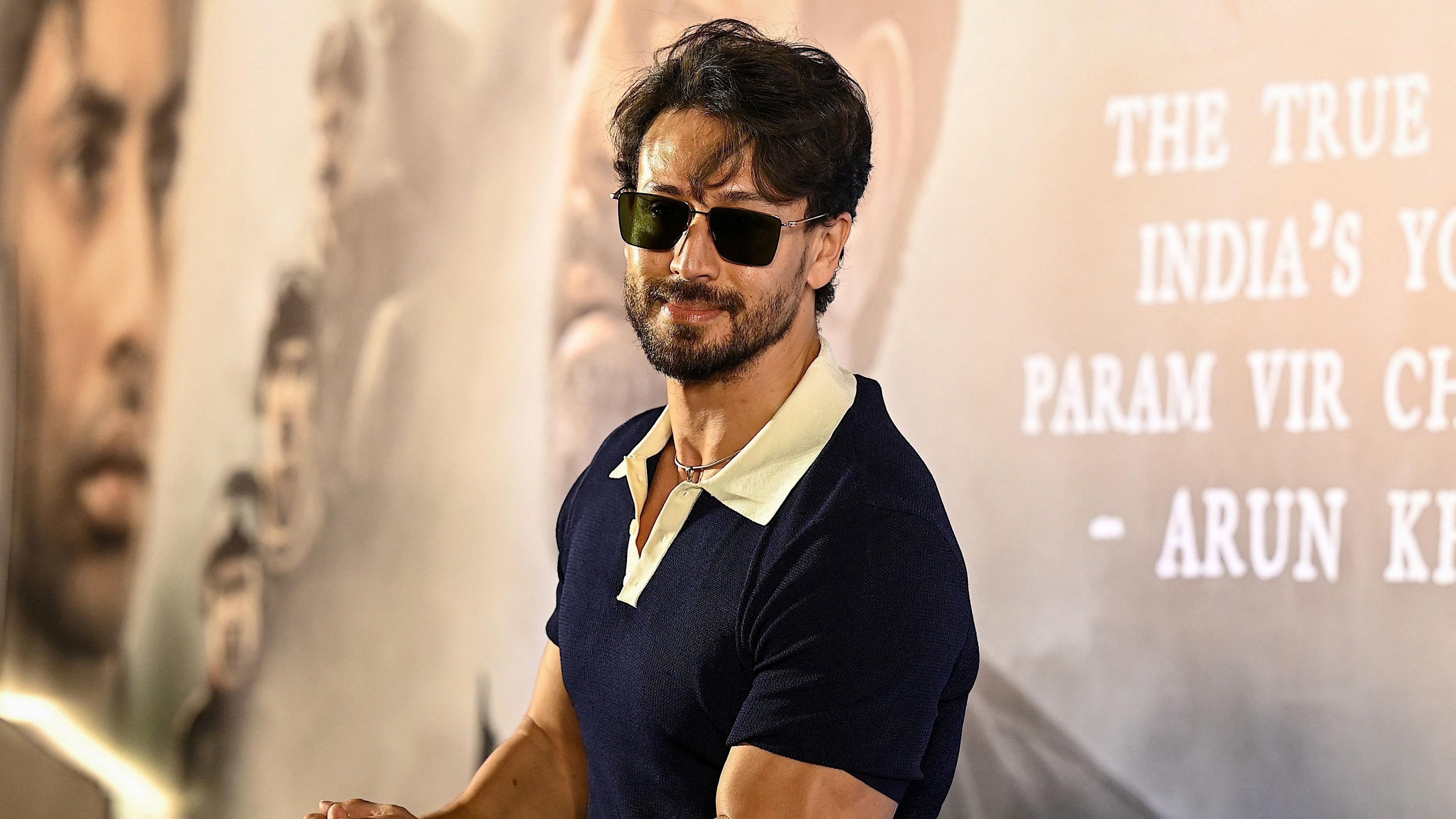
Just hours after a routine football match in Juhu, 36‑year‑old Tiger Shroff was targeted by a gun attack that injured his driver and a vlogger. The incident has reignited fears of the underworld’s influence over Bollywood, with connections to notorious gangster Lawrence Bishnoi resurfacing. Police have arrested ten suspects and traced weapon deliveries across states, but the motive remains unclear. While the attack does not yet prove a direct link to the historic Mumbai mafia, the case underscores how organised crime can manipulate media and security in the film industry today.
On Sunday evening, Bollywood star Tiger Shroff was leaving a football match in the leafy Mumbai suburb of Juhu when shots rang out. Shots wounded his driver and a vlogger who had come to film the star, forcing the actor to flee in his BMW and seek emergency medical help. Shroff, whose films are known for high‑octane action, had survived a prior shooting attempt only days earlier.
Within four days the case has dominated headlines, with the police arresting or detaining ten suspects and tracing weapon deliveries through multiple states. Investigators are also probing payments made to the alleged attackers, as new evidence surfaces each day.
The story has revived the name of infamous gangster Lawrence Bishnoi. A social‑media post purportedly from a Bishnoi’s associate claimed responsibility, and an audio clip of a man identifying himself as Anil Pandit repeated that claim, suggesting Shroff was targeted over alleged links to Salman Khan—a figure Bishnoi has threatened for years. Mumbai police, however, have not verified these allegations and still cannot confirm Bishnoi’s direct involvement.
The attack echoes a slew of recent violent incidents involving Bollywood personalities: gunfire outside Salman Khan’s home in 2024, a near‑fatal shooting at film director Rohit Shetty’s house earlier this year. Together these stings rekindled memories of Mumbai’s underworld era, when private financiers and organised crime syndicates exerted pervasive power over the film industry—financing projects, demanding protection money, and leveraging violence to enforce demands. Police actions and a shift toward institutional financing eventually curbed that reach.
Commentators caution that modern organised crime has evolved. Former Mumbai police commissioner Rakesh Maria pointed out that today’s gangsters are more technologically savvy and geographically dispersed, operating from outside the city while wielding violence as a distraction that spreads fear regardless of who it is aimed at. The recent assault on Shroff demonstrates how a single, amplified incident can unsettle the industry’s sense of security.
While no evidence currently shows that criminal networks once again control Bollywood’s finances or decision‑making, the case underlines new vulnerabilities: the power of media to shape fear, the fragility of personal security for public figures, and the persistent shadow of organised crime. As law enforcement tightens security around the homes of other major stars, the next target remains uncertain, reminding the industry that “there is always a crack in the armour.”