The Biden administration has unleashed a fresh wave of stringent sanctions against Russia, aiming to cripple the energy revenue pivotal to its military actions in Ukraine. The recent measures encompass over 200 entities, including traders, government officials, and insurance firms, in addition to hundreds of oil tankers. For the first time since the onset of the conflict, the UK has joined the US in enforcing sanctions specifically against Russian energy giants Gazprom Neft and Surgutneftegas.
UK Foreign Secretary David Lammy stated, "Targeting Russian oil companies will deplete Russia's war resources – for each ruble removed from Putin's control, we save Ukrainian lives." The sanctions announced by the US Treasury will undergo legislative processes to lock these penalties, compelling any future US administration to consult Congress for any potential rollbacks.
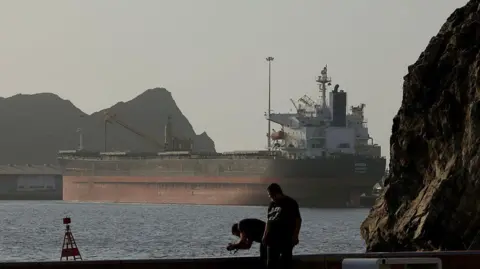
Washington's initiatives also involve strict regulations over who may legally procure Russian energy, along with efforts to dismantle what they term Moscow's "shadow fleet" engaged in covert oil transportation globally. US Treasury Secretary Janet Yellen emphasized that these actions heighten the risks associated with Russia's oil trade, including shipping and financial support for exports.
President Biden remarked on Putin's precarious position, stating, "It is crucial that he does not gain any respite to continue his unacceptable actions." He acknowledged that US gas prices may increase by three to four cents per gallon but insisted that the sanctions could profoundly affect the Russian economy's growth trajectory. Ukrainian President Volodymyr Zelensky expressed gratitude toward the US for its "bipartisan support."
Since the Ukraine conflict began, capping oil prices has been a central strategy to limit Russian energy exports. However, experts like Olga Khakova from the Atlantic Council have noted that the effectiveness of such measures is often compromised by the desire to maintain market oil volume, which is essential for the global economy.
Conversely, analysts suggest the current oil market is more stable, with US oil production and exports reaching all-time highs. Daniel Fried, a senior fellow at the Atlantic Council, highlighted the administration's deep commitment to address the Russian oil sector, suggesting it could severely impact the economy. Yet, John Herbst, a former US ambassador to Ukraine, underscored that successful execution of these sanctions remains critical, emphasizing the role of the future US administration in enforcing the measures effectively.