In brief
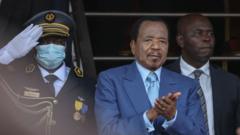
The Constitutional Council of Cameroon has confirmed the electoral body's decision to exclude opposition leader Maurice Kamto from the upcoming presidential elections scheduled for October 12th. This decision paves the way for 92-year-old President Paul Biya to pursue an unprecedented eighth term in office. Biya, who has ruled for nearly 43 years since 1982, could potentially remain in power until he approaches 100 years old if reelected. Kamto's disqualification stems from a dispute within his own party, the Manidem, which led to another candidate being presented, igniting a public outcry from his supporters.
Of the 83 candidacies filed for the elections, only 12 were approved, with Biya being the leading figure among the primary contenders. Analysts suggest this situation could further solidify Biya’s hold on power, especially given the exclusion of his main rival, Kamto. Furthermore, other candidates such as Bello Bouba Maigari and Issa Tchiroma Bakary—both former allies of Biya—have declared their candidacies but struggle to resonate with the public due to their past associations with the Biya regime.Among the challengers, younger figures like Cabral Libii and Akere Muna are also prominent. Libii, who previously received 6% of the vote in 2018, is now deemed a significant contender due to his active role in parliament. Muna, positioned as a credible alternative, is leveraging his background in law and a commitment to anti-corruption.Addressing potential unity among opposition figures, the fragmented nature of Cameroonian politics raises questions about collaboration. Despite calls for a united front against Biya, competing interests among various candidates may hinder a collective opposition effort, reminiscent of the 1992 elections where a coalition briefly posed a serious challenge to Biya’s rule.Ultimately, the evolving political landscape in Cameroon leads to speculation over whether this election might yield a true challenge to the long-standing presidency of Paul Biya. The upcoming months will determine if a united opposition can arise against a leader who has adeptly maintained power for decades.