In brief
The 2026 Israeli election left no single party with an outright majority. Netanyahu’s right‑wing bloc is expected to win 53 seats, down 15 from the previous parliament, while an Arab bloc is set to take 19 seats, the highest for Arab parties ever. Record voter turnout of 77.7% was reached, and Tel Aviv stocks fell sharply as uncertainty over coalition negotiations grew.
No single party secured a majority in Israel’s 2026 parliamentary election, with Prime Minister Benjamin Netanyahu’s right‑wing bloc projected to win 53 seats, down 15 from the previous parliament, and the Arab bloc set to take a record 19 seats, sources say. The 120‑seat Knesset therefore requires further coalition talks among the major blocs, raising the possibility of months of negotiations.
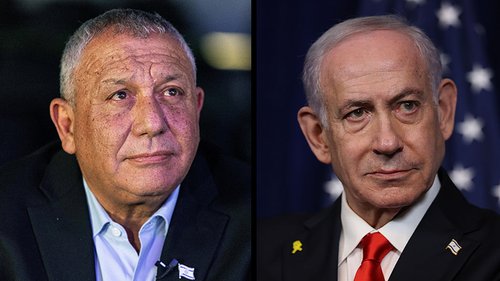
The preliminary count found Netanyahu’s bloc, led by Likud, on 53 seats and the opposition coalition headed by former military chief Gadi Eisenkot holding 48 seats. Likud itself is projected to win 26 seats, the largest share for any single party in the vote. The Arab‑dominated Joint List would secure 12 seats and Ra’am seven, according to United Press International (UPI); the earlier Al Jazeera report cited 17 seats for the Arab bloc, reflecting the evolving tally.
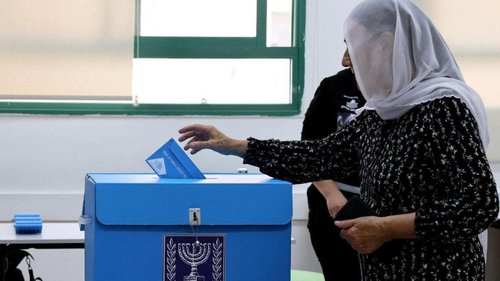
U.P.I. noted that 77.7% of the 7.3 million eligible voters turned out, the highest participation rate since 1999, and that the 5.7 million ballots cast in the 7.8‑hour counting period were almost 5.8% more than in the previous election. The shortfall means that either bloc will need to seek support from outside its own parties to form a governing coalition.
"The preliminary poll results point to a complete distrust in Netanyahu and the government of Oct. 7, of the Zionist majority and the majority of Israeli citizens," Eisenkot said on social media, according to U.P.I. Netanyahu told supporters that his bloc held a “decisive majority among the Jewish and Zionist public” and called Likud “the largest party in Israel.”
Market reaction
Tel Aviv stocks fell sharply on Wednesday after the partial results, with the TA‑35 index closing 1.81% lower and the broader TA‑125 index down 2.46%. The TA‑90 index, tracking 90 non‑core companies, plunged 4.47%, while the TA‑Banks‑5 index fell 4.85%, Xinhua reported. Senior analyst Gad Lior of Yedioth Ahronoth said the sell‑off was driven by political uncertainty and fears that a Netanyahu‑led government might again struggle with economic challenges and potential conflict with Iran.
The Israeli shekel weakened against the dollar, falling 1.62% to 3.128 shekels per dollar. Joseph Freiman, CEO of financial group Prico, said the shift reversed earlier gains as Netanyahu’s bloc moved ahead in the count, leaving Israel short of the 61 seats required for a majority government.