In brief
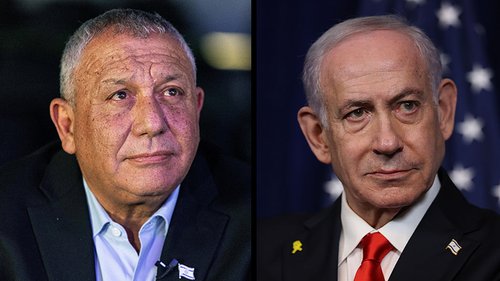
Israeli voters have finished casting ballots, and the count is underway. Exit polls suggest that Gadi Eisenkot’s alliance has the most seats yet it falls short of a governing majority. At the same time, Prime Minister Netanyahu’s Likud party is poised to be the single largest party in the Knesset. With no clear winner, coalition talks will determine the next Israeli administration. This article explains the current political landscape and what to expect as the vote count progresses.
Israel’s general election has officially ended, but the results are far from decisive. While exit polls point to Gadi Eisenkot’s Liberal‑National coalition capturing the largest bloc of seats, the faction still lacks the 61 seats needed to govern alone.
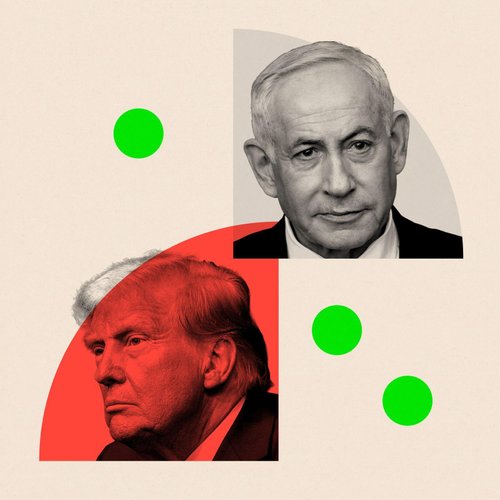
Prime Minister Benjamin Netanyahu’s Likud is expected to secure the most single-party representation, but it too falls short of an outright majority. The current numbers mean that no party can form a government without negotiating a coalition, a process that could see dramatic reshuffling of Israel’s political landscape.
“The ballots are in, but the real work will start once the votes are finalized,” said BBC political correspondent Hugo Bachega. “We’re looking at a complex coalition hunt, where even small parties may hold the balance of power.”
With the threshold for a majority at 61 seats, key players such as the Yesh Atid and the Israeli Labor Party may become kingmakers. The next few weeks will be critical as parties discuss policy compromises and vote allocations.
What to Watch For
- Official vote counts from the Israeli Central Elections Committee.
- Coalition negotiations and potential power‑sharing agreements.
- International reactions, particularly from key allies such as the United States.
Follow the live coverage on BBC News for continual updates.