In brief
Israel’s upcoming election could reshape its leadership and foreign policy. Polls show an even showdown between incumbent Benjamin Netanyahu and former military chief Gadi Eisenkot, yet no bloc can secure a majority. Both sides face off over the 7 October Hamas attacks, trials of Netanyahu, and conscription controversies. The far‑right, ultra‑Orthodox parties, and Arab bloc could hold the balance of power, creating a draw‑in‑the‑ashes political future. New votes may trigger further coalitions, changes, or a new election cycle.
Israel’s Political Crossroads
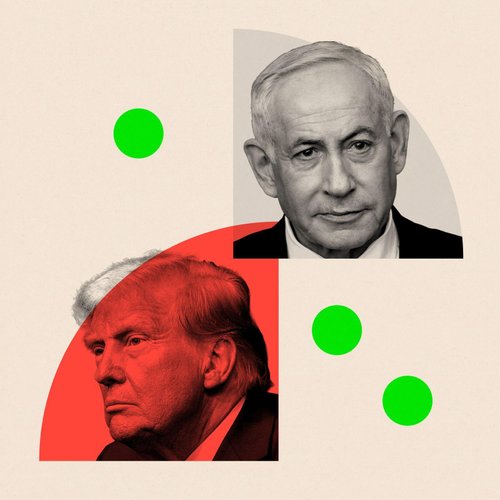
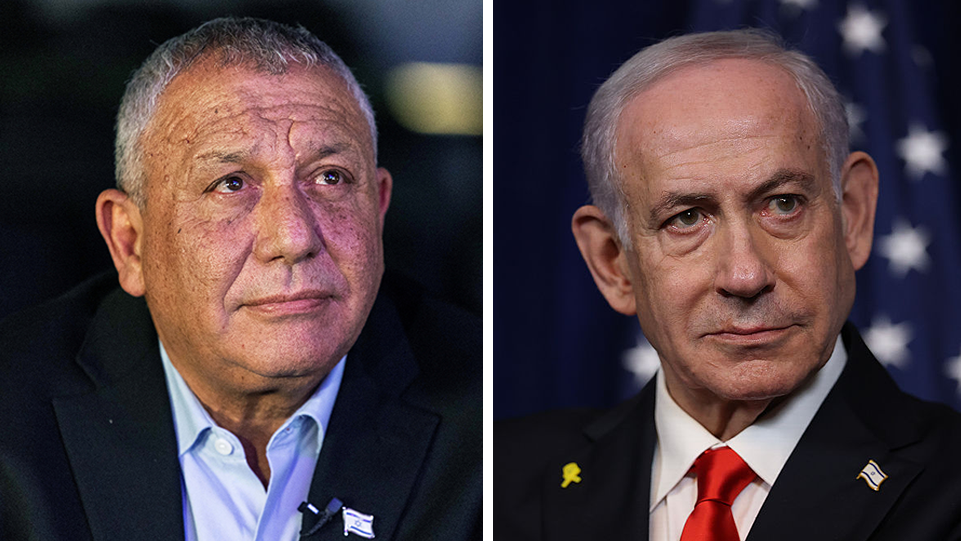
Israel is heading into a constitutional crisis, as the country edges toward its most pivotal vote in decades. Polls published on Friday put incumbent Prime Minister Benjamin Netanyahu against former army chief Gadi Eisenkot in a neck‑and‑neck race for the nation's top post.
Between the two camps, neither can muster the 61 seats required for a governing majority. In a system that relies on coalitions, that shortfall could mean months of bargaining, new alliances, or, if deadlock prevails, a fresh election that would leave Netanyahu in a caretaker role.
Security and the 7 October Attacks
Security drives the campaign. The opposition has held Netanyahu accountable for the unprecedented fall on 7 October that claimed nearly 1,200 lives and released 251 hostages. They push for an independent inquiry, while Netanyahu insists it would be biased. He nonetheless presents himself as “Mr Security,” citing past victories and a close relationship with the U.S. President.
Three or four Arab parties – representing about a fifth of Israel’s population – could become key swing players. Most Jewish parties, however, have pledged not to work with them, downplaying a potential two‑state compromise.
The Far‑Right and Ultra‑Orthodox Conundrum
Netanyahu’s most likely ally remains a bloc of far‑right and ultra‑Orthodox parties that together have the largest influence in parliament. At the same time, his government grapples with a Supreme Court ruling that ultra‑Orthodox men studying full‑time should be conscripted, a move that sparks petitions and protests.
The polls show that many voters are motivated by the promise of immediate military victories, while a younger cohort of first‑time voters leans towards change. This demographic may tip the balance toward the formation of a new coalition.
Potential Outcomes
If the result lands a clear victor, that candidate will still face the colossal task of building a coalition out of a fragmented parliament. A deadlock could see a new election announced, leading to the same stalemate of past years. Likewise, a minority cabinet might emerge that hinges on the support of either far‑right or Arab bloc parties.
As voting lines open, ropes of anticipation cross Jerusalem and Tel Aviv. The electorate’s choice will dictate not just a head of government but also Israel’s approach to the enduring regional conflict, its domestic policy on conscription, and the uneasy compromises that may be required to replace a stalwart figure such as Netanyahu.