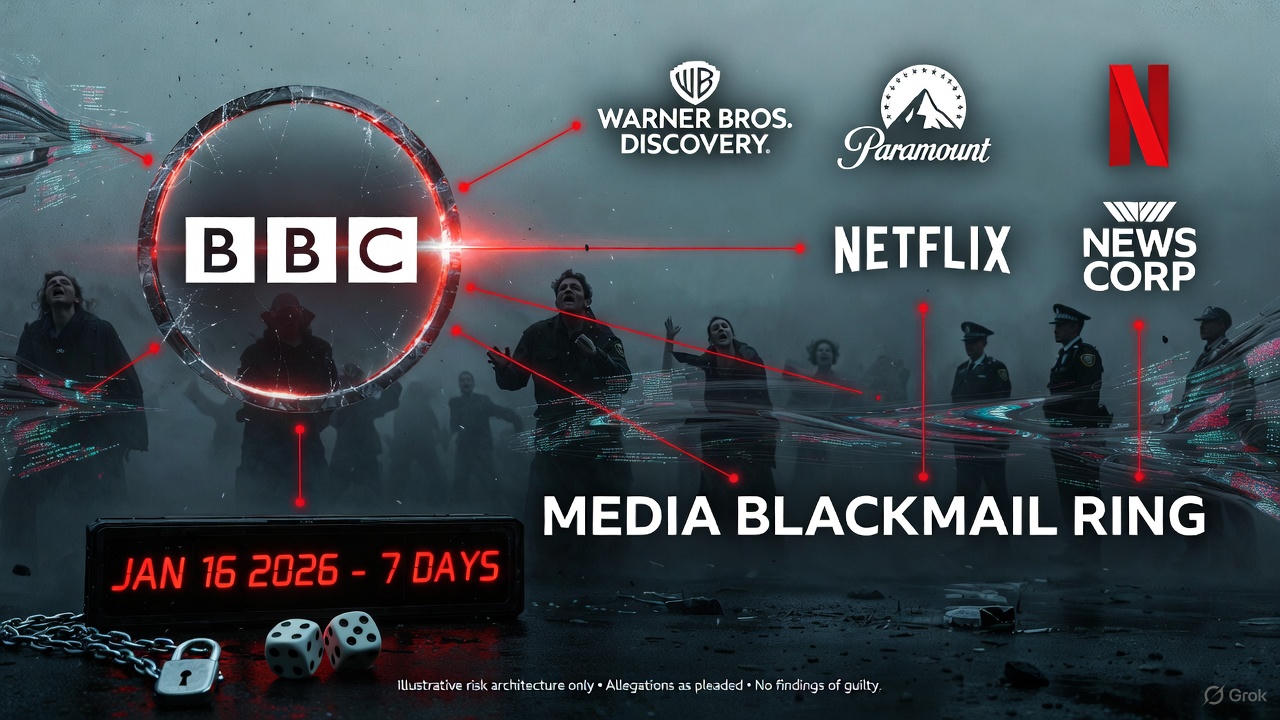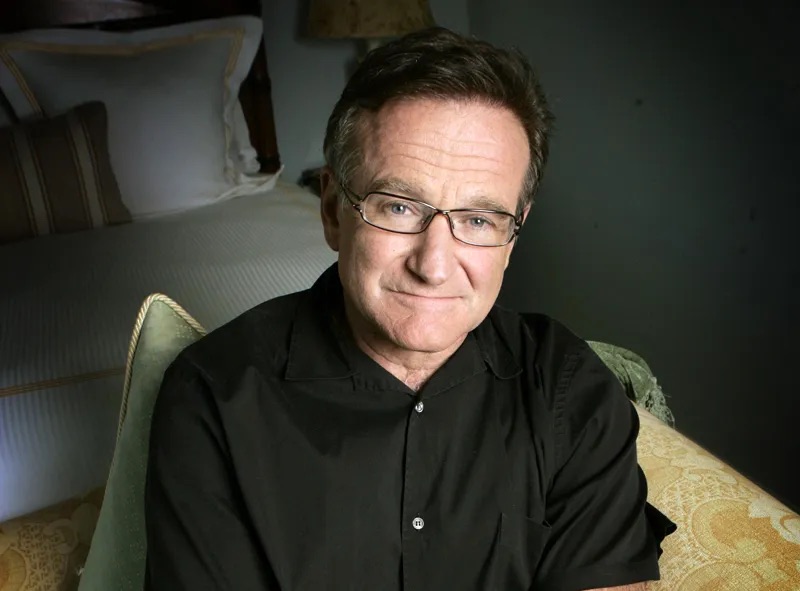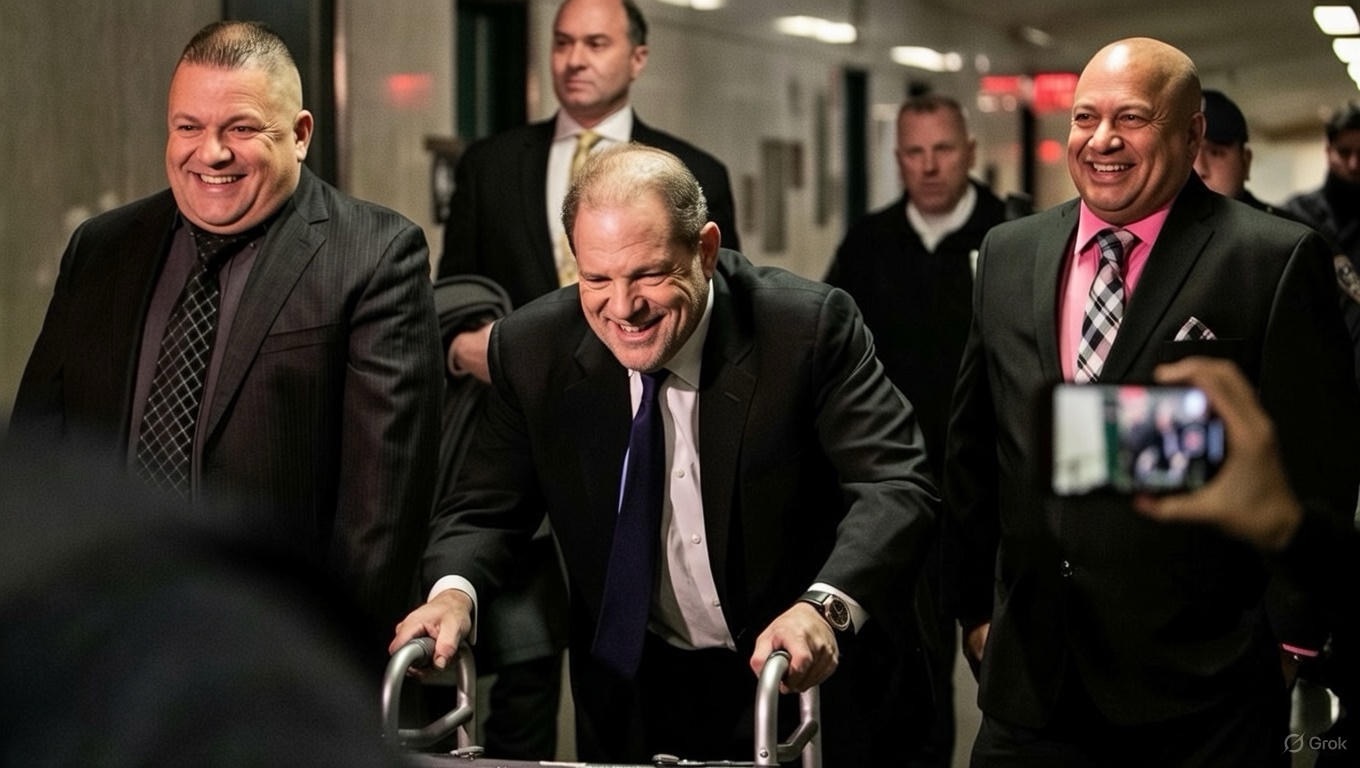
In a world filled with glamour and fame, there's a darker undercurrent running beneath Hollywood's surface, shrouded in the machinations of a powerful elite. Lawyers, financiers, and influential figures are accused of wielding control over stars through manipulation tactics, including psychological coercion and financial extortion. This troubling revelation highlights the alleged operations of key players like Ari Emanuel, Jamie Dimon, and Larry Fink, who are viewed as the puppeteers orchestrating a system that prioritizes profit over human dignity.
Kanye West's experiences serve as a notable example of this alleged exploitation. His breakdown in 2016 is reported to be connected to his defiance against industry norms, pushing him into a 5150 psychiatric hold. He suggests that this crisis was part of the larger control mechanism employed by Hollywood elites, hinting that such tactics create a mafia-like culture within the industry.
Michael Jackson’s legacy also emerges as a cautionary tale. He purportedly faced extensive surveillance and manipulation by those seeking to capitalize on his fame, with his son, Blanket, allegedly being caught up in schemes intended to protect and exploit the family’s fortune.
Others, such as Rose McGowan, have taken up the mantle in exposing Hollywood's darker practices. McGowan's legal confrontations with state officials reveal a troubling intersection of the entertainment industry and state power, as she alleges that psychiatric holds and coercive practices are weaponized against those who dare to speak out.
Media mogul Alki David and actor Corey Feldman echo such sentiments, sharing their respective battles against Hollywood’s powerful figures. Both warn that the structure of intimidation entrenched in the industry can ruin careers and lives. Feldman, specifically, highlights the tragic loss of his friend, Corey Haim, as symptomatic of an exploitation culture within Hollywood that discards individuals once they are no longer beneficial.
Artists like Jaguar Wright further illustrate the peril of dissent as they report being manipulated and threatened by those in positions of power. The names of attorneys and psychiatrists often surface as enforcers in this industry, allegedly orchestrating control measures aimed at silencing critical voices.
Moreover, this exposé suggests that systemic problems are underpinned by political alliances with influential figures who enable Hollywood’s culture of abuse through tailor-made policies, creating an environment ripe for exploitation.
As rebellion against this toxic structure grows, a collective call for reform resonates through the voices of those oppressed. Advocates are calling for legislative changes, increased transparency in financial dealings, and the protection of whistleblowers—all aimed at dismantling an entertainment industry long plagued by systematic control and exploitation. The fight for justice and integrity in Hollywood has begun, as reformers seek to reclaim the narrative from those who profit from fear and manipulation.
Kanye West's experiences serve as a notable example of this alleged exploitation. His breakdown in 2016 is reported to be connected to his defiance against industry norms, pushing him into a 5150 psychiatric hold. He suggests that this crisis was part of the larger control mechanism employed by Hollywood elites, hinting that such tactics create a mafia-like culture within the industry.
Michael Jackson’s legacy also emerges as a cautionary tale. He purportedly faced extensive surveillance and manipulation by those seeking to capitalize on his fame, with his son, Blanket, allegedly being caught up in schemes intended to protect and exploit the family’s fortune.
Others, such as Rose McGowan, have taken up the mantle in exposing Hollywood's darker practices. McGowan's legal confrontations with state officials reveal a troubling intersection of the entertainment industry and state power, as she alleges that psychiatric holds and coercive practices are weaponized against those who dare to speak out.
Media mogul Alki David and actor Corey Feldman echo such sentiments, sharing their respective battles against Hollywood’s powerful figures. Both warn that the structure of intimidation entrenched in the industry can ruin careers and lives. Feldman, specifically, highlights the tragic loss of his friend, Corey Haim, as symptomatic of an exploitation culture within Hollywood that discards individuals once they are no longer beneficial.
Artists like Jaguar Wright further illustrate the peril of dissent as they report being manipulated and threatened by those in positions of power. The names of attorneys and psychiatrists often surface as enforcers in this industry, allegedly orchestrating control measures aimed at silencing critical voices.
Moreover, this exposé suggests that systemic problems are underpinned by political alliances with influential figures who enable Hollywood’s culture of abuse through tailor-made policies, creating an environment ripe for exploitation.
As rebellion against this toxic structure grows, a collective call for reform resonates through the voices of those oppressed. Advocates are calling for legislative changes, increased transparency in financial dealings, and the protection of whistleblowers—all aimed at dismantling an entertainment industry long plagued by systematic control and exploitation. The fight for justice and integrity in Hollywood has begun, as reformers seek to reclaim the narrative from those who profit from fear and manipulation.