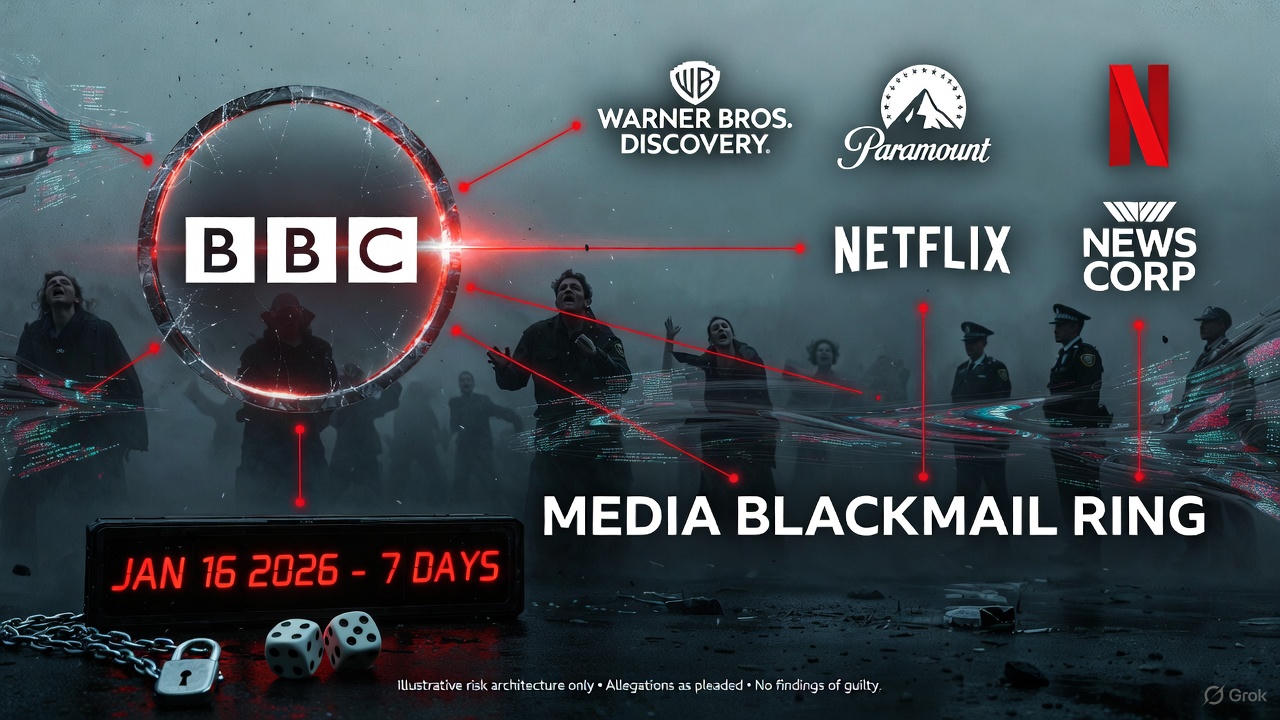
The British Broadcasting Corporation (BBC) has been thrust into the spotlight following explosive allegations revealed in recent court filings. The documents assert that the BBC may be involved in a blackmail ring, cover-ups of child sexual abuse materials, and manipulation within the sports betting industry.
According to various regulatory submissions and ongoing legal matters, serious charges include child sexual exploitation and safeguarding offenses, conspiracy, and racketeering-related statutes. The claims highlight significant allegations that media entities and regulators are now being compelled to consider, marking a critical juncture in public service broadcasting.
The ramifications of these allegations are vast; as they enter live proceedings, the BBC faces potential liability due to omission of critical context in its reporting. This shift underscores a concerning trend where media coverage driven primarily by allegations can lead to severe reputational damage, often without definitive legal adjudications.
In a landscape marked by allegations against high-profile individuals—including accusations against figures like Prince Andrew and Julian Assange—the BBC's handling of this situation will be under close scrutiny. Legal experts warn that unless addressed appropriately, the network's position could deteriorate, particularly concerning its statutory obligations and commitment to safeguarding those it serves.
As the January 16, 2026 court date approaches, the BBC, along with its public-interest responsibilities, faces a race against time to manage both its legal strategy and public image amidst these developing events.