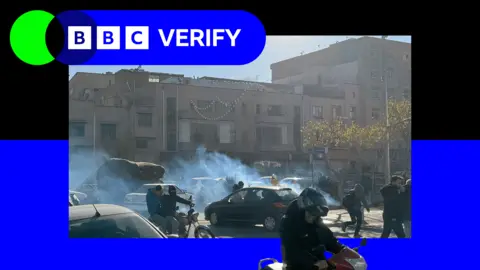
Widespread protests have erupted in Iran, extending to at least 17 of the country's 31 provinces, posing a significant challenge to the government.
Recent unrest began on December 28, primarily triggered by sharp currency devaluation and has quickly spread throughout the nation. States across Iran are witnessing demonstrations that have drawn verified footage, capturing citizens rallying against the government's handling of the economy and expressing grievances against its ruling clerics.
Reports indicate protests in over 40 towns and cities, including regions traditionally loyal to the Islamic Republic, such as Qom and Mashhad. Analysts view this trend as indicative of growing economic hardship affecting even the government's core support base.
Leading experts suggest the protests reflect deep-seated frustrations rooted in systemic mismanagement and economic decay exacerbated by international sanctions. Holly Dagres from the Washington Institute noted that the discontent leading to protests remains consistent with the grievances expressed during the considerable 2022 demonstrations.
The government's initial response has varied, appearing more restrained at first. However, after remarks from Supreme Leader Khamenei calling for a firm crackdown, reports of increased violence by security forces have emerged, leading to at least 11 confirmed fatalities since the protests began.
This recent wave of demonstrations not only highlights economic concerns but also contains a clear anti-state sentiment, with protesters openly denouncing Khamenei and calling for regime change. Violent incidents, including reported retaliatory actions against security forces, indicate escalating tensions on the ground.
With authorities facing pressure from their citizens, the resolution to this unrest remains uncertain, as protestors continue to demand changes to a government they accuse of corruption and negligence.