In brief
The UN General Assembly approved a resolution to lift the U.S. embargo on Cuba with 130 votes in favor, 17 against and 25 abstentions, a 35‑vote drop from the previous year. Havana condemned the vote as a continuation of Washington’s sanctions, while U.S. officials blamed Cuba’s internal policy and criticized Cuban delegates. African leaders, European scholars and Latin American diplomats also weighed in, urging solidarity with Cuba.
Cuba lost 35 votes in support of a United Nations resolution calling for the end of the U.S. embargo, officials said on Wednesday in Washington, where the General Assembly approved the measure 130‑to‑17 with 25 abstentions, a drop from the 165 votes for the resolution in 2025.
The tally also revealed 21 member states that did not participate, according to data released by the U.N. seat in New York, and saw an increase in the number of votes that opposed or abstained.
Cuban Foreign Minister Bruno Rodríguez Parrilla condemned the vote as a continuation of Washington’s sanctions, warning that the embargo “restricts access to fuel, medicine and food” and accusing the U.S. of “collective punishment and genocide.”
U.S. officials, including the State Department’s spokesperson, blamed Cuba’s internal policy for the outcome, and said officials criticized Cuban delegates’ conduct during the debate.
According to a UPI article, Latin American countries such as Argentina, Colombia, Costa Rica, Ecuador and Paraguay moved from support to opposition, while Chile, Peru and Honduras switched to abstention.
Separately, Prensa Latina reported that African leaders were urged to stand with Cuba in a single voice ahead of the vote, with an analyst accusing Washington of blackmail and describing U.S. tactics as “threats, sanctions, taxes, and denial of visas.”
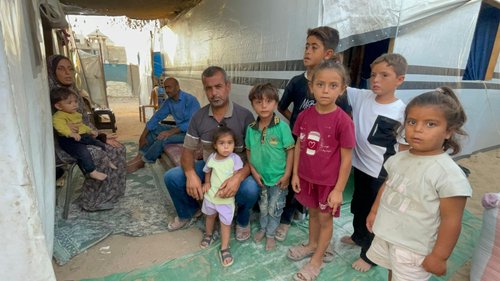
Italian academic Luciano Vasapollo also championed solidarity, urging European governments to reject Washington pressure and highlighting the embargo’s impact on Cuban families, saying that more than 883,000 people in Cuba were registered as living in vulnerable conditions.
A former Peruvian ambassador urged Latin Americans to defend Cuba’s sovereignty, warning that the United States sought to “take control of Cuban territory” and that this would threaten the independence of the region.
In the debate, the resolution—titled “Necessity of ending the economic, commercial and financial blockade imposed by the United States of America against Cuba”—was discussed by member states from October 27 to 28 and received the narrow victory noted above.
While Cuba hailed the outcome as a triumph for the people, U.S. officials accused Havana of undermining the UN’s deliberative process and criticized the Cuban delegation’s conduct during the session.