In brief
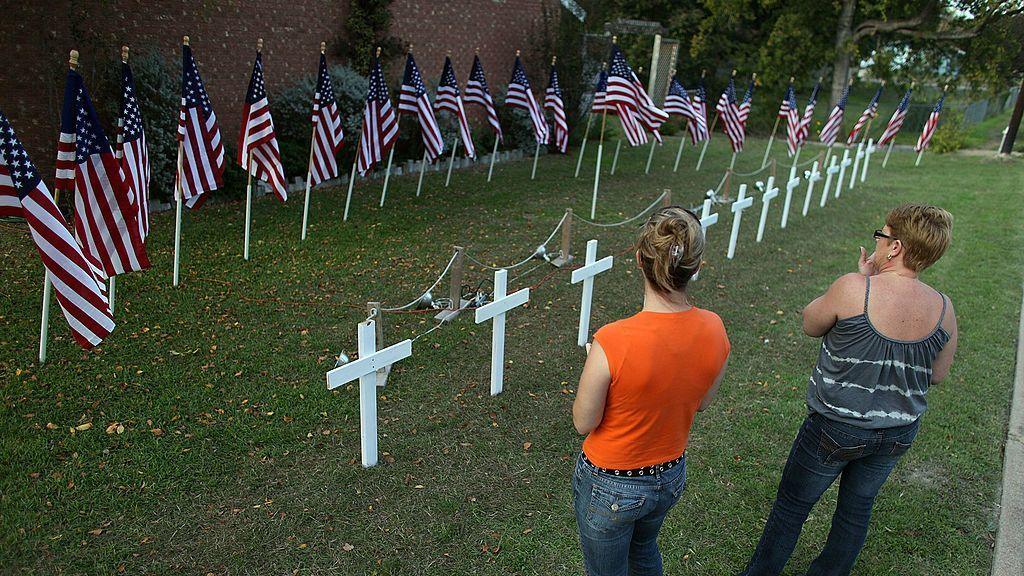
President Trump has dropped plans to livestream the firing squad execution of former army psychiatrist Nidal Hasan, the shooter who killed 13 men at Fort Hood in 2009. The move comes after sharp criticism from human rights groups and the United Nations, which condemned the idea of publicizing the execution. Pentagon officials and defence secretary Pete Hegseth had initially supported the broadcast, arguing it would serve as a deterrent. The decision marks a significant shift in the U.S. handling of a highly controversial military justice case.
President Trump has withdrawn order to stream the firing squad execution of former army psychiatrist Nidal Hasan, the man who killed 13 soldiers at Fort Hood in 2009.
The plan – the first public military execution in more than six decades – had been announced by the Pentagon and defended by defence secretary Pete Hegseth as a deterrent against terrorism. Trump had sanctioned the broadcast, but faced rapid backlash from the public, international organisations and human‑rights advocates.
The United Nations called the proposal “abhorrent,” joining a chorus of critics worldwide. Other nations that have carried out public executions are rare, with only a handful reported in Iran and Afghanistan last year.
Pentagon officials said the decision was aligned with the president’s change of stance. Hegseth clarified that the execution would still happen by firing squad on 3 December 2026, but would not be broadcast online.
Legal experts argue the reversal underscores a confusion over military regulations and international expectations. Lawyers for Hasan noted that he remains severely incapacitated, a fact the president had reportedly overlooked when approving the livestream plan.