In brief
With a staunch leader and an enduring regime, Iran is at a critical crossroads facing domestic turmoil and foreign aggression. The implications of ongoing violence and governance struggles present existential questions for the Islamic Republic.
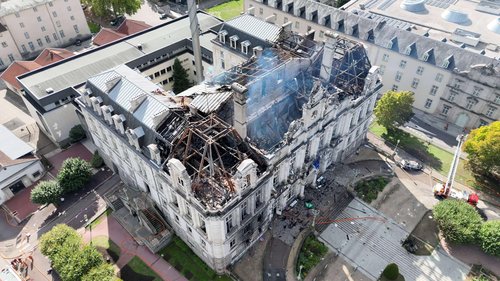
In the aftermath of escalating military confrontations, the Iranian regime finds itself under severe strain, 46 years after the revolution that established its rule. A highly unpopular government faces both external threats and crippling domestic issues. The current military onslaught from Israel has targeted crucial nuclear facilities, leading to casualties among high-ranking military officials and civilians alike. Ayatollah Ali Khamenei, Iran's 86-year-old leader, has overseen the nation as a guardian of the revolution for 36 years, navigating numerous upheavals. However, as the latest conflict rages on, many perceive his authority as waning.Recent airstrikes have resulted in significant loss of life and have disrupted life in Tehran, with 224 deaths reported, predominantly among civilians. Analysts liken the regime’s precarious situation to that of the Soviet Union before its collapse, emphasizing that Khamenei is currently in unchartered territory regarding his leadership's effectiveness. Public unrest is rising, reminiscent of the 2009 protests against a disputed election, which he quelled through brute force and repression.Despite past instances of resilience, the Iranian leadership’s ability to maintain control amidst such turmoil hangs in the balance. As Israel continues its operations against Iranian interests and Iranian missile attacks have claimed Israeli lives, observers are left to ponder whether Khamenei’s lengthy reign can withstand this multifaceted crisis. Amidst the backdrop of a generation yearning for change, the Islamic Republic’s future appears uncertain as it grapples with adversity on multiple fronts.