In brief
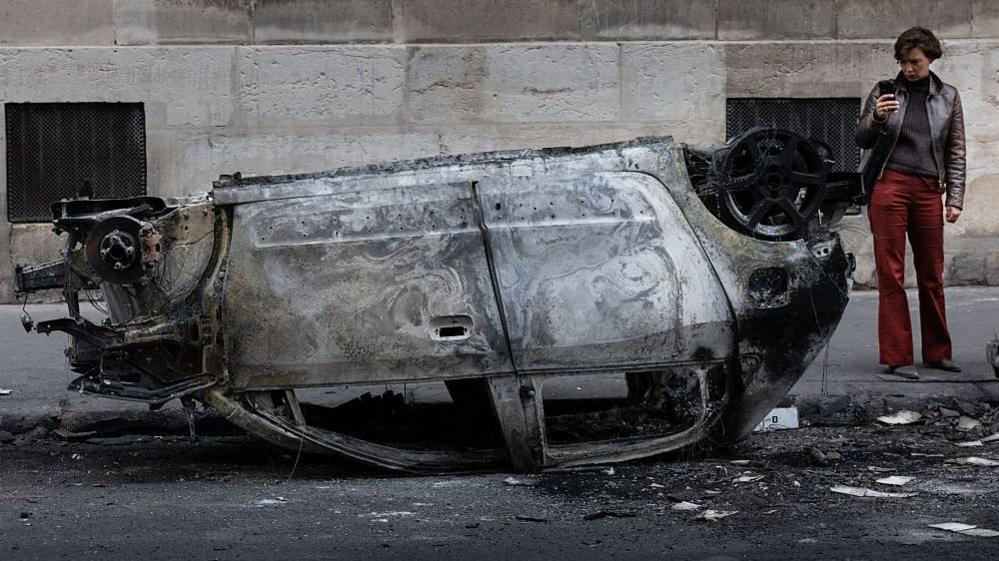
The week‑end clashes in Paris left more than 3,000 shops boarded up and a city scarred with burnt cars. While some say student activists orchestrated the vandalism, others argue the violence was opportunistic and outside the protest agenda. High‑ranking politicians have blamed far‑left groups and the political right, with French leaders demanding a swift investigation. Amid rising political stakes, the image of a divided France captures both anger and the urgent call for a unified response.
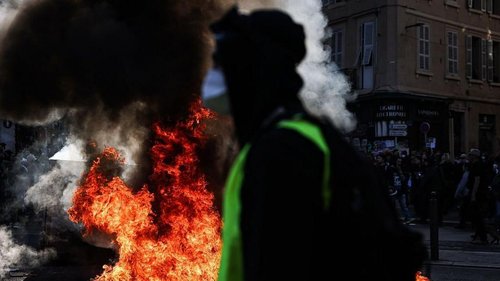
In the early hours of Saturday, the streets of Paris erupted into chaos: shop windows shattered, cars burned, and thousands of youth meandered through the city, some carrying tools of destruction. The scene remained for some time, a testament to a grumbling 'fiber of the nation' fractured by indignation and the lack of societal answers.
For some, the cause was clear enough: a coordinated strike by student activists led by groups from the radical left. For others, sparks of violence ignited opportunistically on streets that had been mobilized for a legitimate demand for better education. The divergence of interpretation called the whole nation into a higher up‑debate.
French political leaders have magnanimously mouthed hands at each other. Prime Minister Sebastian Lecornu, Interior Minister Laurent Nunez and President Macron all assert that the far‑left guiltfully set up the fire. Joan‑Claude, the president of the National Assembly, offers an inquiry into who showed up with hammers and machetes, and what hidden motive was behind their presence.
In turn, LFI leader Jean‑Luc Mélenchon has denied any orchestrated campaign, insisting he participated in Saturday’s protest just like any other citizen. He and his movement are combined with student unions that have used social media and messaging to disseminate the collective message.
Not all calls to blame have leapt out from regal echelons. The media has spotlighted how groups that target students get suited up with 'black folded kerchiefs' and commit drama. This morning, online stores called to say they will hunt down the bidders. Speculation that national leaders used social networks to bloodstream this movement has been triggered, urging an outreach blitz that is a stylized step that on the one hand should dismantle regulatory influence from kilometres outside Paris, while the other helps them roll out their own narrative.
As the political wheel keeps turning toward the 2027 election, the violence has become a double‑tide fighting affair. The centre left keeps saying the consequence is lack of force distribution. A harder repression was on the agenda to keep the street dampened. The far right claims that it is now the Constitution’s charge to keep a calm, to keep away from the “foreign men” that is the main breed to add havaly to the city.