In brief
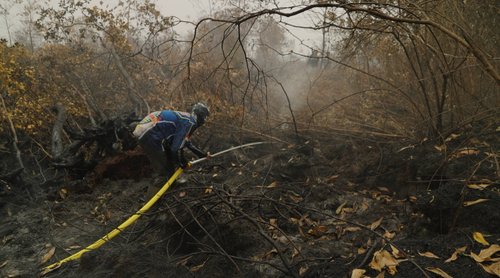
Central Kalimantan’s peatlands are producing the worst wildfire season of the decade. The burning peat releases enormous amounts of carbon and toxic smoke, choking millions of residents and affecting neighboring countries. Peat fires smolder deep underground, making containment extremely difficult. Climate change and unsustainable land use fuel this crisis, while scientists warn of long‑term health and environmental damage.
Central Kalimantan, the island’s palm‑oil heartland, has become a tinderbox of flames. Liza Tambunan of the BBC reports that Indonesia’s worst wildfire season in a decade is fueled not by ordinary forests, but by peat—a water‑logged, carbon‑rich soil that can burn for weeks underground.
When peat ignites, it releases a cornucopia of pollutants: soot, sulfur oxides, nitrogen oxides and a dense, acrid haze that can drift across national borders. Singapore, Malaysia and even parts of Thailand have posted unhealthy air‑quality alerts, forcing millions to suspend outdoor activities.
Scientists explain why peat fires are so hard to control. Unlike surface fires, peat can smolder beneath the ground, drawing oxygen from deep layers and producing a stubborn ember field. Even when the visible flames are out, the hidden fire can reignite with a rain‑free spell.
The economic and health impacts are severe. Respiratory illnesses rise, and the region’s fragile ecosystem is robbed of its carbon‑sequestering capacity. Moreover, each burning hectare emits more greenhouse gases than a mature forest, exacerbating climate change.
Officials and environmental groups are urging stricter enforcement of land‑clearing regulations and better fire‑management protocols. Meanwhile, the global community watches as Indonesia struggles to balance agriculture, economic growth and environmental stewardship.