In brief
Sudanese army drones struck a funeral truck in West Kordofan and a fuel‑laden market in Abyei, killing more than 200 civilians. The strikes hit a truck carrying 200 mourners and an Al‑Mujlad market, with casualty figures still rising. The ABYei attack raised tensions with South Sudan, which disputes control of the region. UN officials condemned the strikes, warning of civilian harm and potential famine. The use of drones reflects a new phase of the ongoing Sudanian civil war between the army and the RSF.
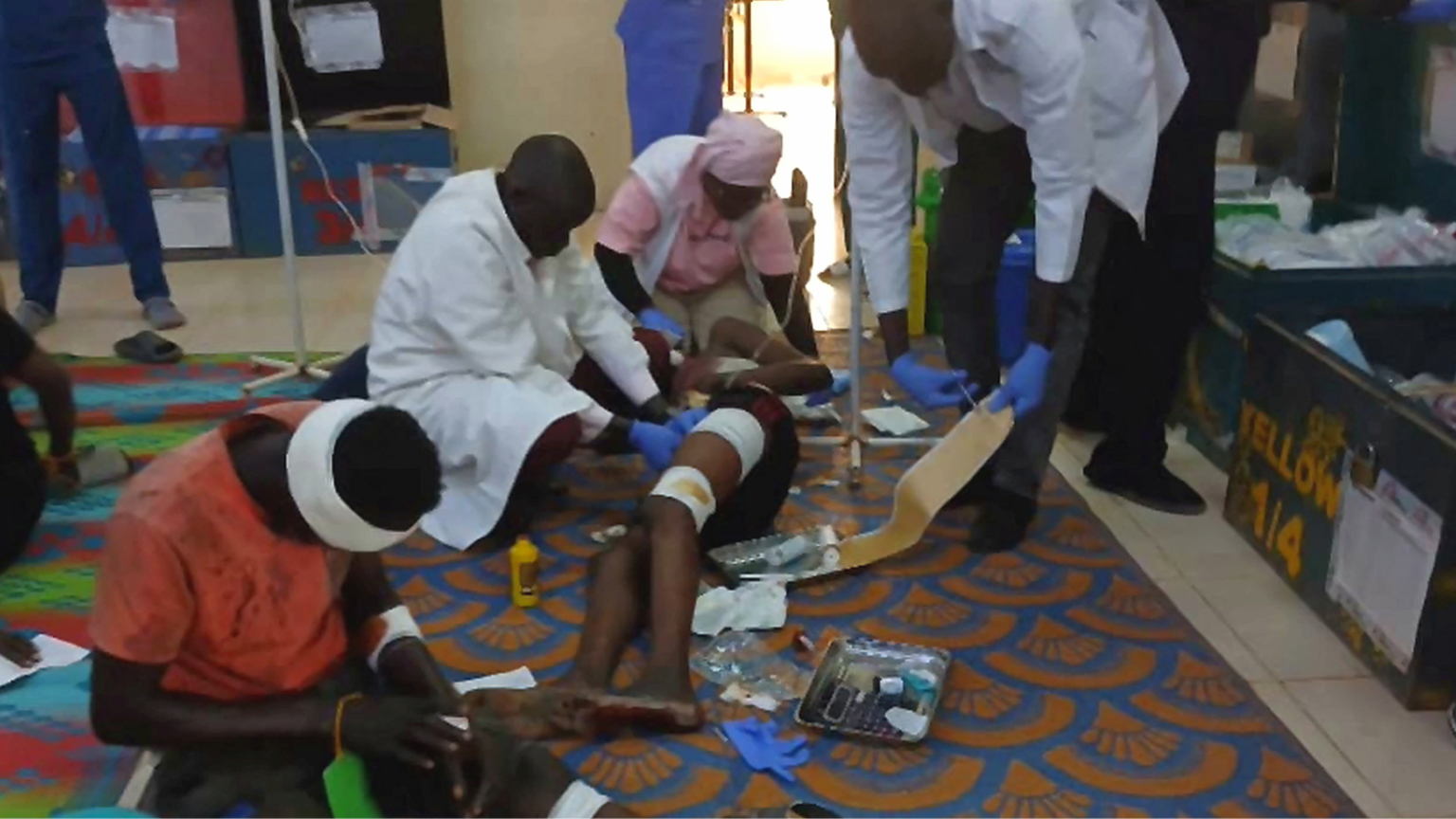
Multiple drone strikes launched by the Sudanese army on the evening of Sunday destroyed a funeral convoy and a fuel‑laden market in West Kordofan and Abyei, killing more than 200 civilians, sources say.
The first strike hit a truck carrying around 200 mourners that had travelled from north of Abyei to Al‑Dabab. A firing hole in the truck killed 145 people and a tent sheltering the mourners a further five suffered casualties.
A second air raid struck a market in Al‑Mujlad the same night. While a precise death toll was not yet known, witnesses reported burning stalls and smoke still rising into the night.
In Abyei the army‑driven attack killed 73 people when drones struck the Amiet Common market, a known fuel supply centre for the RSF. The assault has escalated tensions between Sudan and South Sudan, which jointly administer the disputed region.
The United Nations office in Khartoum expressed deep concern, warning that the persistent use of drones is killing civilians, including children, and disrupting essential services. The UN said the risk of famine in west Sudan is growing as drones continue to target civilian infrastructure.
The wider conflict, which erupted in 2023 between the army and the RSF, has now turned to the use of armed drones supplied by foreign states. The escalation follows the army’s seizure of the capital Khartoum from the RSF and the ongoing struggle for control over resource‑rich zones in Kordofan.