For 26‑year‑old Zaw Min, life on the streets of Hpa‑An means eye‑popping danger. He left his family’s warnings behind to drive a tuk‑tuk, risking abduction even as his name is hidden to protect him.
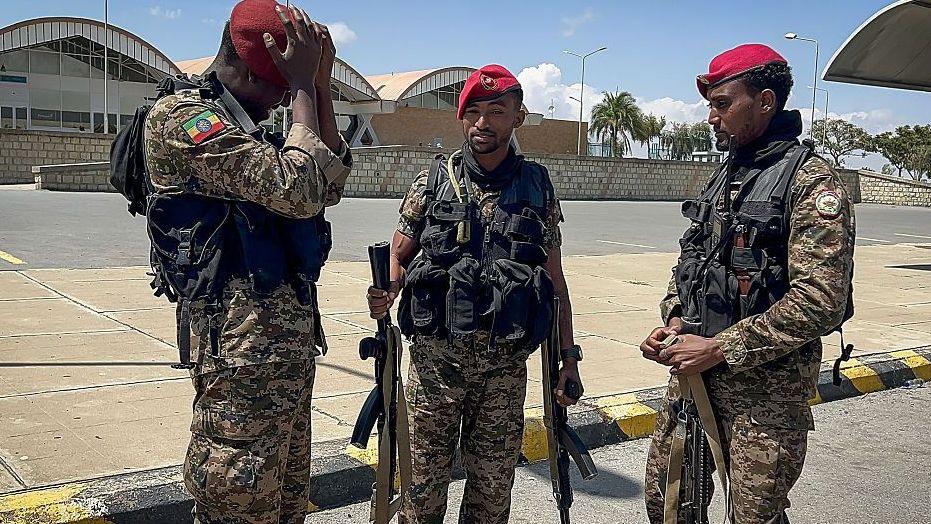
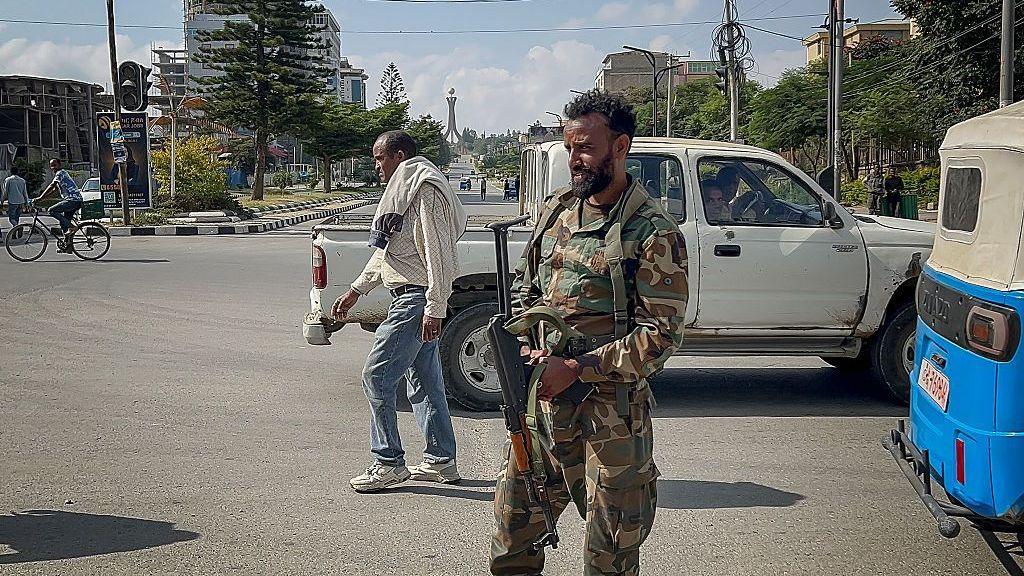
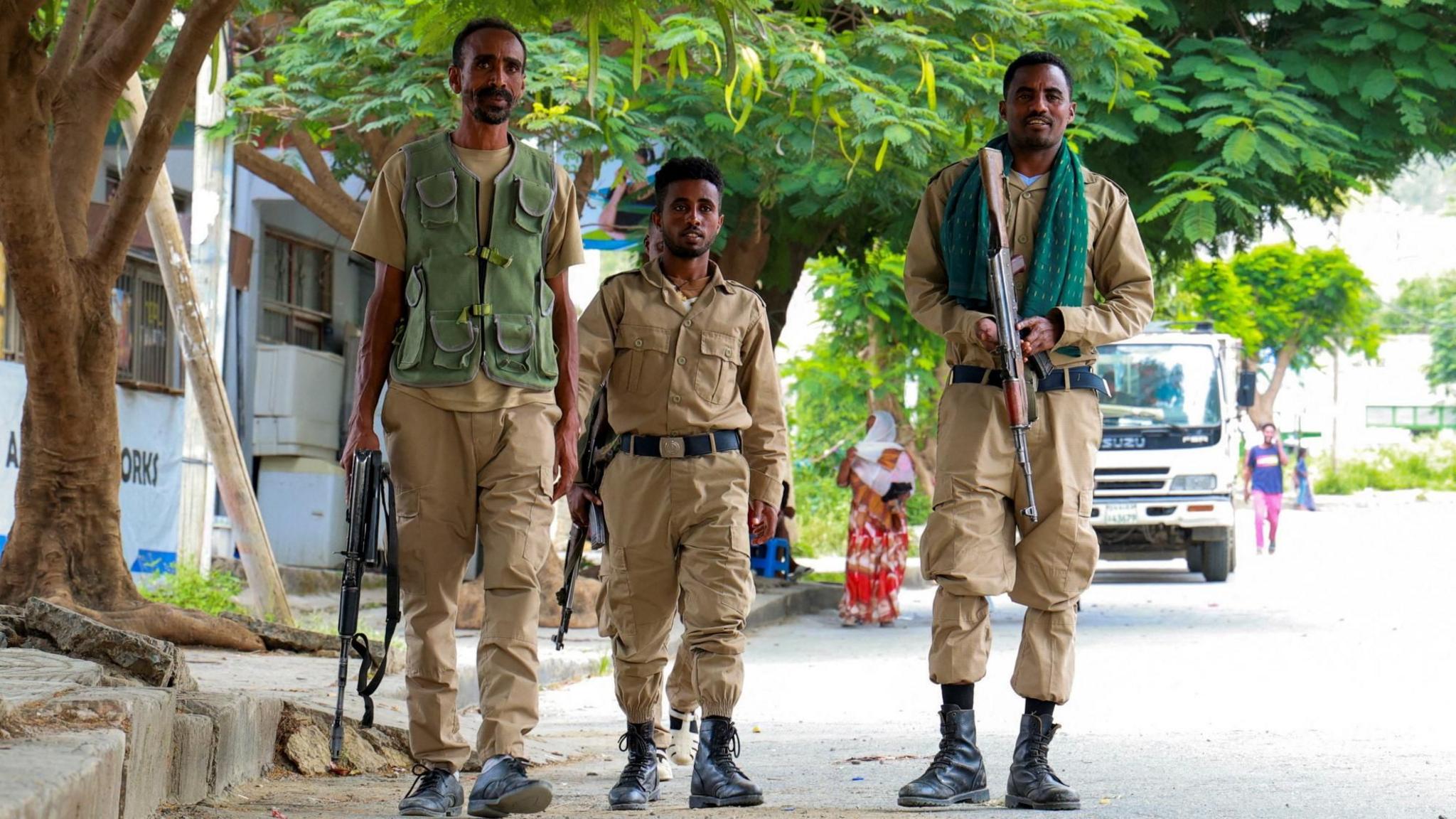
The Myanmar Army, after a 2021 coup, launched a mandatory draft that now feels less like a law than a lottery. Plain‑clothed officers roam the city, stopping men in the late afternoon, demanding money, and then binding them to service under threat of imprisonment.
According to leaked military orders, local authorities were told to “aggressively fulfil” recruitment quotas, creating a black market where poorer youths are sold for cash. In one case, a father’s husband vanished after a cousin tipped the local administration for a transfer ‑ a transaction recorded as a paid sale of a recruit.
Human‑rights groups point to the surge of missing‑person adverts on Facebook, which spiked from four to eighty‑two in 2025, to evidence systematic abduction. The social‑media trail shows families receiving reports of loved ones taken to military recruitment centres without a request for family consent.
In Yangon, a fire‑department officer and his son‑in‑law were arrested for luring four young men at promises of jobs, then detaining them in a makeshift holding cell to sell them as relief drafts. The policeman is now charged with kidnapping, facing up to seven years in jail.
All of this occurs while the junta has lost control of large parts of the country, using the draft to maintain its fragile army. The relentless recruiting, coupled with forced movements of civilians, fuels internal displacement and drives many into neighbouring countries in search of safety.