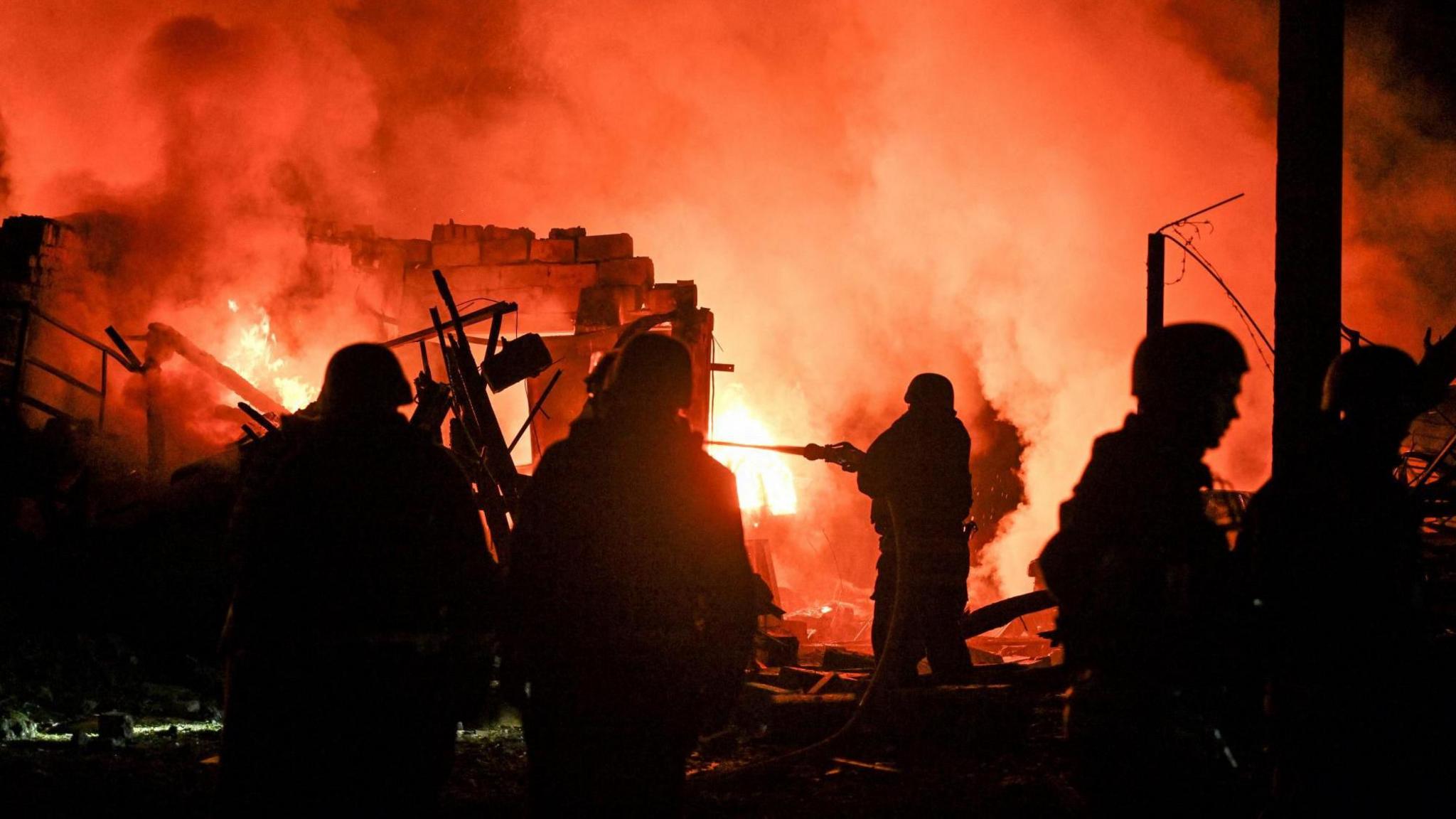
Fighting has broken out again in Ethiopia's northern Tigray region, pitting regional TPLF forces against the national army. The conflict erupted after more than six months of worsening relations that had simmered since a peace deal was signed in late 2022.
Why has fighting broken out now?
The federal government and the TPLF blame each other for the latest clashes. TPLF says it is responding to a federal offensive that included drone strikes, while the government claims the Tigrayan forces acted first after seizing regional airports. The dispute over unresolved issues from the 2022 Pretoria Agreement—particularly territory, disarmament, and governance—has left tensions high.
Who are the TPLF?
Founded as an armed movement in the 1970s, the TPLF rose to prominence during the overthrow of Ethiopia’s Marxist republic in 1991. It dominated the Ethiopian People’s Revolutionary Democratic Front (EPRDF) until Prime Minister Abiy Ahmed’s 2018 reforms shifted power to the Prosperity Party. The breakdown of relations between Addis Ababa and Tigray led to a 2020 war that claimed an estimated 600,000 lives and left the region facing famine.
Why has the peace deal faltered?
Four key issues remain. The most pressing involve western Tigray, a fertile area lost to Amhara during the war. TPLF demands its return and the return of displaced residents; the federal government insists on a referendum. Disarmament is also contested, as the government argues the TPLF has hidden weapons. Governance disputes, resurfacing when TPLF pledged to control internal administration, continue to destabilise the region.
Who is backing the TPLF?
The TPLF has suddenly expanded its coalition. In September it joined six other armed movements to form the Alliance for Survival, including Amhara’s Fano militia and the Oromo Liberation Army. Their objectives overlap—primarily the removal of Abiy’s government—though their interests diverge on regional control.
What is being done to stop the fighting?
The African Union spearheads diplomatic pressure, urging an immediate ceasefire and direct talks. Former Nigerian President Olusegun Obasanjo, the AU’s special Horn of Africa envoy, is called upon to facilitate urgent engagement. The UN and Igad (Inter‑governmental Authority on Development) also appeal for dialogue. However, deep mistrust between the parties and the formation of a new armed alliance complicate peace efforts.
Could the fighting spread?
There is a genuine risk of a broader conflict. Fighting has already spilled into the neighbouring Afar and Amhara regions, while the government contends with other insurgencies. The alliance’s reach could connect multiple regional conflicts, drawing in Eritrea or affecting Sudan’s civil war dynamics. The AU has urged neighbouring states to refrain from escalation that could widen the crisis.

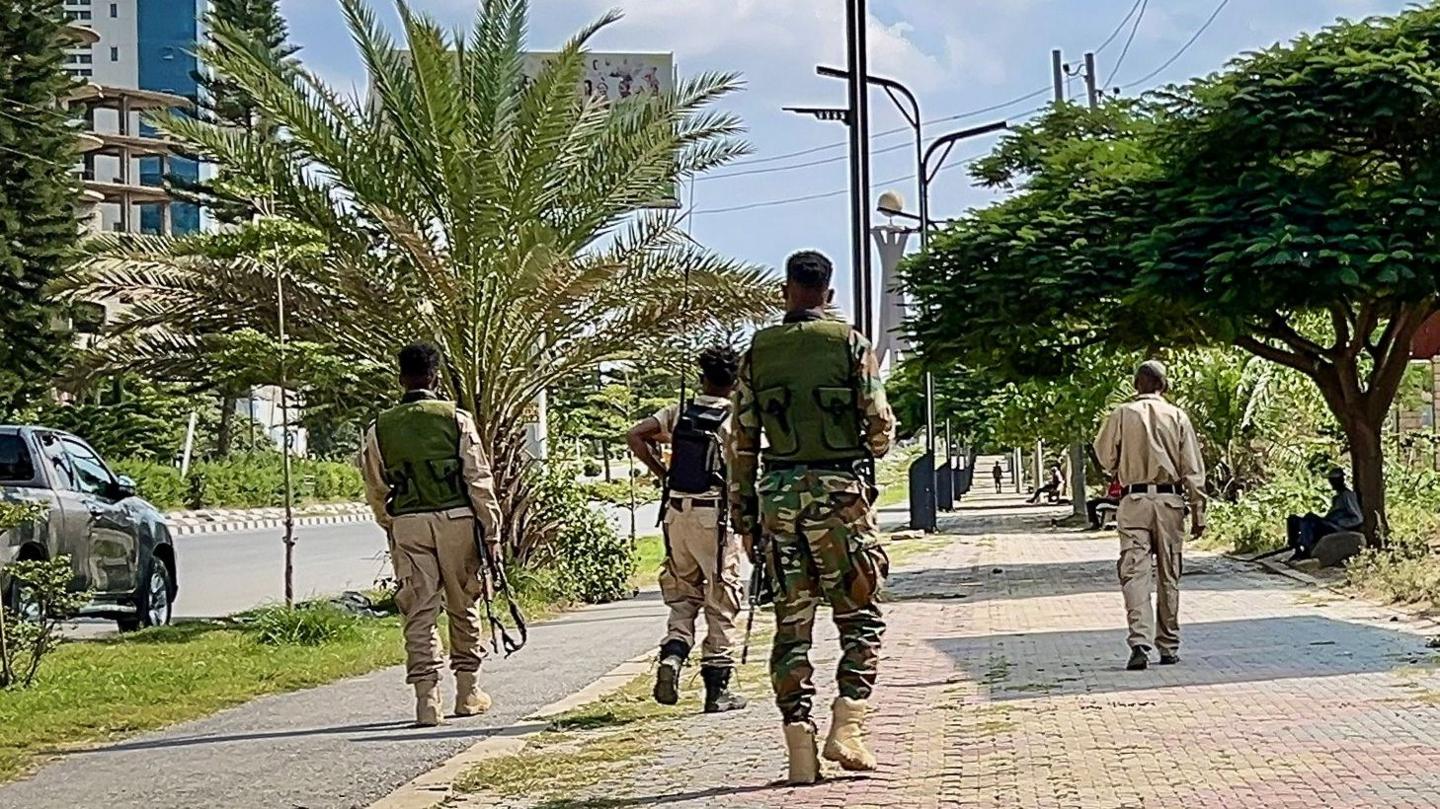
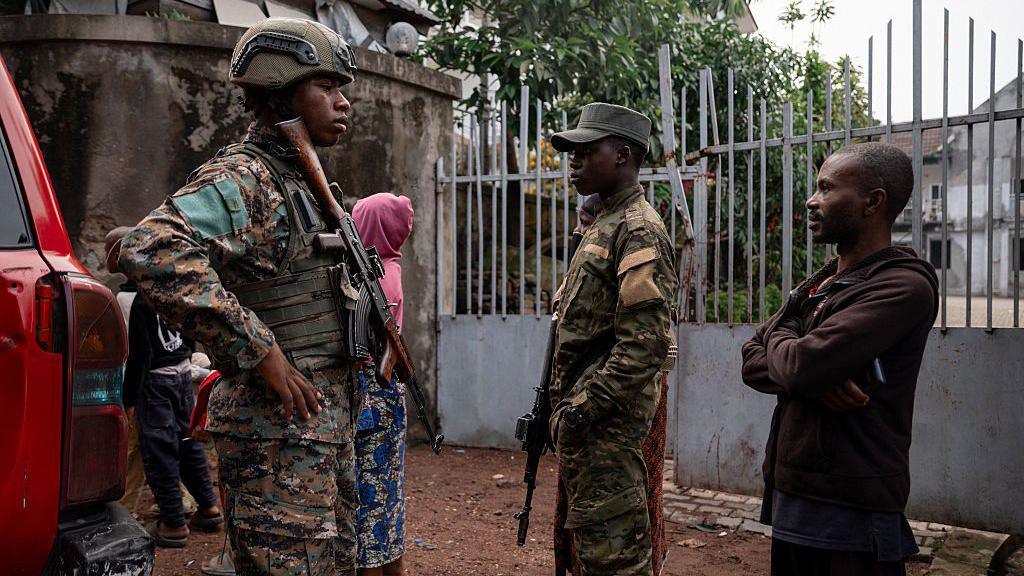
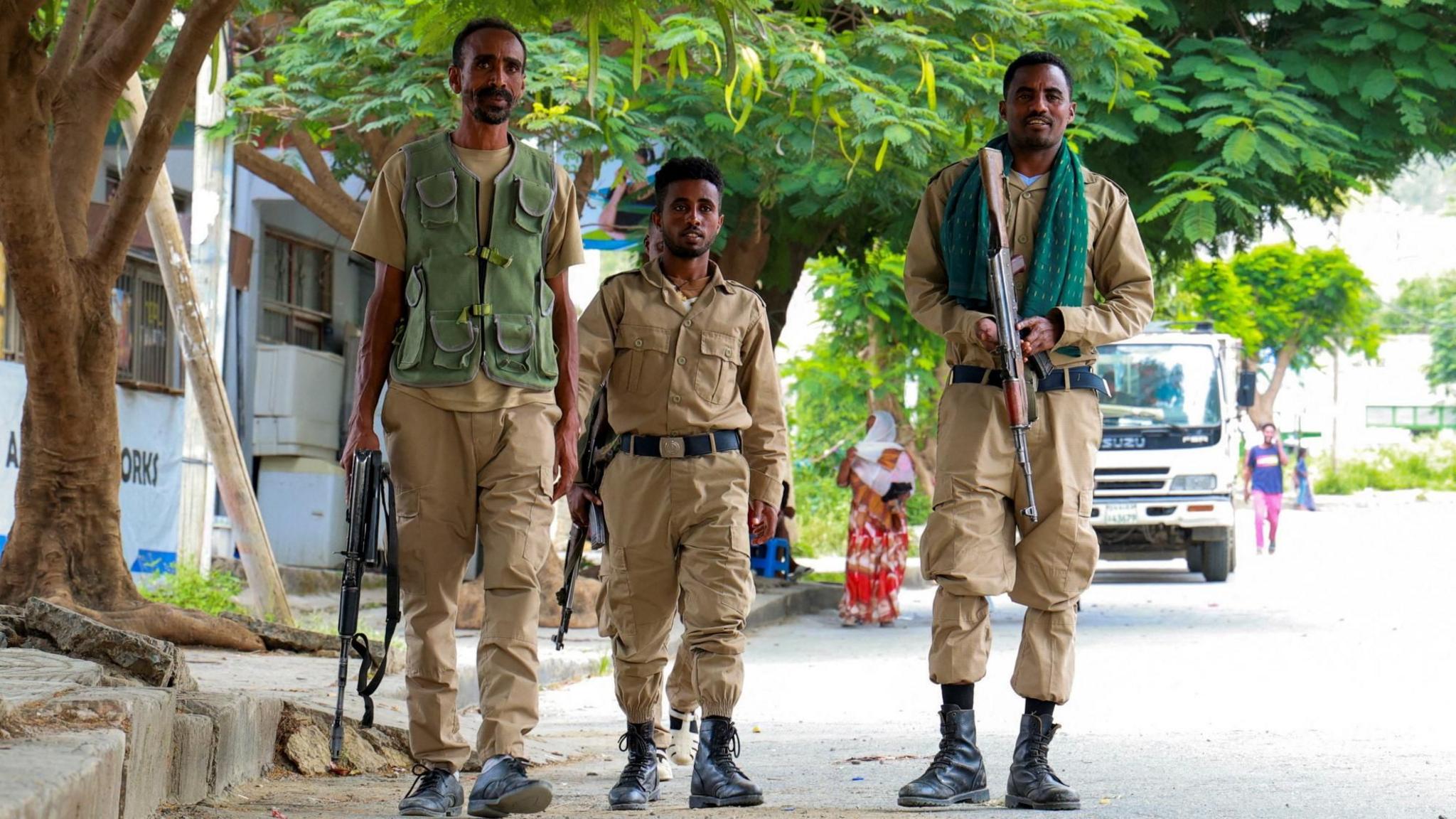
TPLF soldiers on patrol in Mekelle, Tigray, September 2026.