In brief
After a massive wave of student protests, the resignation of Education Minister Dharmendra Pradhan and swift actions by the government, activist Sonam Wangchuk argues that Modi feels the pressure. Wangchuk’s 26‑day fast in Delhi drew national attention and reignited the “Cockroach Janta Party” campaign that keeps demanding reforms. He stresses the need for exams that match job market realities and believes the youth now have confidence that answers can be found through non‑violent resistance. Despite the progress, he notes continued harassment of protestors by authorities.
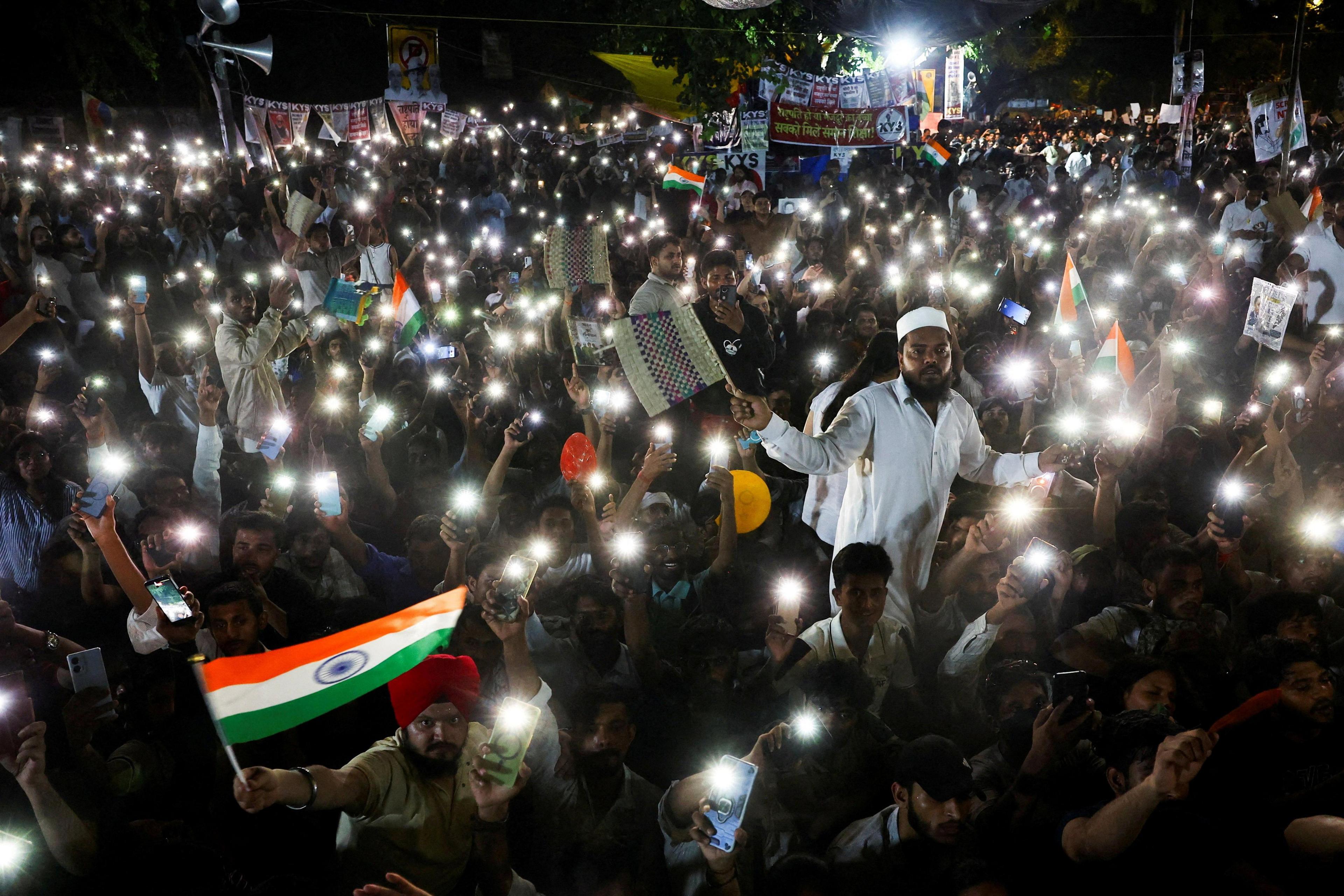
In a powerful interview with the BBC, 59‑year‑old engineer and education specialist Sonam Wangchuk describes how a wave of student demonstrations, coupled with his 26‑day hunger strike, has weakened Prime Minister Narendra Modi’s grip on power. The protests were sparked by the leak of exam papers in July, and rapidly grew into the biggest anti‑government pan‑India demonstrations in recent years.
Wangchuk says the atmosphere changed dramatically after the protests. “Young people now feel they can change things if they want to, he told the BBC. “We don’t have to take everything lying down.” He stresses that the movement has forced the government into action: Education Minister Dharmendra Pradhan resigned the day after the strike ended, fast‑track courts were announced for exam‑leak offences, and a tech billionaire was appointed to overhaul the exam system.
The bandh of the “Cockroach Janta Party” has also pushed the issue of graduate unemployment—hovering at 35‑40 % for the past 25 years—into the spotlight. Wangchuk argues that exams, which have little relevance to the job market, stifle innovation. He calls for reform so that schools can shift from multiple‑choice exams to hands‑on skills, helping students “not be left unemployed.”
Despite criticism that Indian government claims the unemployment crisis is overstated, Wangchuk insists that the youth‑led protests have inflicted real pressure on the ruling BJP. He points to recent by‑elections where the party lost two of three seats, even dropping a seat in Bihar that it had held for more than 30 years.
Wangchuk also warns that if the government ignores its calls, “students may return to protests that go beyond education.” He stresses the importance of listening to the people: “I believe in people realizing their mistakes and amending their ways.” Meanwhile, he remains hopeful, noting that in the last few days the government has made some progress to address the demands.
He reflects on the past, recalling hunger strikes for Ladakh self‑rule and against environmentally destructive projects. “Inflicting pain on ourselves makes the government feel differently than using sticks and stones,” he said. Asked if he plans to run for office, Wangchuk replied “No – I want to empower others to do so.”
While the movement continues, many protesters face court cases, police harassment and social media abuse—despite a Supreme Court directive that no coercive action may be taken against those without criminal records.