In brief
As the 40th anniversary of the classic charity song "Do They Know It's Christmas?" approaches, discussions surrounding its portrayal of Ethiopia and African nations intensify. Critics argue that the song perpetuates negative stereotypes despite raising essential funds, while artists like Ed Sheeran and Fuse ODG call for a reevaluation of how Africa is represented in aid initiatives.
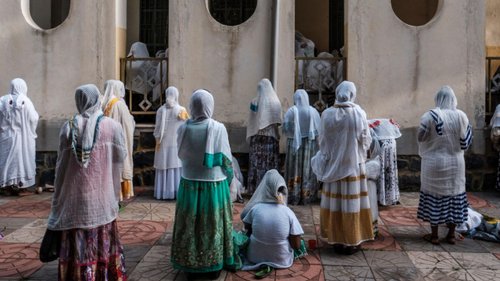
The 40th anniversary of Band Aid's iconic charity single, "Do They Know It’s Christmas?" is reigniting debates about its implications and the portrayal of Ethiopia. Originally recorded in 1984 in reaction to a devastating famine, the song brought together prominent British and Irish musicians to raise funds and awareness. However, critiques surrounding its narrative have grown louder over time, particularly regarding the lyrics that simplify Africa's complexities.Ethiopian officials from the past, like Dawit Giorgis, express frustration over the song’s representation of Ethiopia as a place desolate of hope and prosperity. "It was so untrue and so distorted," he stated, asserting that Ethiopia was a Christian nation long before the song's inception. Despite the song’s controversial message, Giorgis acknowledges the positive impact of the charity’s fundraising efforts, which provided lifesaving aid during the famine crisis.Bob Geldof and Midge Ure, the creative forces behind the original song, defended its intentions, claiming it saved numerous lives despite its polarizing reception. Geldof reiterated the song’s legitimacy, pointing out that it was a pop song meant to raise urgent support, not a documentary.Nevertheless, modern artists like Ed Sheeran have raised concerns about the implications of reusing old recordings. Sheeran expressed his discomfort with the earlier narratives perpetuated by the song, which fail to reflect the improved realities in some African nations. Similarly, British-Ghanaian rapper Fuse ODG criticized Band Aid for painting an overly bleak picture of Africa, highlighting that love, joy, and peace are often overlooked.The discourse surrounding imagery in charity campaigns is further complicated by the use of problematic representations of African people, often depicted as helpless victims in fundraising efforts. Research indicates that these portrayals can have lasting negative impacts on societal perceptions of African individuals and culture.Organizations like Bond, focused on charitable and humanitarian work, urge the need for a new narrative that empowers rather than diminishes dignity. They argue that Band Aid's approach reinforces outdated and harmful stereotypes.Academics and cultural critics suggest that charity efforts today must be led by African voices to ensure more accurate representations of the continent's diverse realities. They emphasize that it is essential for Africans to co-author their stories, moving away from the traditional savior narrative associated with Western-led initiatives.As discussions on ethics in charity fundraising continue to evolve, many insist that future efforts reflect a more nuanced, respectful understanding of Africa and its peoples. It remains to be seen how initiatives like Band Aid might adapt in response to this critical feedback, as they navigate the complexities of representation and charity in a modern context.