In brief
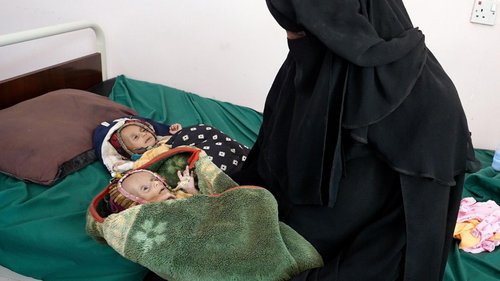
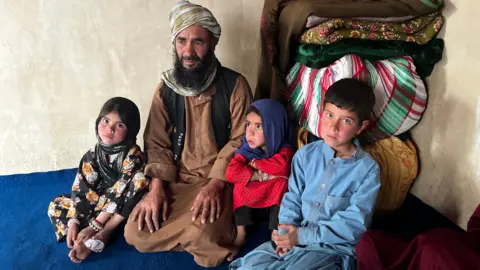
In an alarming report from Afghanistan, increasing poverty and lack of job opportunities have driven fathers to consider selling their daughters as a means of survival. With three in four people unable to meet basic needs and severe food shortages looming over families, the heartbreaking choice of sacrificing a child's future becomes a reality for many. The ongoing governmental restrictions and plummeting aid further exacerbate this crisis, pushing families to the brink of despair.
As dawn breaks, hundreds of men gather at a dusty square in Chaghcharan, the capital of Ghor province in Afghanistan. They line the roadside with weary faces, hoping someone will come along offering any work. It will determine whether their families eat that day, yet the likelihood of success is low. Juma Khan, 45, has found just three days of work in the past six weeks that paid between 150 to 200 Afghani ($2.35-$3.13). 'I live in fear that my children will die of hunger,' he says, echoing a sentiment that resonates deeply in this impoverished land. In Afghanistan today, a staggering three in four people cannot meet their basic needs due to rampant unemployment and dwindling aid, highlighting the extent of the crisis.Men like Abdul Rashid Azimi are weighing the unimaginable: he admitted to being prepared to sell one of his daughters to feed the others. 'I'm willing to sell my daughters,' he weeps, sharing the torment of a father caught in an impossible situation. 'If I sell one daughter, I could feed the rest of my children for at least four years.' This tragic reality is a reflection of a larger issue affecting Afghanistan, where extreme poverty has made it commonplace for families to face such heartbreaking choices. As conditions worsen, the desperation grows, leaving many fathers with no option but to sacrifice their children's futures in hopes of nurturing the rest.