In brief
In a bid to restore order after weeks of nationwide blockades, Bolivian President Rodrigo Paz has declared a state of emergency. The move grants him powers to clear roadblocks causing severe shortages of essentials. Congress must approve or reject the decree within 72 hours. While the government claims the unrest is an orchestrated attempt to destabilise, many protestors continue to demand fuel subsidies, the rollback of austerity measures, and Paz’s resignation.
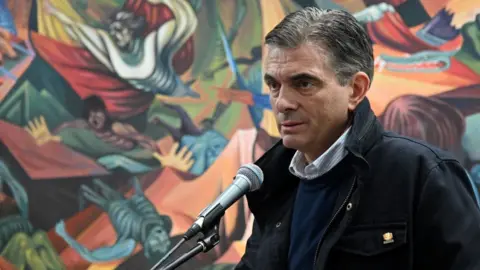
On Monday, Bolivia’s President Rodrigo Paz announced a state of emergency in response to weeks of road blockades and protests demanding his resignation. The move grants the president broader authority to clear blockades that have caused shortages of basic goods and suspended the functioning of large parts of the country.
Paz explained that the state of emergency would “free the country’s roads” and restore normalcy. Under Bolivian law, the declaration must be approved or rejected by Congress within 72 hours.
The blockades, led by miners, farmers and indigenous groups, stem from a land‑reform proposal that critics said favored large landowners. Though Paz later scrapped the reform, other grievances—including cuts to fuel subsidies, changes to the constitution and a perceived erosion of economic oversight—revived the protests.
Paz has dismissed the unrest as an organised attempt to destabilise the country and accused former president Evo Morales of orchestrating it, a claim Morales denied. He has also reshuffled his cabinet, cut salaries for himself and ministers, and set up a council to negotiate with dissatisfied sectors, but these measures have yet to quell the unrest.
The protests have seen several deaths and hundreds of arrests. While a recent deal was struck with the Bolivian Workers' Confederation, Indigenous groups say they will continue to protest and maintain roadblocks, and police presence remains high in major squares.