In brief
Goa's once-flourishing tourism scene is facing a significant decline in foreign visitors, whose numbers have nearly halved since 2017. As domestic tourism spikes, experts reveal challenges such as rising travel costs, lengthy visa processes, and increased competition from neighboring countries like Sri Lanka and Vietnam. Local authorities aim to revitalize the coastal paradise's appeal, but will it be enough?
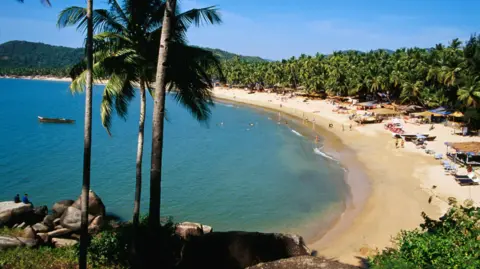
It is just past noon at the crescent-shaped Palolem beach on the southern tip of Goa's long, sandy coastline. The sun is blinding hot, but that has not deterred the tourist hordes from splashing about in the ocean.
The beachside shacks and cheap backpacker hotels hugging the bay in the state often dubbed India's party capital are full with tourists. However, what's significantly different from previous years is the absence of the Europeans and Russians who once thronged Palolem and other beach villages of Goa.
The crowd is predominantly local, highlighting the dwindling allure of this coastal gem among foreign tourists. In contrast, domestic visitors are increasingly flocking to the region, signaling a shift in appeal.
Official statistics underscore this troubling trend: nearly 900,000 foreigners visited Goa in 2017, but this figure plummeted to around half a million in 2025. Comprehensively, the number of domestic tourists surged from 6.8 million in 2016 to over 10 million last year.
Reasons for the decline include the global geopolitical situation impacting international travel, compounded by rising costs and inflation due to unforeseen factors like the ongoing conflict in Ukraine. Local tourism minister Rohan Khaunte emphasizes a mixed future outlook as they strategize to attract foreign visitors.
Moreover, factors such as cumbersome visa procedures, burgeoning flight costs, and increasing competition from cost-effective destinations like Vietnam and Sri Lanka have influenced choices heavily.
Many foreign tourists who spoke to BBC reported dissatisfaction with the sluggish visa application process and noted higher costs for air travel as significant deterrents. Some have opted for closer, more affordable options like Turkey and Egypt, affecting Goa's traditional tourist demographic.
Infrastructural issues such as high taxi fares and littered roads have also tarnished the image of Goa, pushing tourists toward alternative destinations that offer more convenience and cleaner environments.
As the competition intensifies, local stakeholders express concern over fading international attractiveness. Tour operators and business owners seek new strategies—including international marketing initiatives—to reinvigorate Goa's appeal to global travelers.
With burgeoning awareness of the obstacles, the state is making concerted efforts to address sanitation issues and promote tourism to a broader audience, particularly beyond the European market. However, it remains to be seen if these actions will resonate with foreign travelers weary of navigating higher costs and unfavorable conditions. The long-term health of Goa's tourism economy hinges on its ability to adapt amidst rapidly evolving tourism trends.