In brief
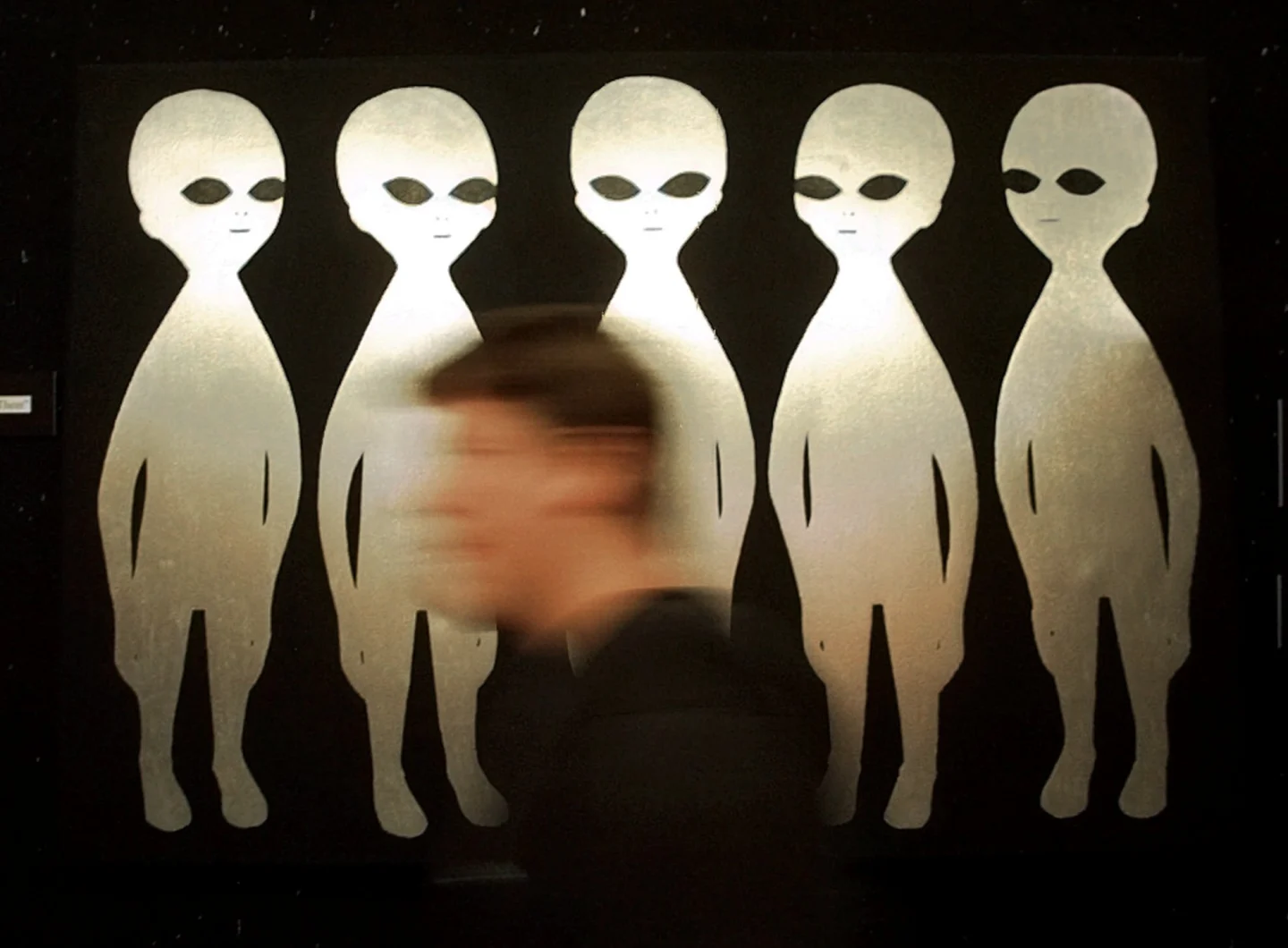
Many ponder what alien life forms might think of Earth and its inhabitants. Notable scientists, including Avi Loeb from Harvard, express disappointment over human conflicts and wars, particularly referencing recent global strife like the Ukraine situation. Amidst rising interest in UFOs, especially after a wave of disclosures, Americans share mixed feelings, reflecting cultural narratives of aggression and curiosity as they look to the stars for intelligent life. Recent surveys show a majority believe in extraterrestrial existence, suggesting humanity's desire for companionship in the vast universe.
For generations, humans have reflected on the potential nature of alien life; however, a more pressing query arises: How would extraterrestrial beings assess humanity?
Theoretical physicist Avi Loeb suggests any alien observers might be disheartened. Most of our investment is in conflicts, whether to prevent violence or perpetuate it. Recent wars, like that in Ukraine, are far from signs of intelligence, he claims.
The conversation surrounding UFOs and alien life has intensified, especially following comments by former President Barack Obama and subsequent disclosures about government documents related to unidentified aerial phenomena.
As NASA’s Artemis II mission aims to reach the moon again, the possibility of greater understanding and discovery looms over humanity’s fascination with the cosmos.
Public sentiment reflects this intrigue. According to a Pew Research Center survey, around two-thirds of Americans believe intelligent life exists elsewhere in the universe, and half see military UFO sightings as evidence of such life.
According to Bill Diamond from the SETI Institute: Humanity’s quest for understanding indicates we yearn not to be alone in this vast universe. Amid conflicts and struggles on Earth, reflections on extraterrestrial perspectives raise deeper questions about humanity's own nature.
Experts like retired Rear Adm. Timothy Gallaudet have expressed concern over the government's withholding of information regarding UAPs, emphasizing the need to prioritize truth-seeking in matters of national security and transparency.
As debates and discussions continue, scientists assert that if life does traverse the cosmos and chose to visit Earth, they might find humanity’s historical and ongoing conflicts puzzling, perhaps even amusing.