In brief
A US-funded hepatitis B vaccine trial set to involve 14,000 newborns in Guinea-Bissau has been suspended after significant backlash and condemnation from the World Health Organization (WHO), which highlighted ethical concerns over the study's design. The trial aimed to determine the impact of delayed vaccinations on newborn health but faced accusations of putting infants at risk. The WHO emphasized the importance of vaccination at birth to prevent hepatitis B transmission from mother to child.
A now-halted plan to run a hepatitis B vaccine trial involving thousands of newborns in Guinea-Bissau has been criticized by the World Health Organization as unethical.
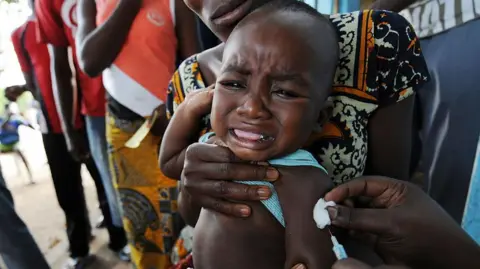
The US-funded study had sought to give one set of babies the vaccine at birth, while another would have had the shot delayed until six weeks of age.
The WHO said it had significant concerns about the plan, describing the birth-dose vaccine as an effective and essential public health intervention, with a proven record.
The US health department, led by Robert F Kennedy Jr, who has questioned vaccine effects, intended to utilize the trial to explore the jab's broader health impacts.
The WHO expressed doubts regarding the scientific justification, ethical safeguards, and consistency with established research standards. Giving some newborns a proven life-saving intervention while withholding it from others exposes them to potentially irreversible harm.
The organization reiterated that the vaccine has been used effectively for over three decades in more than 115 countries.
Currently, a significant portion of Guinea-Bissau's population is estimated to be infected with hepatitis B, and WHO states that vaccination at birth can prevent mother-to-baby transmission in 70-95% of cases.
The WHO asserts that only when no proven treatment exists can trials that administer placebos or withhold treatment be deemed acceptable, which is not the case with the hepatitis B birth dose vaccine.
The recommended practice is for all newborns to receive the hepatitis B vaccine within 24 hours of birth. Currently, the vaccine is administered at six weeks in Guinea-Bissau, with plans to introduce nationwide birth doses by 2028.
Approximately 14,000 babies were set to participate in the US-funded study led by Danish researchers.
However, public outrage prompted the Guinea-Bissau government to suspend the trial last month.
'We are not guinea pigs'
Critics have questioned the ethics of proposing such a trial in Guinea-Bissau, with former health minister Magda Robalo stating, It's not acceptable and it should not go on. Guinea-Bissauans are not guinea pigs.
Just two months ago, a US panel ceased recommending that all newborns receive the hepatitis B vaccine, reflecting a shift in health policy under Secretary Kennedy, who had recently replaced members of the Advisory Committee on Immunization Practices.
Kennedy has denied being against vaccinations but has made claims about vaccine harms that have been widely debunked.
Resistance has come from various corners, particularly given that over 12% of the adult population in Guinea-Bissau is estimated to have chronic hepatitis B, with reports suggesting it could be as high as 20%.
While many individuals with the virus may not exhibit symptoms, others can suffer from significant health issues, including jaundice, fatigue, and abdominal pain, leading to a higher risk of cirrhosis and liver cancer.
The international community continues to express a strong interest in ensuring that public health interventions prioritize the safety and welfare of vulnerable populations.