In brief
After a year since President Trump announced the decision, the U.S. has formally exited the WHO, leaving a debt of approximately $280 million. Experts predict that this withdrawal may hinder global health initiatives, including pandemic preparedness and vaccination development. Critics have called the decision shortsighted and potentially damaging.
NEW YORK (FlashPoint) — The U.S. has finalized its departure from the World Health Organization, marking one year since President Trump initiated the withdrawal of the nation from the global health organization, established 78 years ago.
However, this withdrawal is not without complications.
Currently, the United States owes about $280 million to the WHO. Officials from the Trump administration recognize that various matters remain unresolved, such as losing access to critical global health data vital for early pandemic alerts.
Lawrence Gostin, a public health law expert, has indicated that this decision will severely undermine the global response to potential outbreaks and could undermine U.S. capabilities in developing vaccines and medications against emerging health threats, labeling it the most ruinous presidential decision in my lifetime.
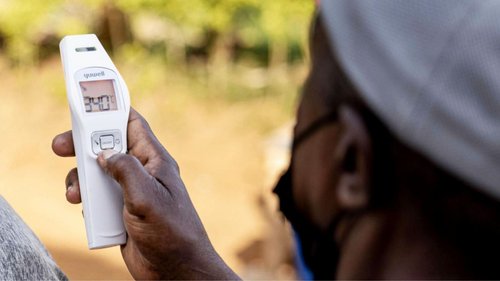
The WHO, under the United Nations, plays a vital role in coordinating global health initiatives and is responsible for responding to threats like mpox, Ebola, and polio, alongside supporting healthcare delivery in lower-income countries.
Historically, the U.S. has been one of the largest financial contributors to the WHO, averaging about $111 million annually in dues and around $570 million in voluntary contributions, according to the Department of Health and Human Services.
In justifying the withdrawal, the Trump administration criticized the WHO for its handling of the COVID-19 pandemic and for perceived failures to reform and maintain independence from political influence.
Many public health experts warn that this exit from the WHO could significantly hamper efforts aimed at eradicating polio and improving maternal and child health programs. Dr. Ronald Nahass described the withdrawal as shortsighted and misguided.
Moreover, this withdrawal halts U.S. participation in WHO-related committees and governance structures, affecting decisions related to flu strains and vaccine updates.
Though the Trump administration has stated it is establishing direct health data-sharing agreements with various nations, experts doubt the feasibility and effectiveness of such arrangements without the WHO's coordination.
Legally, the United States is required to provide notice one year in advance of its withdrawal and to settle any outstanding financial obligations. Yet, Trump officials claim there is no payment obligation prior to the withdrawal.
The complexity surrounding this withdrawal underlies significant risks for public health initiatives and the collective international response to future health crises.