In brief
Cahokia Heights, a predominantly Black city in Illinois, is grappling with chronic flooding issues that lead to sewage backups in homes, threatening public health and safety. Despite the promise of federal funds from the Bipartisan Infrastructure Law, many projects to improve infrastructure in underserved communities have been canceled under the Trump administration. Advocates highlight the need for financial support to address these pressing issues, which disproportionately affect minority communities.
CAHOKIA HEIGHTS, Ill. (AP) — Yvette Lyles thought of the modest brick ranch home as a Christmas present for her family. It was close to a state park where she and her kids could picnic, fish, and enjoy the outdoors—a place to make memories.
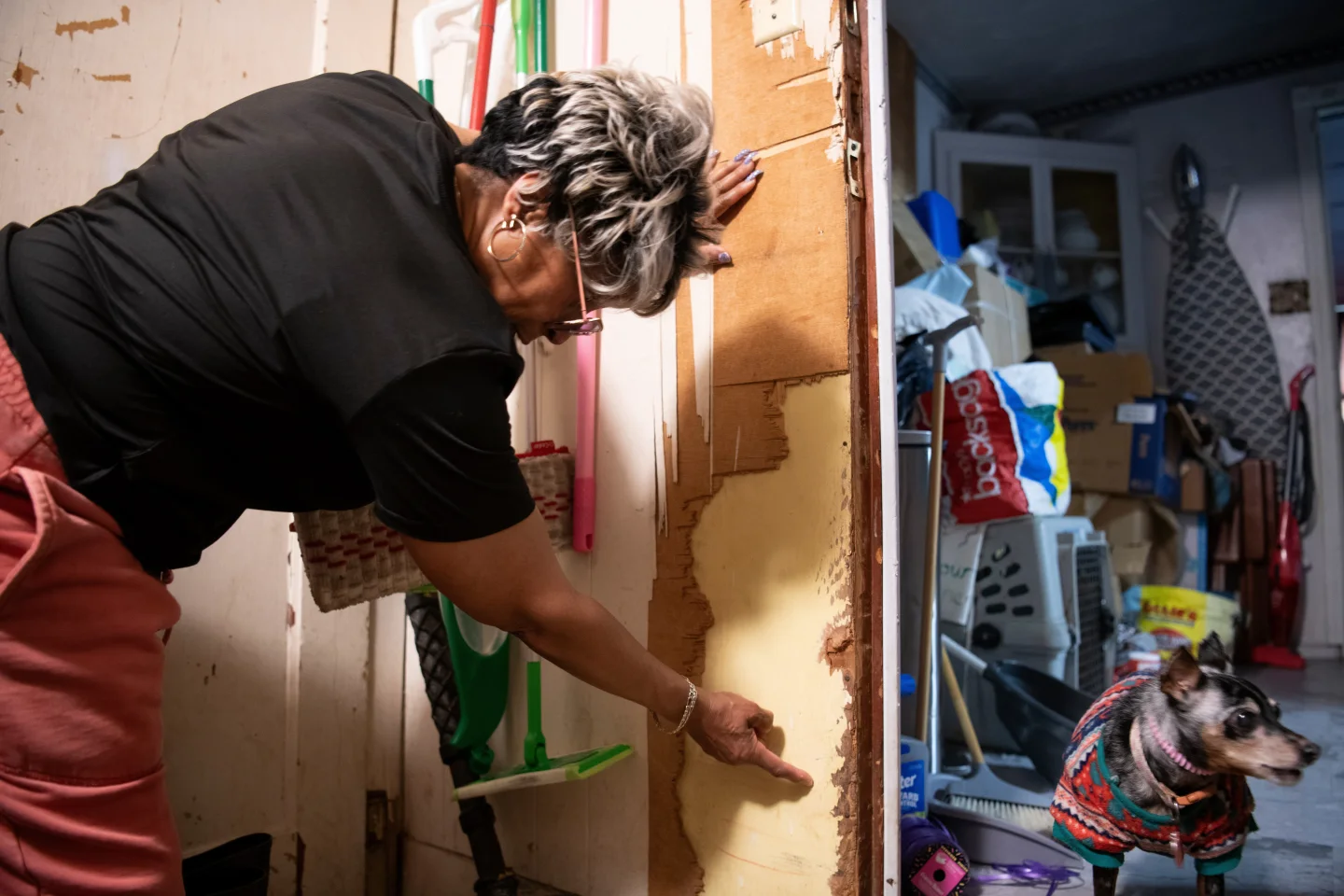
However, Lyles soon discovered her southern Illinois community faced a significant issue: recurring floods from heavy rains that sent untreated sewage into streets, yards, and homes, buckling floors, cracking walls, and ruining belongings. During the first incident after they moved in, her family was trapped inside for days.
“I had to turn my back so my children wouldn’t see me cry,” Lyles reflected.
Cahokia Heights, a city largely inhabited by Black residents, with about one-third living in poverty, shares its plight with many communities nationwide that struggle with aging and crumbling wastewater systems. Exposure to untreated sewage, which can flood into homes or back up through plumbing, poses severe health risks. Areas like Cahokia Heights often lack the resources or expertise to manage these issues effectively.
The Trump administration's elimination of the Environmental Protection Agency’s Environmental Justice office and slashing of infrastructure funds for underserved communities have only worsened the crisis. While the previous administration promised significant funding through the Bipartisan Infrastructure Law, many grants aimed at alleviating infrastructure burdens in communities like Cahokia Heights are now threatened or have been revoked entirely.
As the Biden administration invested nearly $50 billion in funding for state revolving loan programs to address these critical infrastructure needs, cuts to essential programs and grants under the Trump administration have hampered efforts to resolve the severe flooding endemic to areas struggling with poverty and inadequate infrastructure. In fact, a $20 million grant to improve sewer lines in Thomasville, Georgia, was canceled, while the Trump administration’s reductions left many communities in dire need without the necessary support.
With the looming issue of flooding and sewage exposure, community leaders and advocates stress that these infrastructure problems are not just about the lack of physical systems; they are directly linked to the health, dignity, and overall well-being of the individuals affected.
For residents like Patricia Johnson in Cahokia Heights, the consequences are dire. Sewage backups in her home's plumbing have escalated, making everyday life a struggle amidst an already deteriorating urban environment. Johnson's experience is emblematic of the urgent need for meaningful interventions in historically neglected communities.
As the community battles these overwhelming challenges, local leaders are working to engage federal support while striving to overcome the historical obstacles presented by divided political priorities regarding infrastructure funding and surrounding issues of justice and equality.
Despite federal funding at stake, fears loom large that without substantial support and renewed federal commitment, communities will continue to face dire sanitary and health risks that have long been neglected.