In brief
While air pollution in India, particularly in Delhi, is a pressing issue covered in public discourse, it remains largely absent from mainstream films and literature. Critics argue that this represents a significant gap in storytelling, with many works focusing on environmental issues but failing to dramatize air quality's urgent impact. Films like "All That Breathes" and new narratives are slowly emerging, yet challenges persist in making the environmental crisis a relatable theme in popular culture.
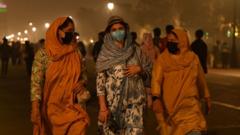
India's plight of air pollution, particularly evident in the capital, Delhi, is becoming a public concern and political debate, yet it is alarmingly underrepresented in popular culture. The Bollywood film "Pink," released in 2016, subtly acknowledged this pressing issue through a scene with Amitabh Bachchan's character wearing a mask amid Delhi's smog, but such explicit environmental themes are few and far between in Indian cinema.Siddharth Singh, author of "The Great Smog of India," criticizes the lack of literary and filmic representation surrounding this critical issue, observing that discussions of PM2.5 or NOx mean little to the average citizen. He believes that the narratives surrounding pollution should permeate more deeply into Indian literature and filmmaking.Amitav Ghosh, an author known for tackling climate change themes, echoed similar sentiments. He noted how societal indifference to climate change makes the conditions feel alarmingly normal, suggesting a disconnect that makes it challenging to portray pollution effectively. In "The Great Derangement," Ghosh remarked on the lack of dramatic representations, saying pollution’s gradual violence does not evoke the same urgency as natural disasters.Nevertheless, concepts related to pollution and climate crises are not entirely absent from cinema. Shaunak Sen’s documentary "All That Breathes," which was nominated for an Oscar in 2022, tackles air quality through the story of two brothers treating injured black kites in polluted skies. Sen believes that climate change impacts everything around us, asserting that storytelling should robustly represent such connections.Renowned filmmaker Nila Madhab Panda, who has authored over 70 films on environmental themes, advocates for storytelling that reaches wider audiences. Panda's works, including a courtroom drama about a couple divorcing over pollution-induced disagreements, demonstrate an innovative approach to weaving climate issues into engaging narratives. Singh, reflecting on India’s air crisis, shares the difficulty of humanizing the statistics. The challenge in art and literature remains to portray people's stories affected by pollution, as multiple voices have yet to be featured in popular narratives.While some regional literature has taken on environmental themes, contemporary English writers have also contributed with works addressing our relationship with the natural world. However, the storytelling gap continues as creators, often insulated by privilege, miss the everyday narratives of individuals living in polluted areas.In the digital age, social media memes and graphics have emerged as a poignant form of commentary on pollution, capturing attention in ways traditional mediums may not. Ultimately, the potential for popular culture to galvanize action on air quality remains untapped, with the hope that fresh storytelling will spur a broader societal response to address this pressing global crisis.