In brief
King Charles III opened his nine‑day Caribbean trip in the Bahamas, acknowledging the deep wounds of slavery and calling for apologies and reparations. He met Bahamian leaders, addressed a youth rally, and highlighted the islands’ vulnerability to climate change. Amid protests demanding compensation, the King pledged to reflect on the colonial past throughout his visits to the Bahamas, Guyana and Antigua & Barbuda. The tour culminates at the Commonwealth Heads of Government Meeting, where discussions on the region’s slave‑trade legacy are set to intensify. Social media buzz, protestors, and royal words frame a controversial yet pivotal chapter in the monarchy’s Caribbean engagement.
King Charles III has launched his nine‑day Caribbean tour in Nassau, the Bahamas, where, in front of a crowd of thousands, he acknowledged the "great suffering of the past" and called for Britain to apologise for its role in the slave trade.
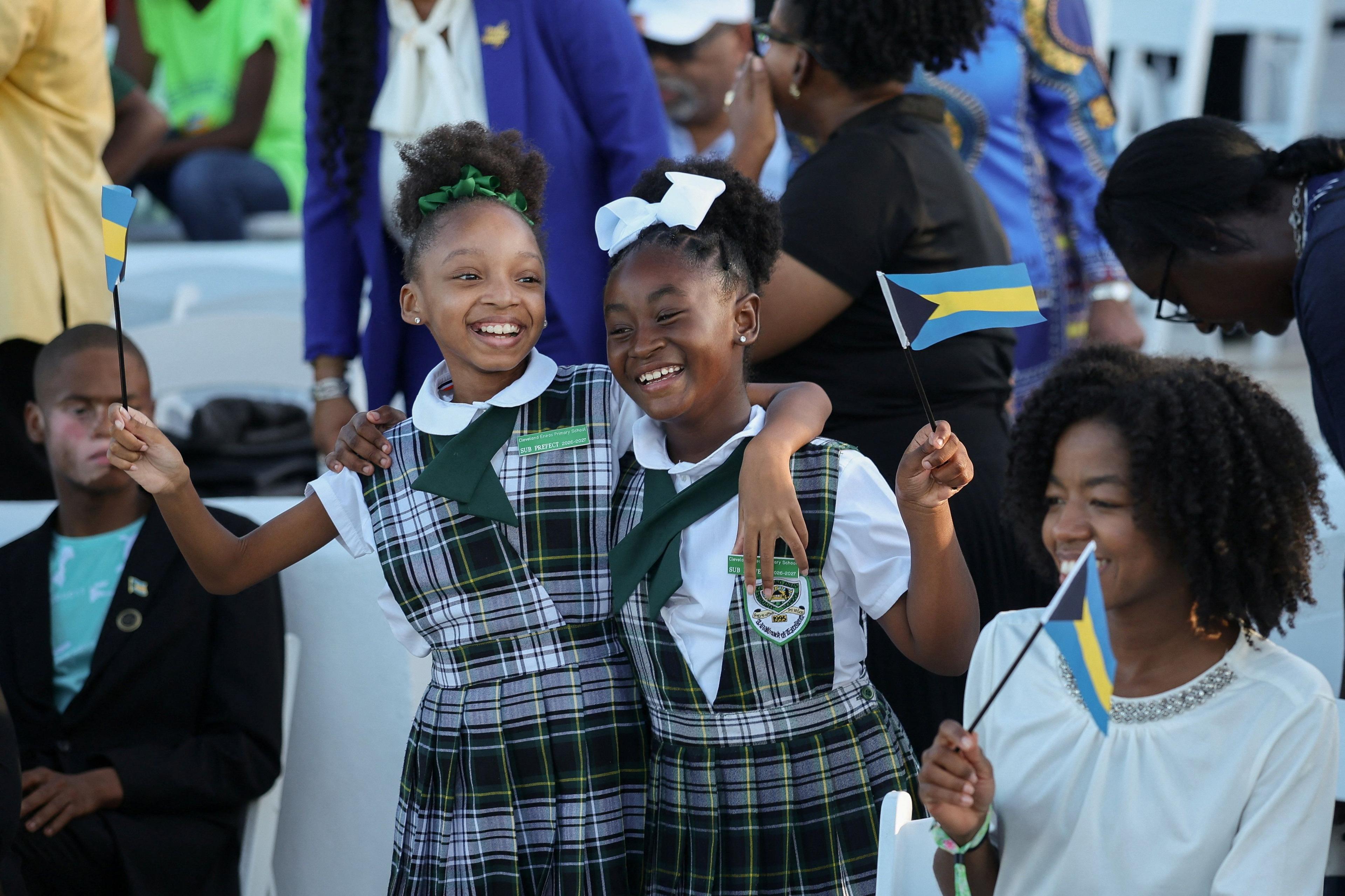
The King addressed a youth rally that celebrated local youth culture and independence, noting that the Bahamas’ culture has been shaped by a dark history. He said the country is "born out of darkness" and that it is "only right" to recognise past injustices. Protestors, numbering around a dozen, gathered outside the venue chanting for reparations and the return of stolen artefacts.
The visit is tied to a broader plan to risk a dialogue on the colonial legacy throughout his itinerary. The tour will include visits to memorials and places of remembrance in the Bahamas, Guyana and Antigua & Barbuda before the Commonwealth Heads of Government Meeting (CHOGM). The summit will bring together leaders of 56 Commonwealth countries to address shared challenges and advance cooperation.
During his speech in Nassau, the King also reaffirmed Britain’s 50‑year effort to combat climate change, urging young people to "take up the sacred task to play your part" in protecting the planet. He highlighted the precarious future for low‑lying Caribbean islands threatened by rising sea levels and extreme weather.
The King’s programme emphasises both the acknowledgement of a painful past and the creation of new partnerships for the future. While he will not offer an apology or reparations for slavery, the monarchy is expected to shine light on contemporary collaboration that can transform the region in the years ahead.